A contemporary fireplace is designed for today’s lifestyles. It accompanies open-plan spaces, more fluid interiors and more varied uses. While the modern fireplace refers to a specific twentieth-century design movement, the contemporary fireplace responds first and foremost to the codes of contemporary living: clean lines, integration within the space, choice of energy and technical coherence of the project.

 BATHYSCAFOCUS wood porthole Central suspended pivoting stove
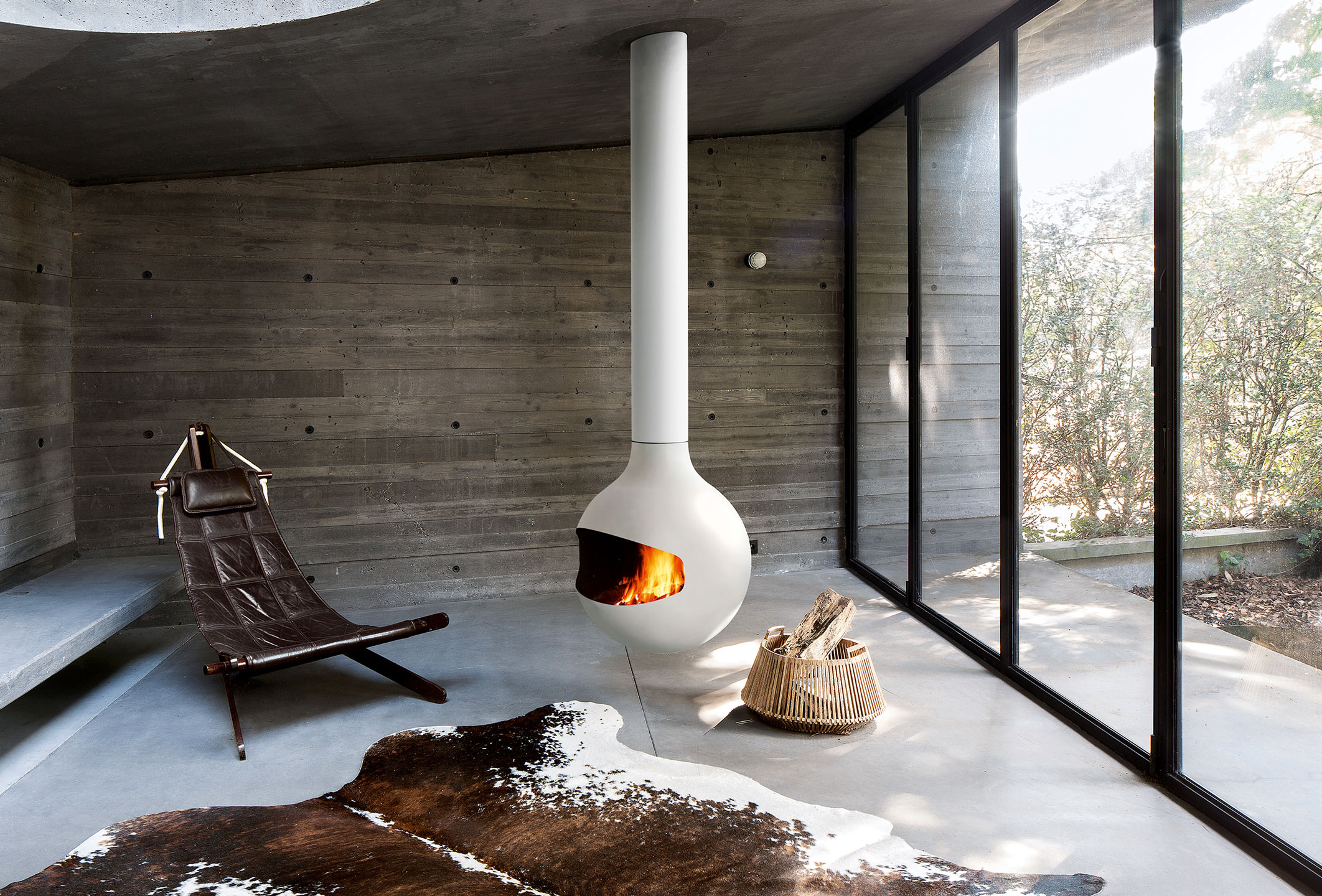 BATHYSCAFOCUS WOOD Central suspended pivoting model
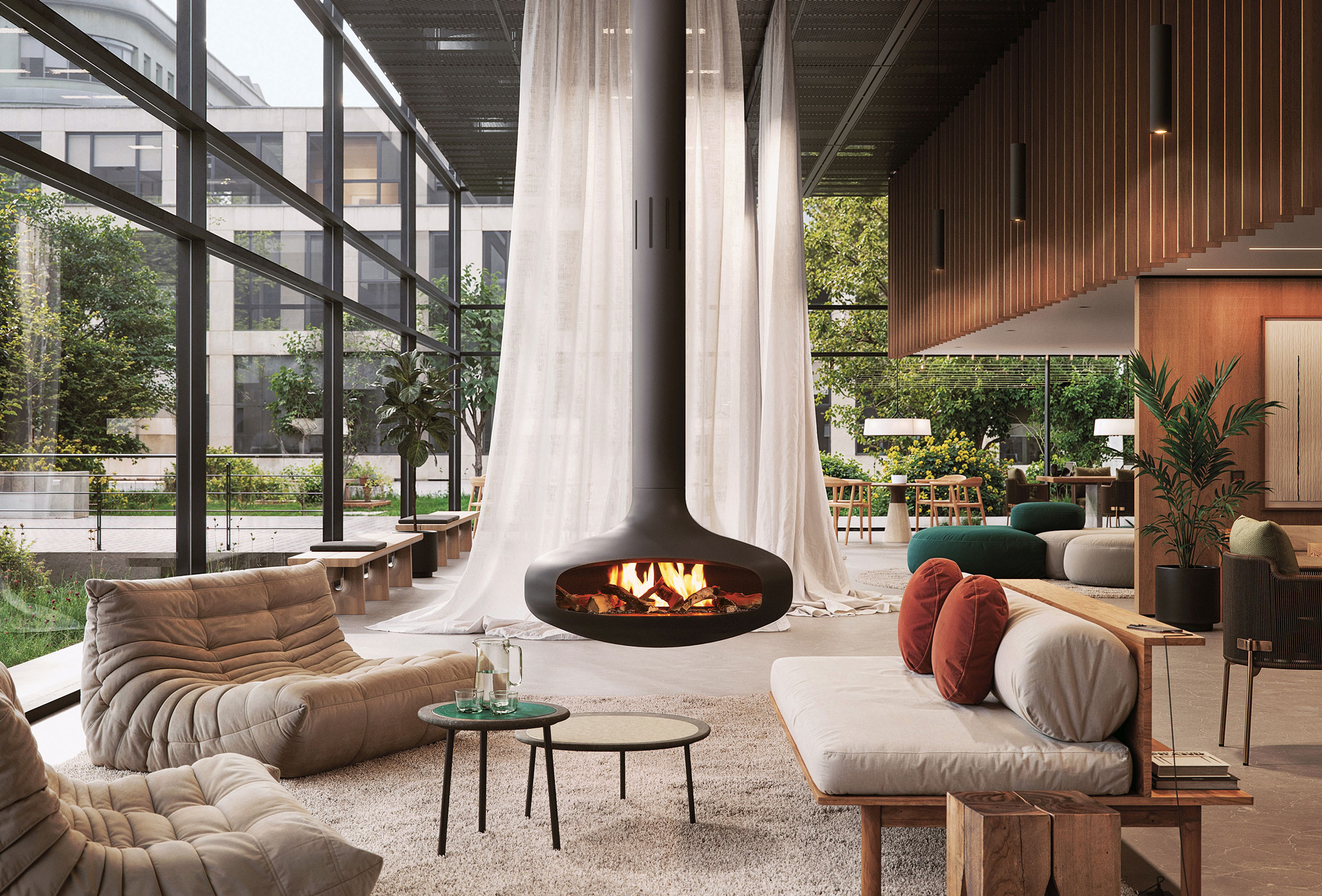
 Domofocus bioethanol Central suspended pivoting model
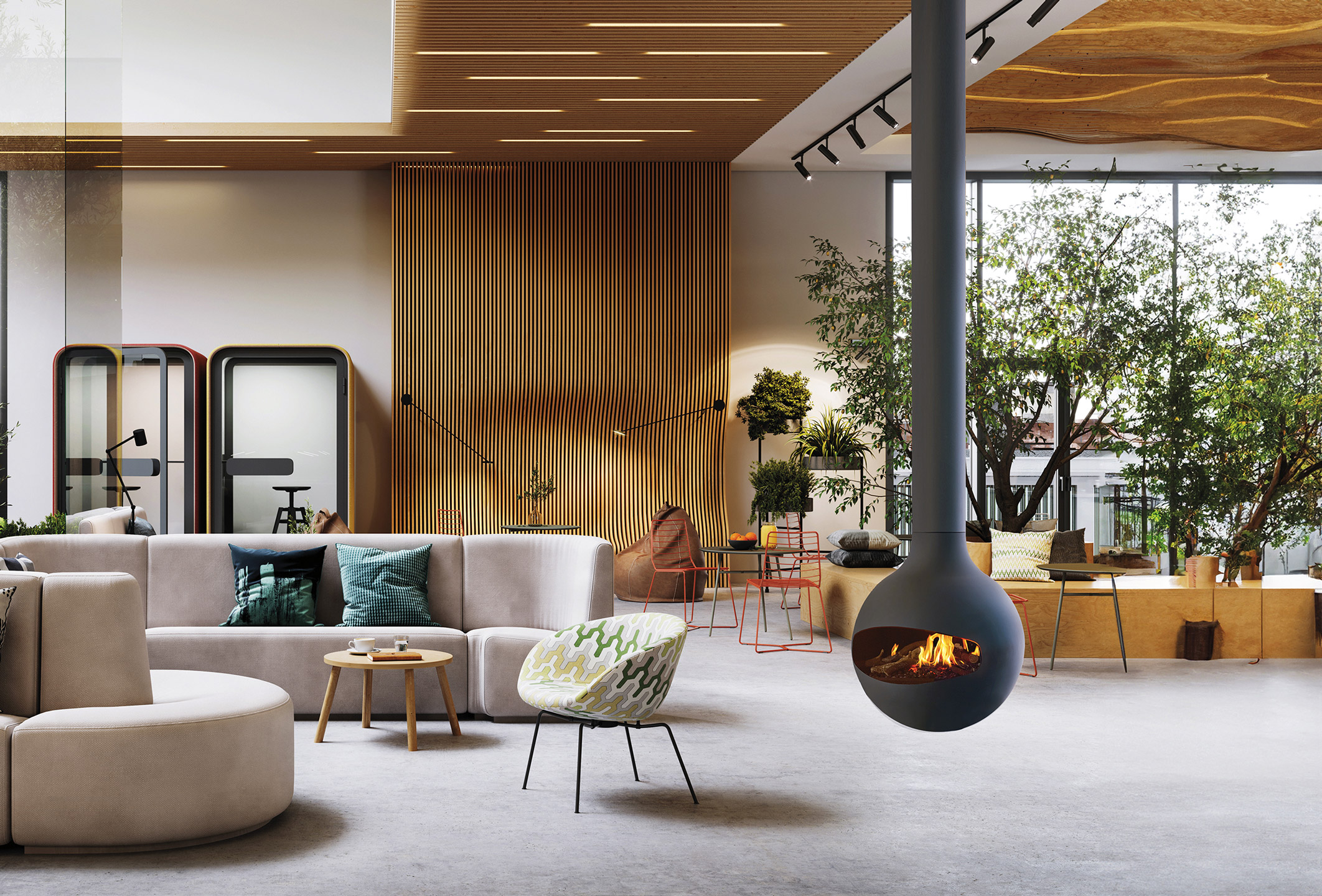
 Bathyscafocus Holographik® Central suspended pivoting model

 BATHYSCAFOCUS GAS Central model on a base
 MEIJIFOCUS GAS Central model on a base
 Gyrofocus Gaz Central suspended pivoting model
 FILIOFOCUS 1600 GAS Central model on a base
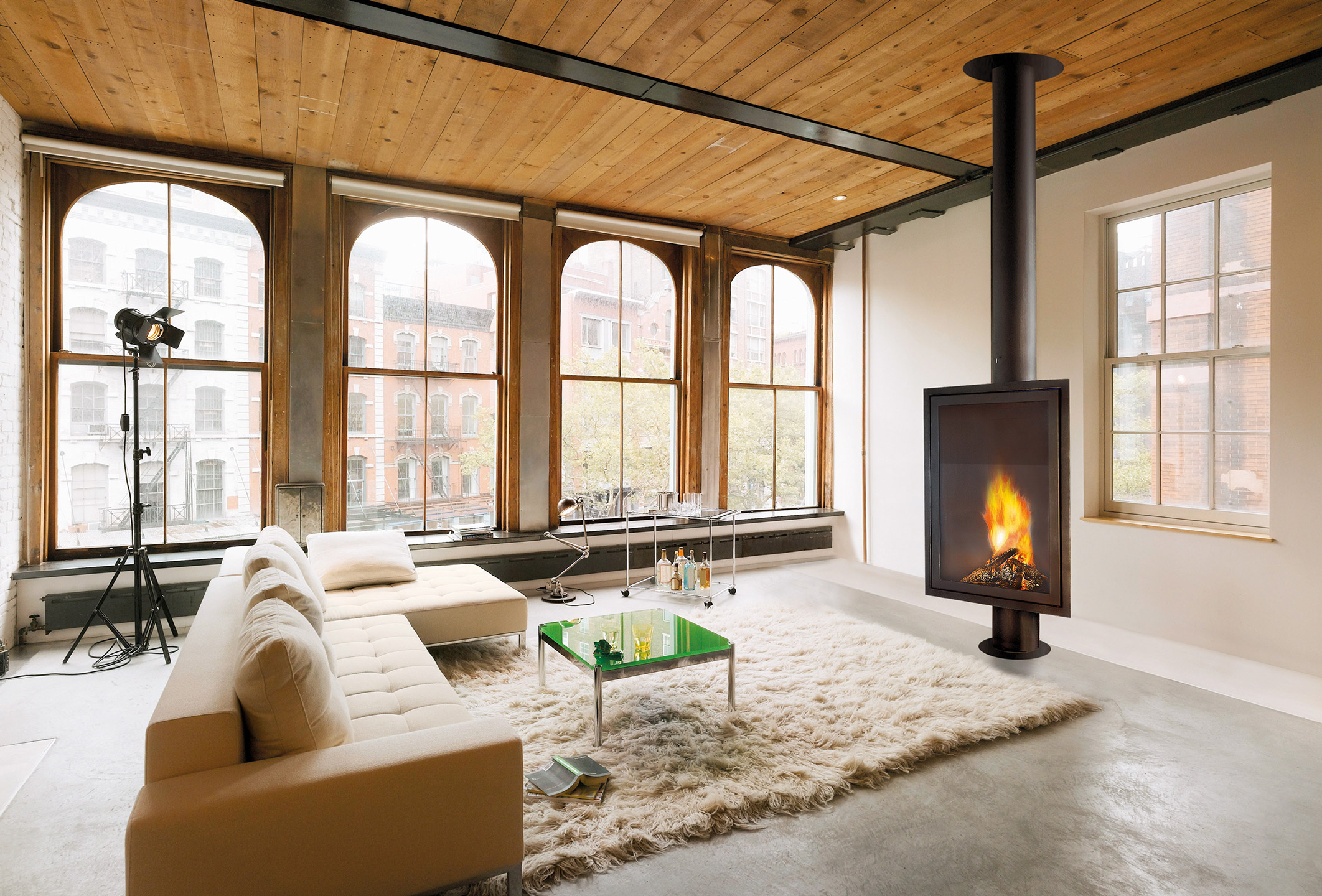 EUROFOCUS WOOD Central stove on a base
 Boafocus gas Central stove on a base
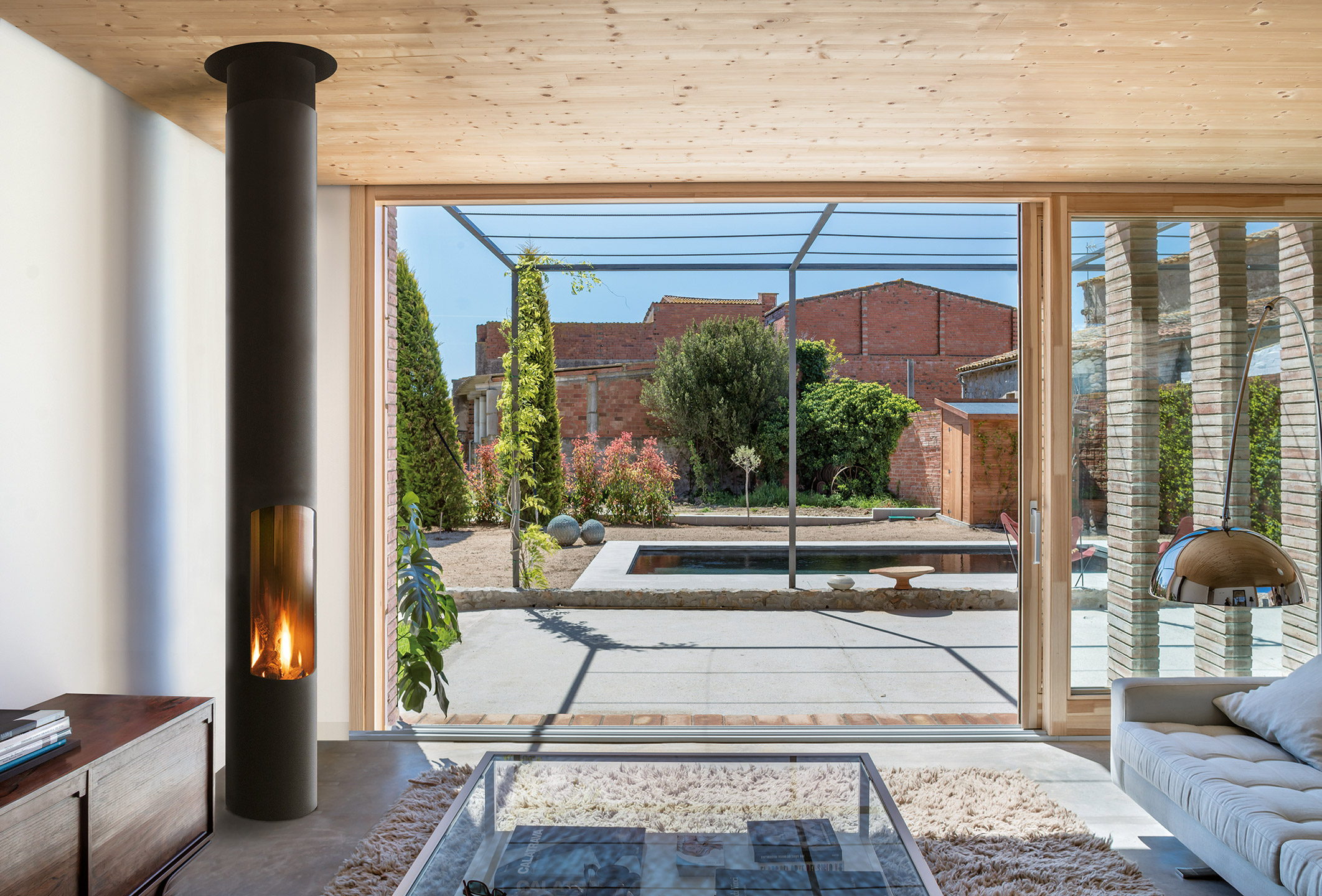 SLIMFOCUS WOOD ON BASE Central stove on a base
 ERGOFOCUS HOLOGRAPHIK® Central suspended pivoting model
 MAGMAFOCUS GAS Central model on a base
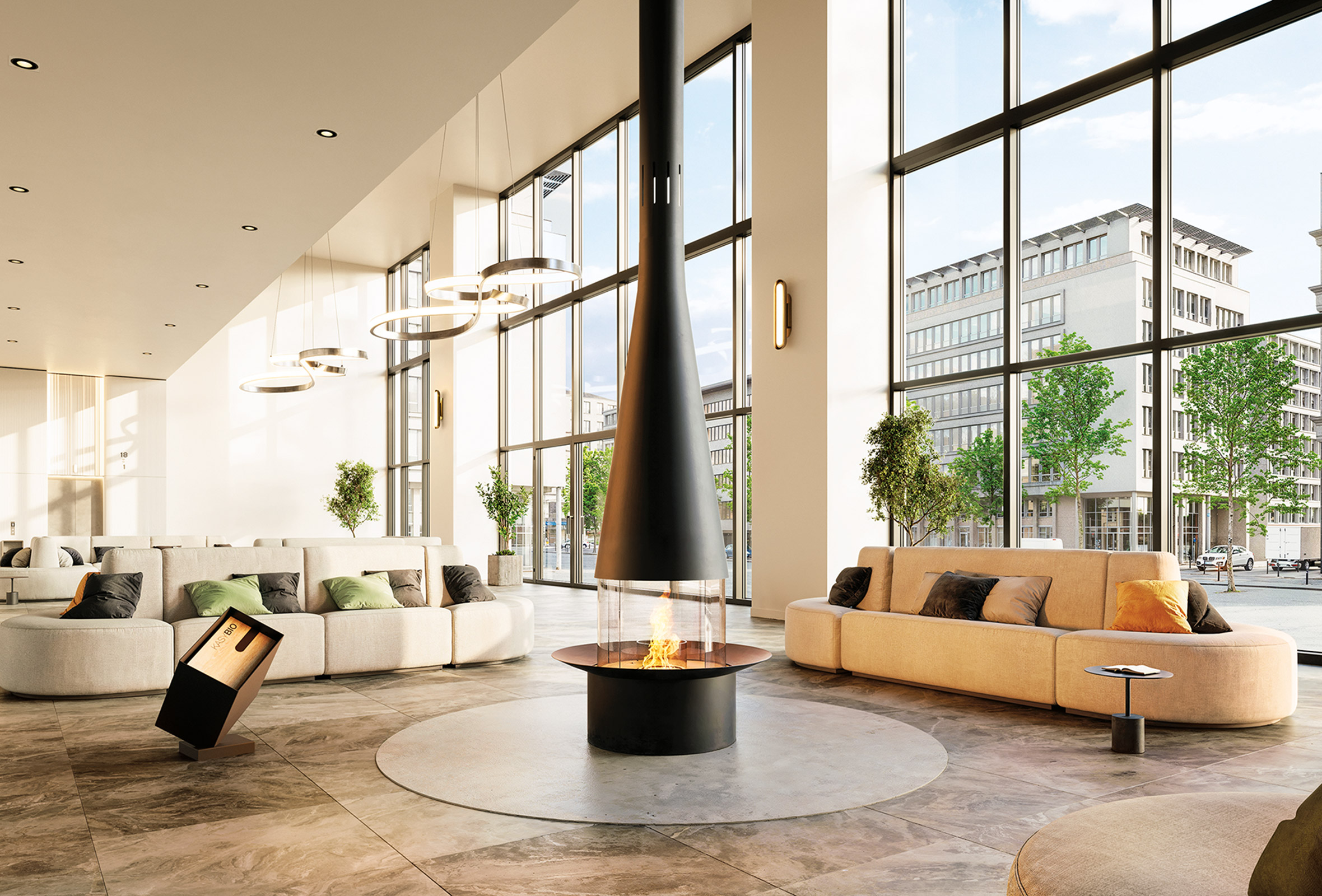 Filiofocus 1600 bioethanol Central model on a base
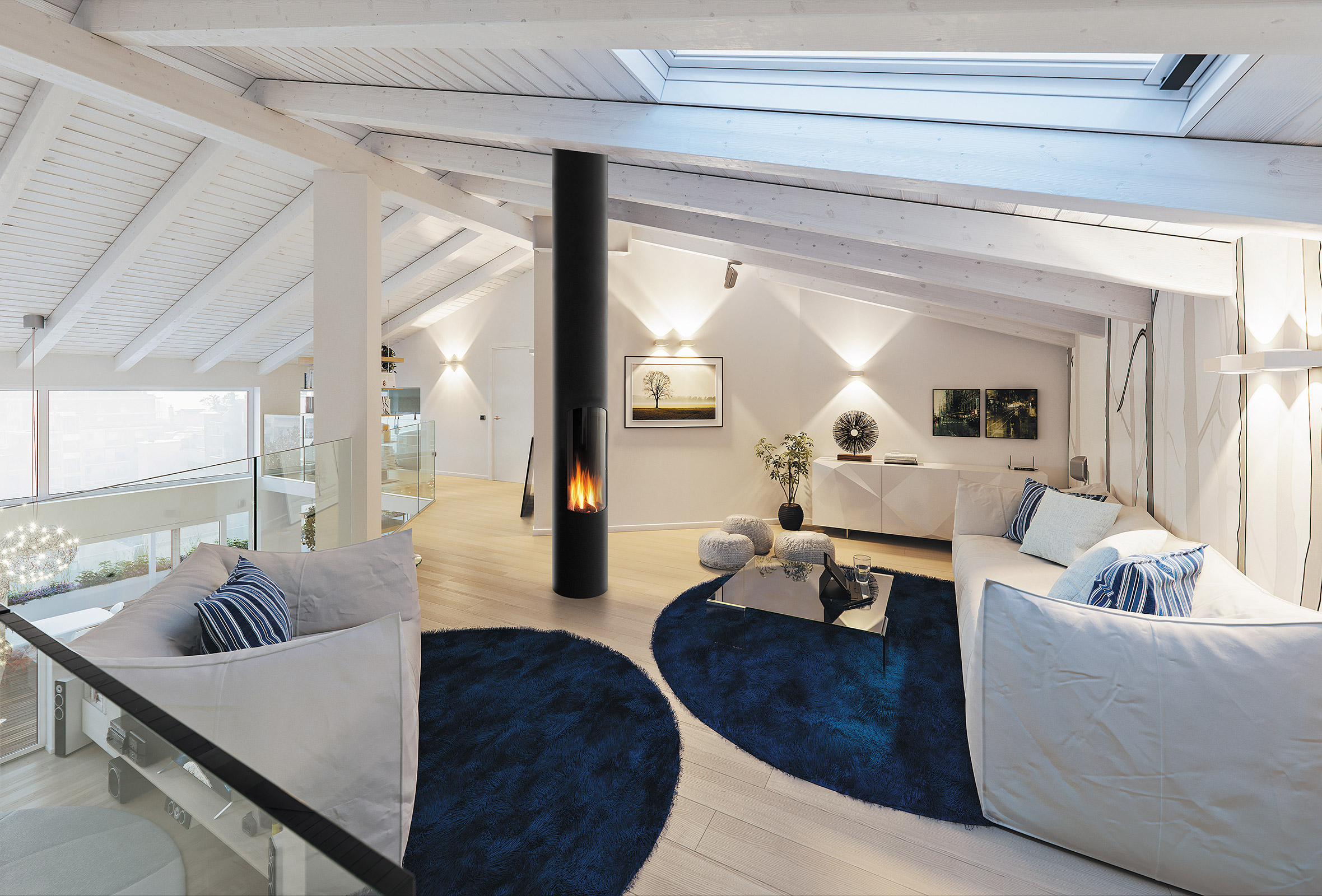 SLIMFOCUS GAS ON BASE Central stove on a base
 AGORAFOCUS WOOD Central suspended stove
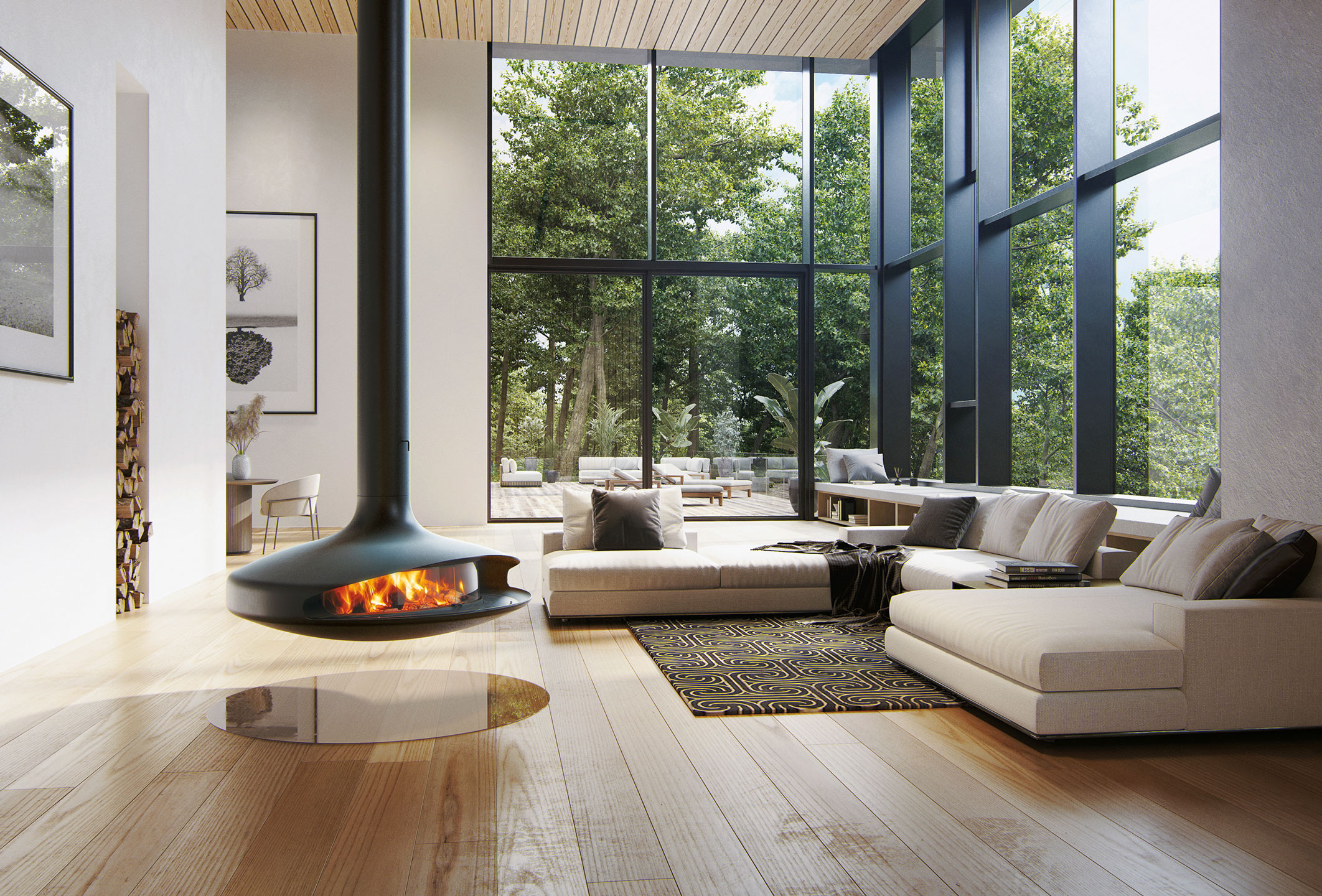 GYROFOCUS WOOD GLAZED Central suspended pivoting stove
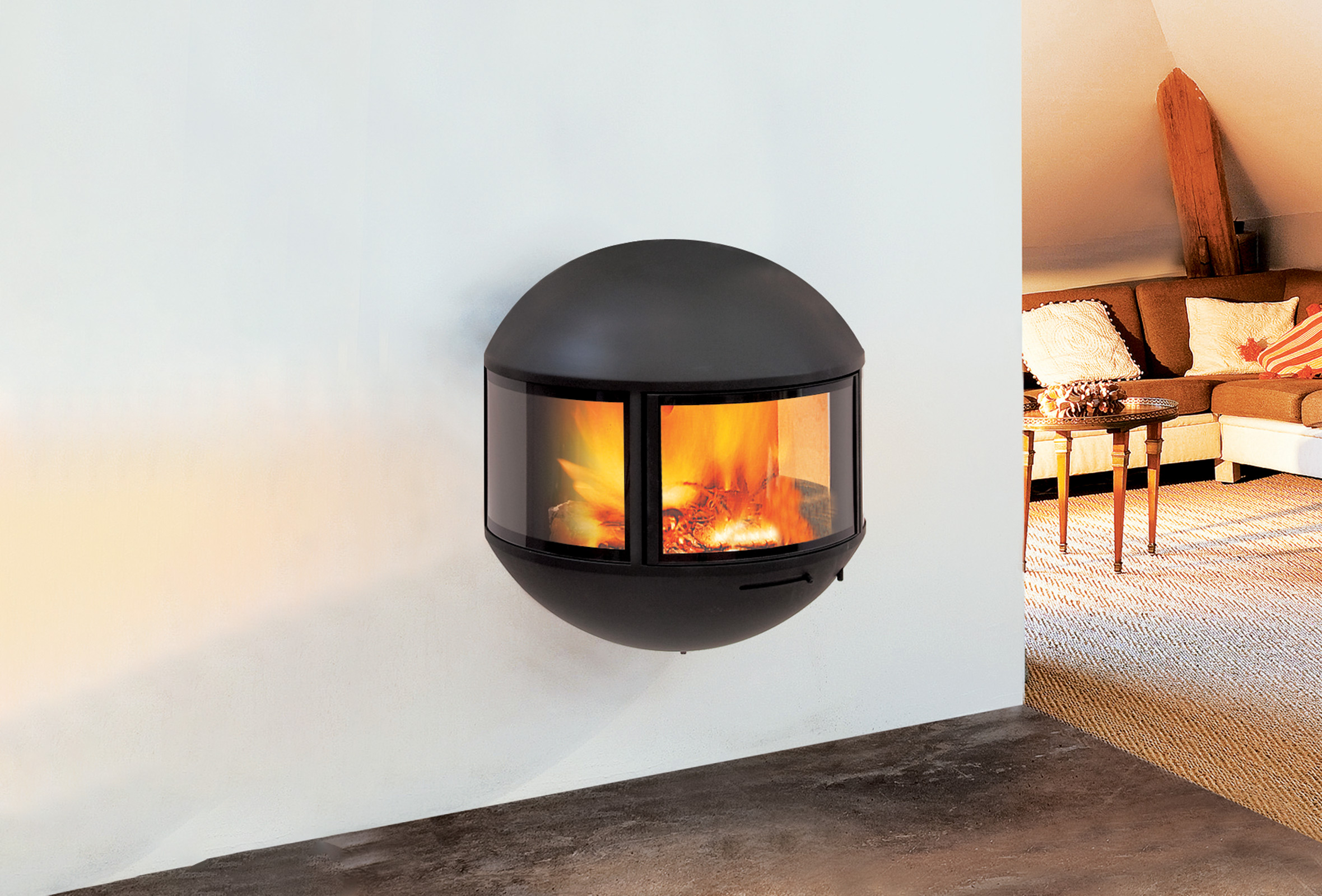 EDOFOCUS WOOD RO Wall-mounted stove (Rear Outlet)
 SLIMFOCUS WOOD Central suspended stove pivoting or fixed stove
 EMIFOCUS WOOD PORTHOLE Wall-mounted stove (Rear Outlet)
 Ergofocus bioethanol Central suspended pivoting model
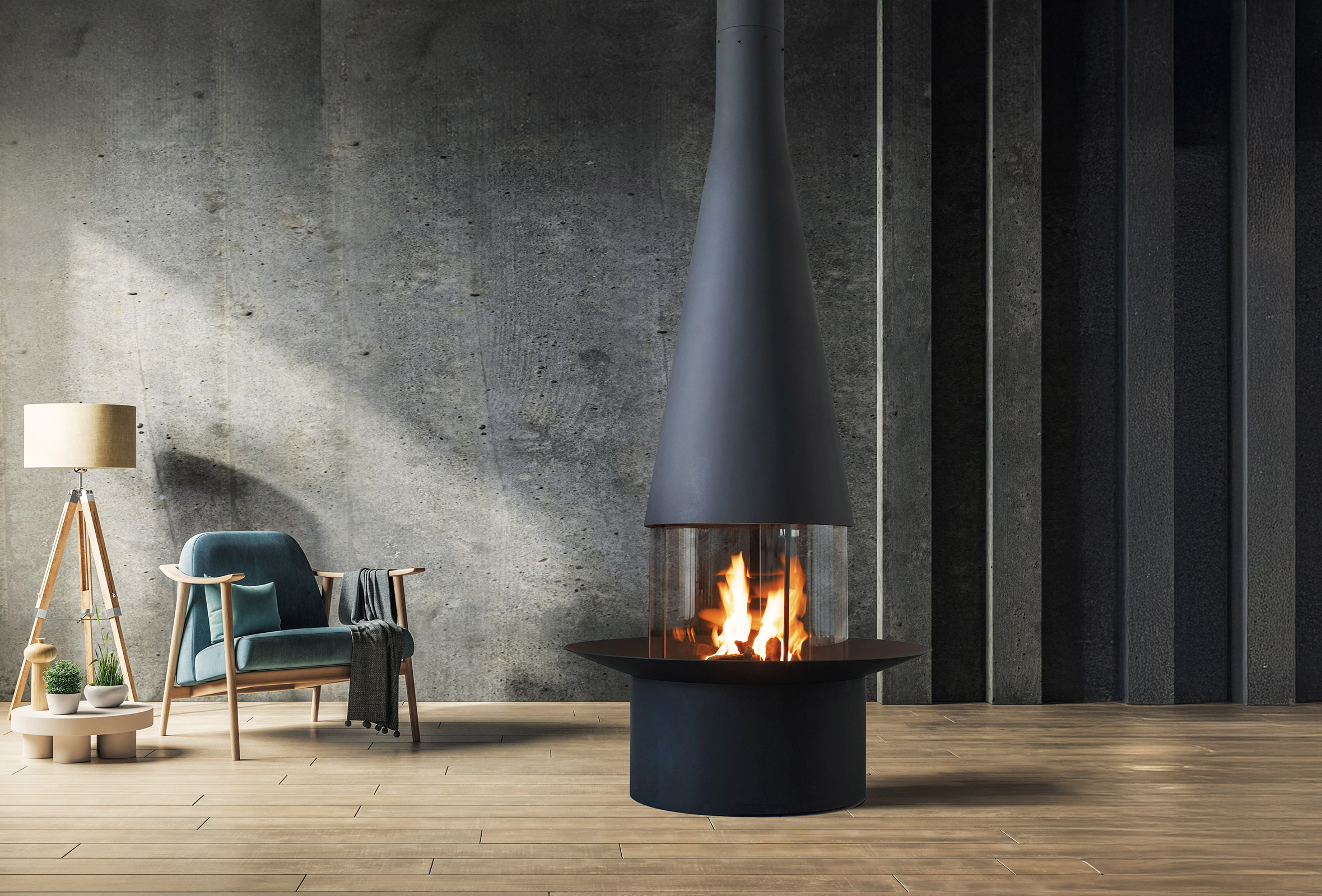 FILIOFOCUS 2000 gas Central model on a base
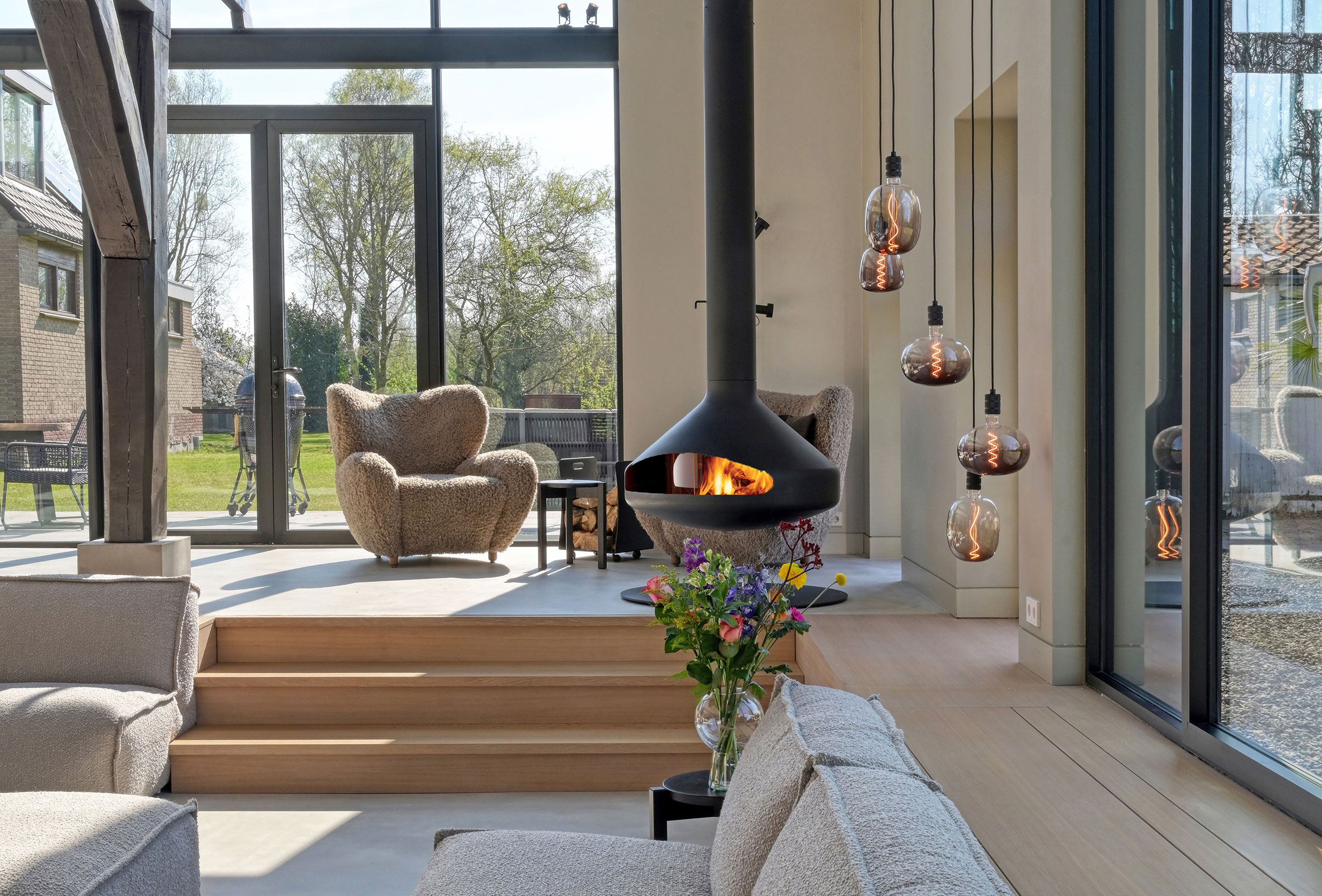 ERGOFOCUS WOOD GLAZED Central suspended pivoting stove
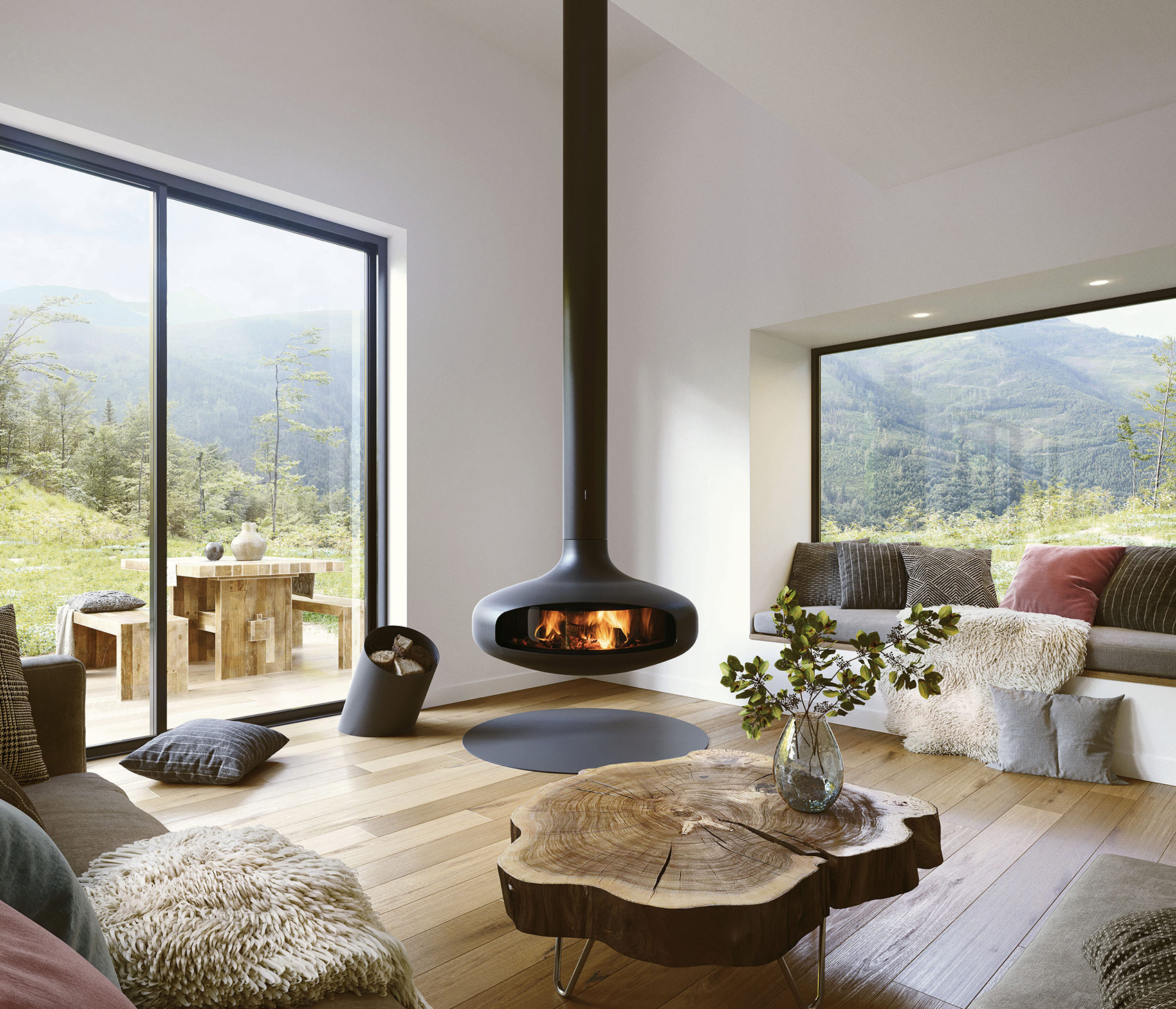 DOMOFOCUS WOOD GLAZED Central suspended pivoting stove
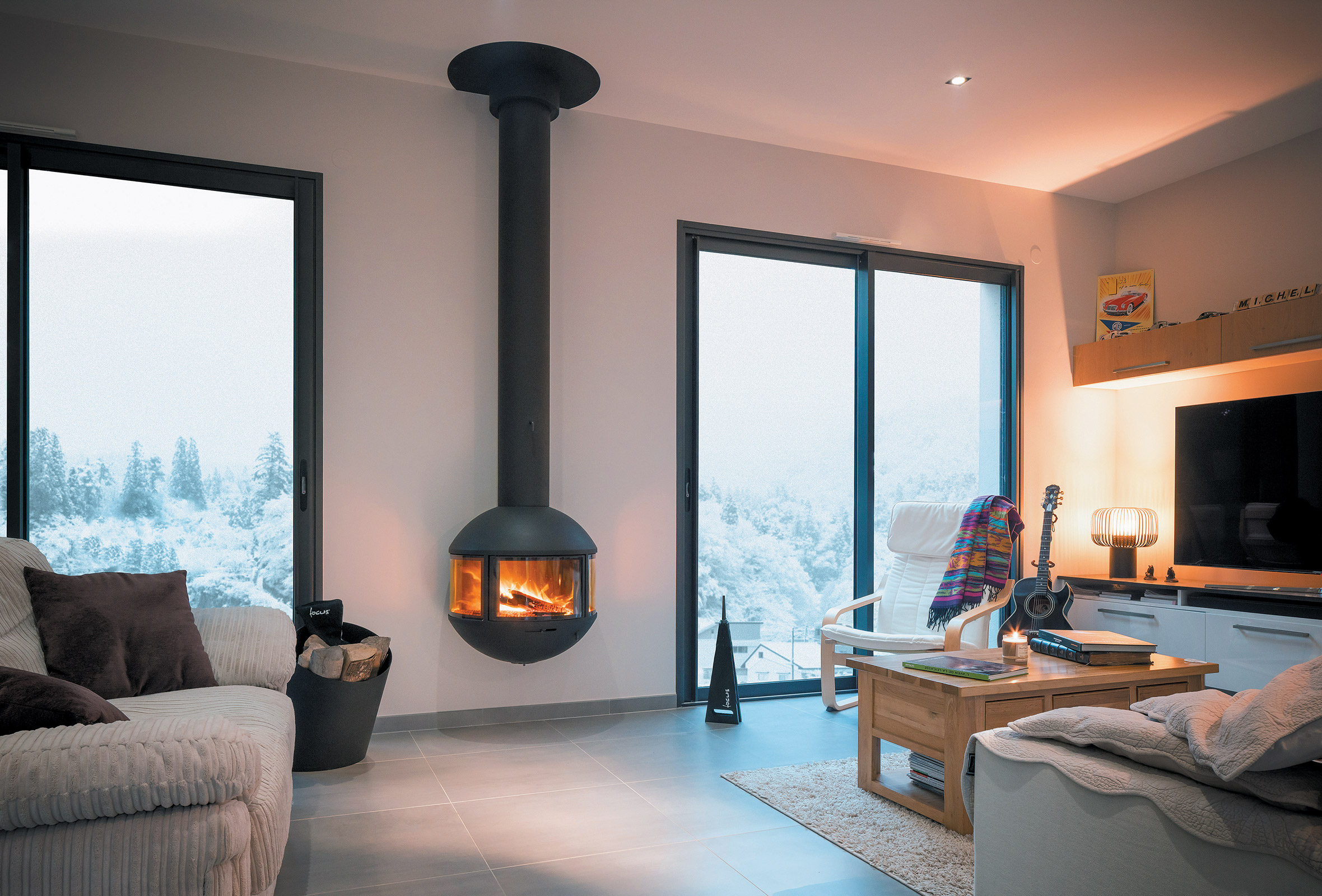 EDOFOCUS DV Wall-mounted suspended stove (Vertical Outlet)
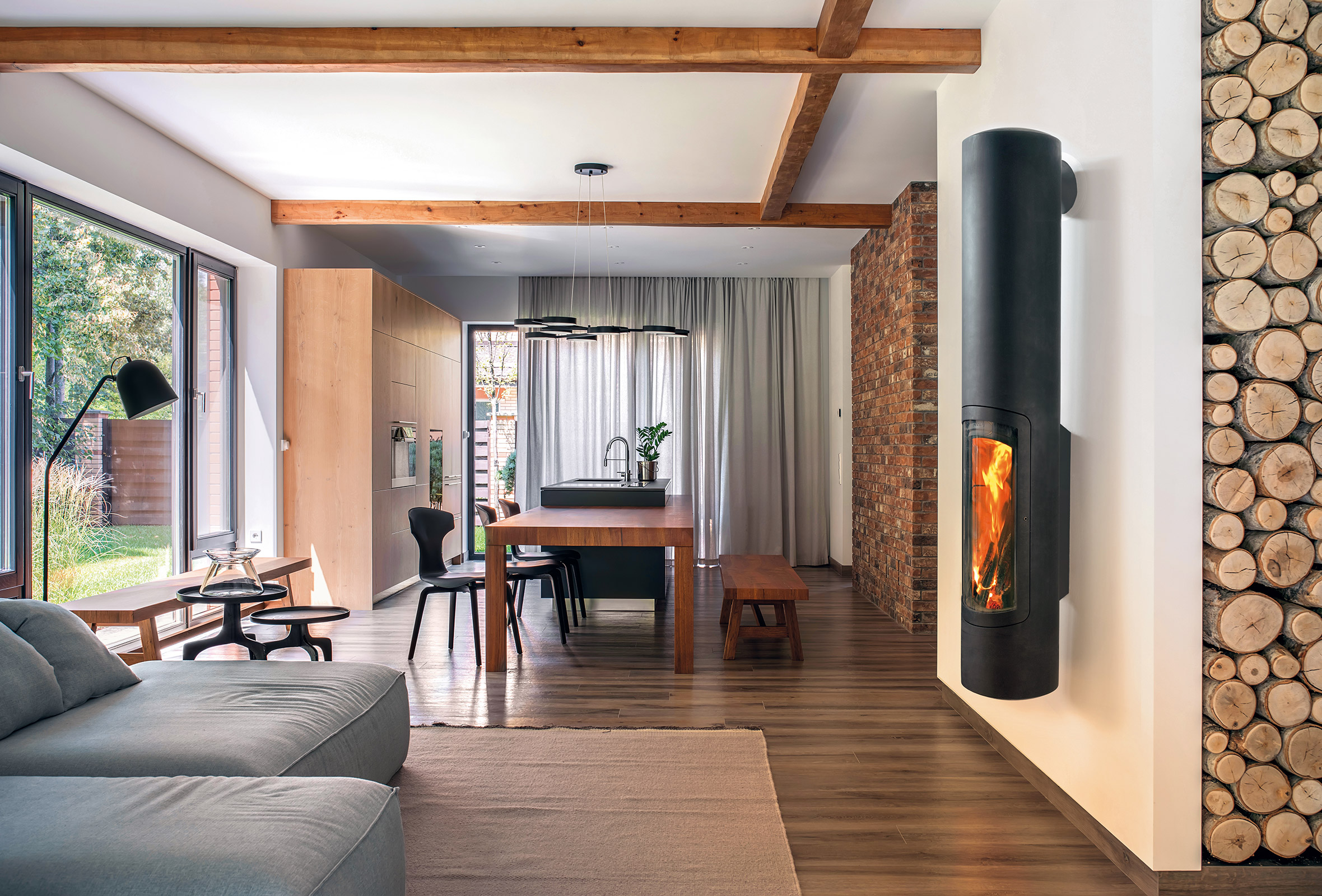 SLIMFOCUS WALL-MOUNTED Wall-mounted suspended stove
 Gyrofocus bioethanol Central suspended pivoting model
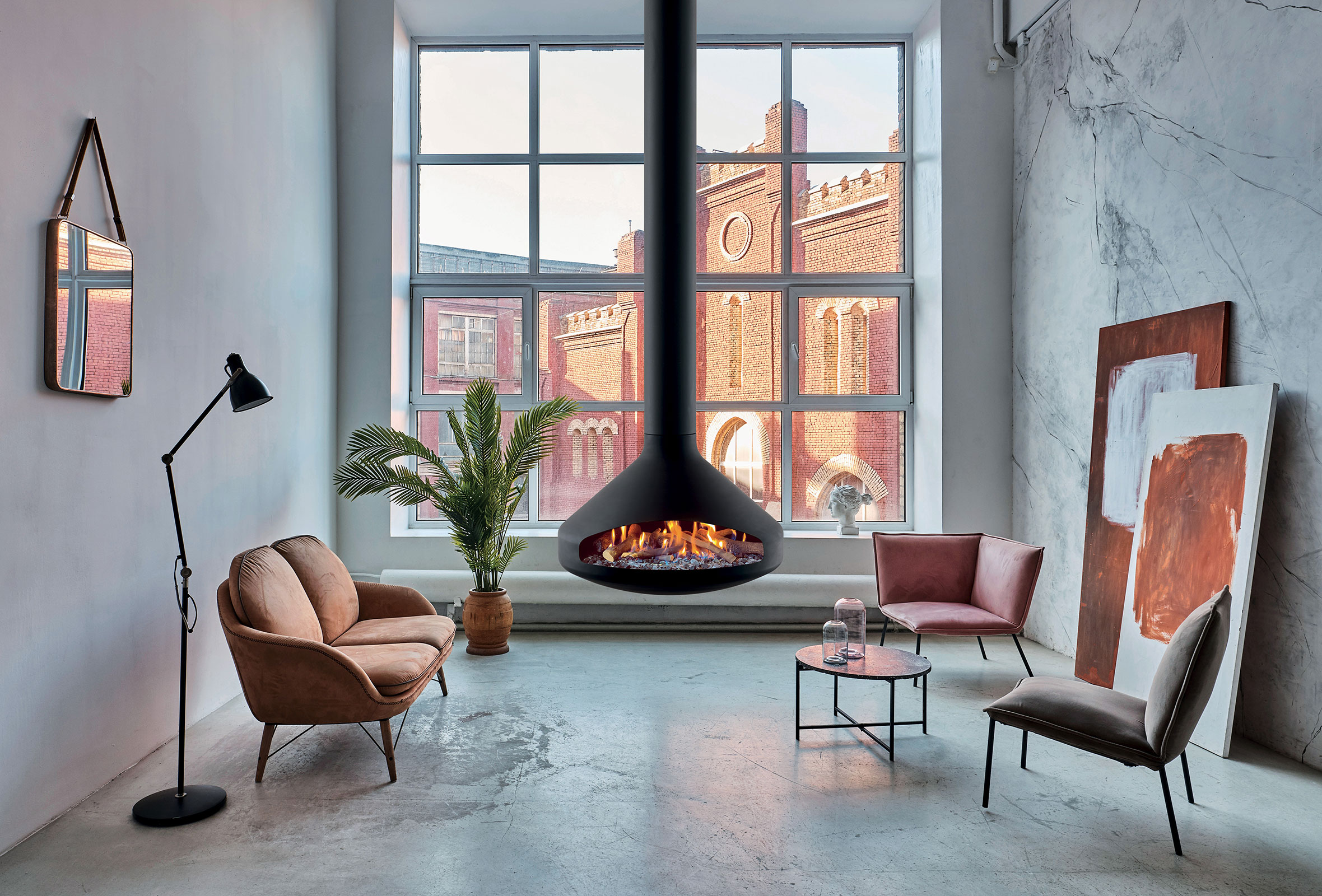 Ergofocus Gas Central suspended pivoting model
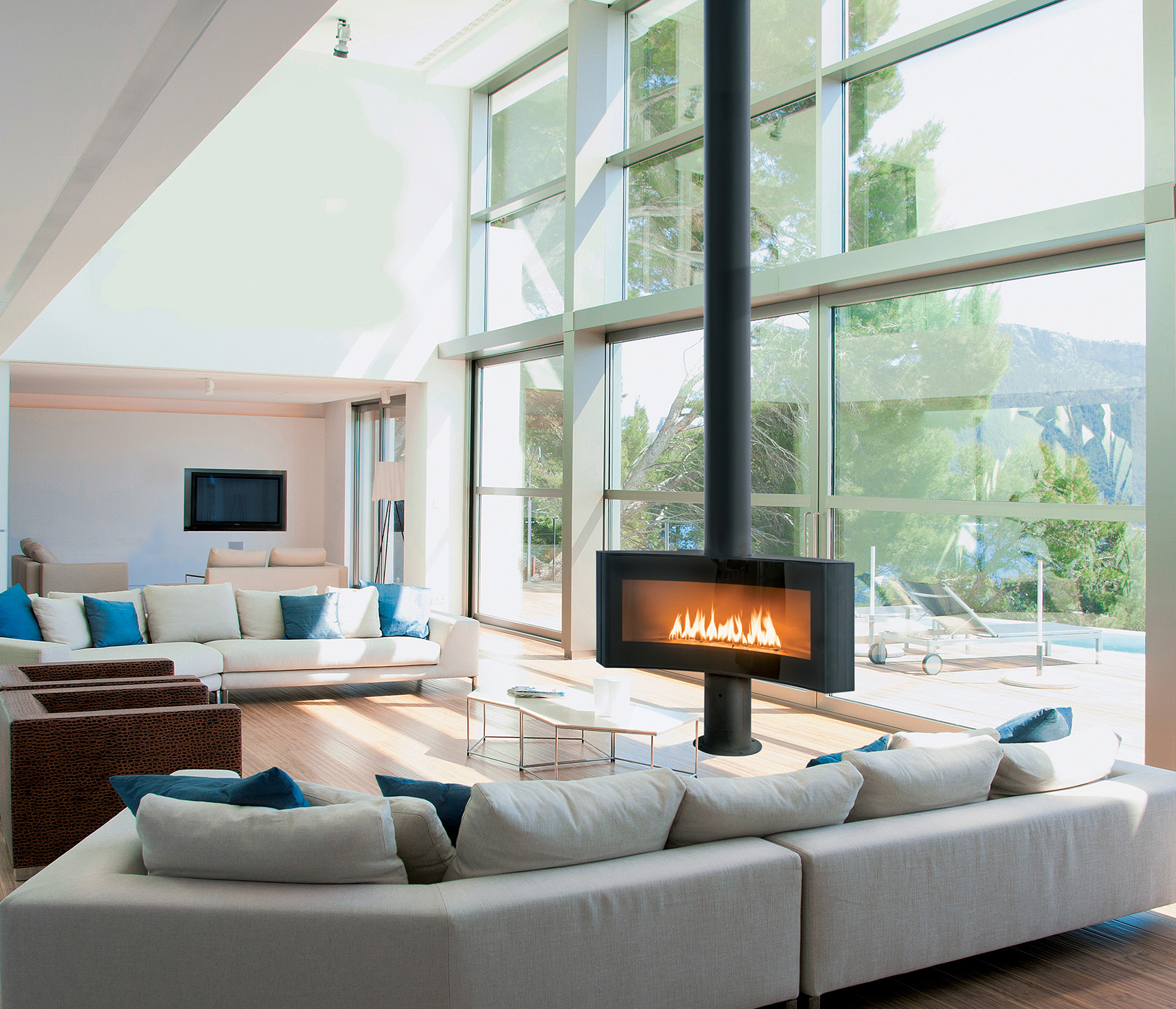 CURVIFOCUS GAS Central stove on a base
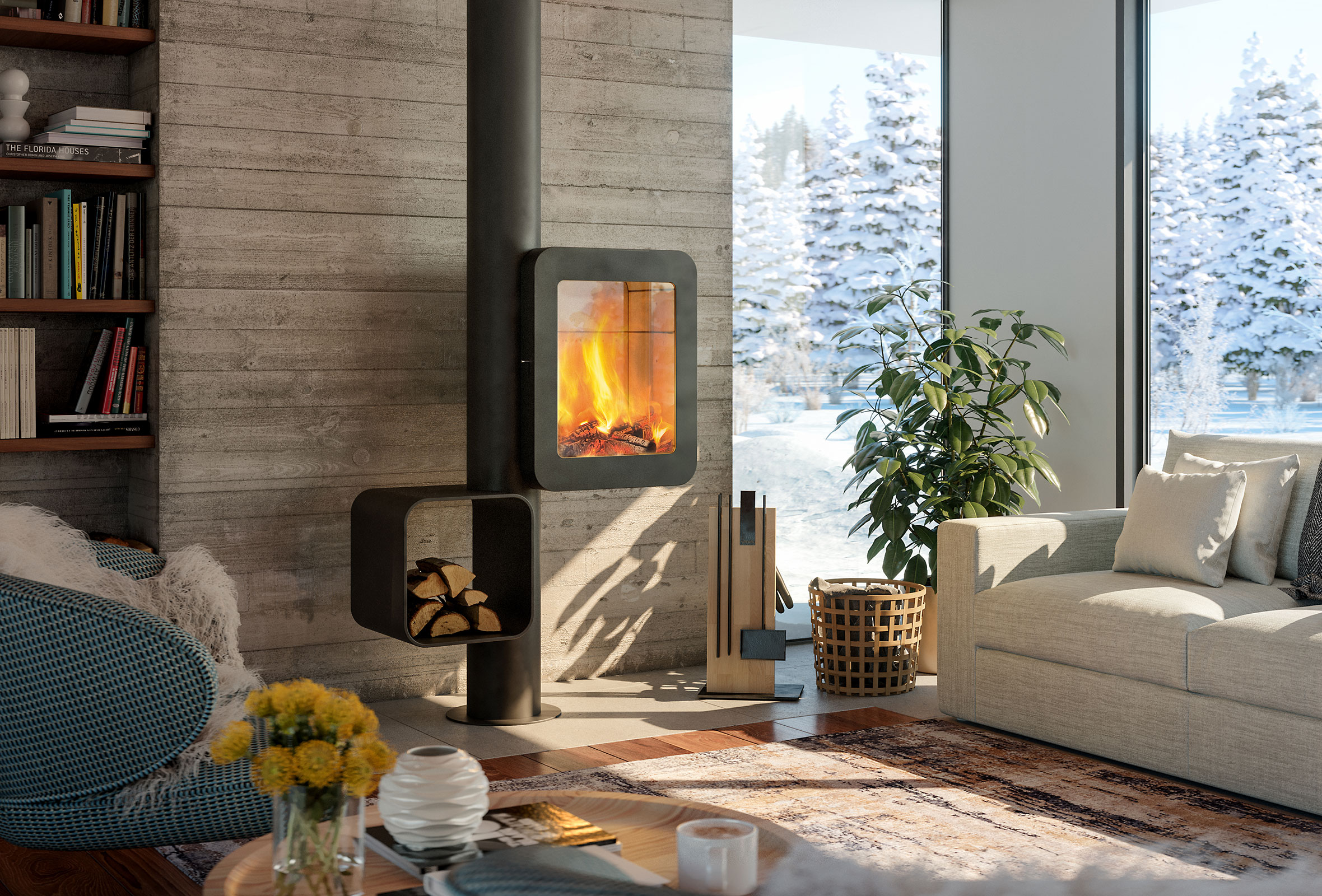 GRAPPUS WOOD Central stove on a base
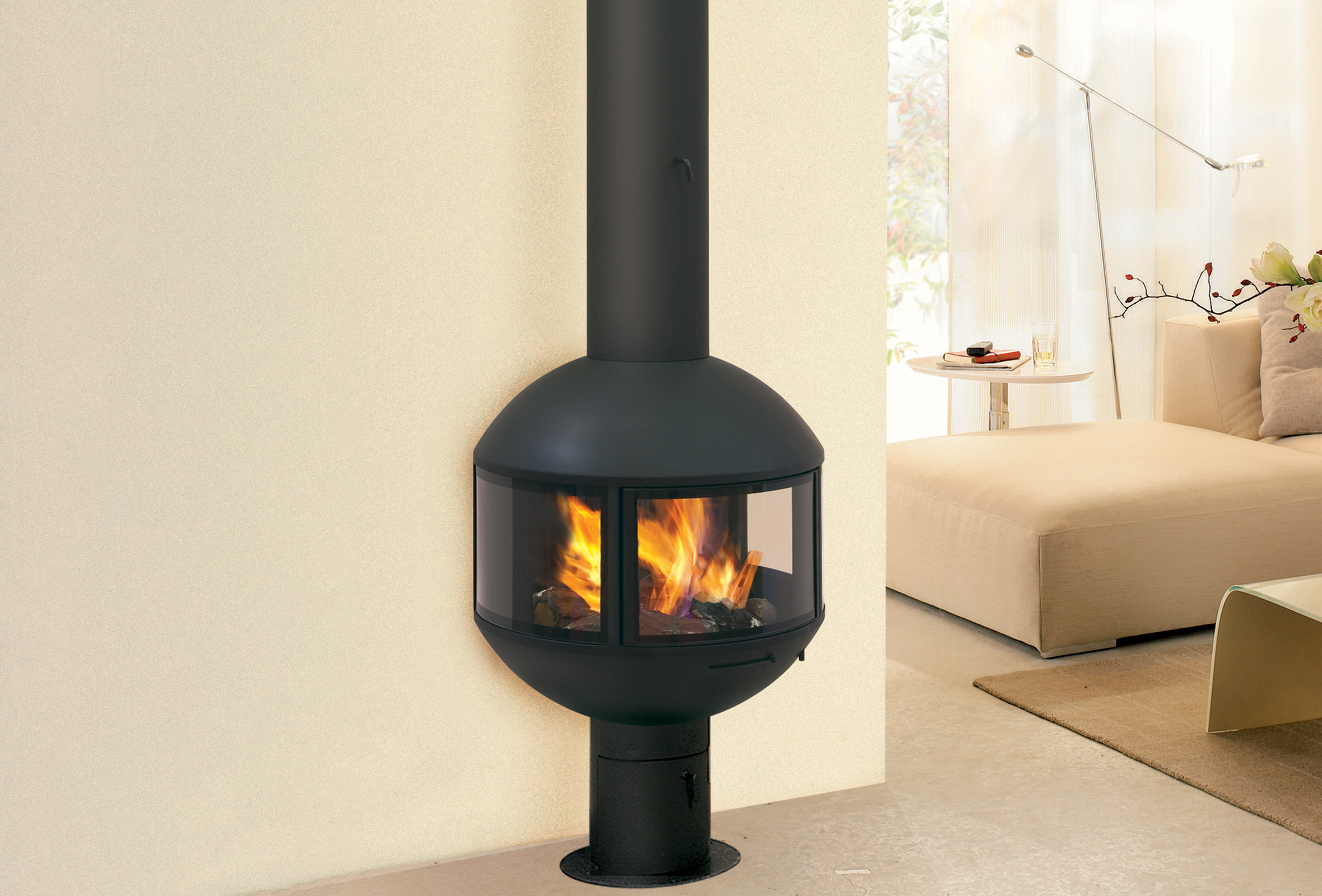 EDOFOCUS WOOD ON BASE Wall-mounted stove on a base
In contemporary living, the lounge, living room and dining area are often brought together within a single volume. The contemporary fireplace must therefore find its place in a less compartmentalised space, with a broader perspective and circulation that remains fluid.
It is no longer limited to a wall or a corner of the room. Depending on its position, it can create a point of reference, accompany a living area or organise the volume without closing off the space. Fire then becomes an element of interior composition.
A contemporary fireplace must have a presence within the room without weighing down the way the space is perceived. Its position, proportions, flue and relationship with the furniture all directly influence the balance of the place. A hearth that is too imposing can overwhelm the room and make it feel visually smaller. Conversely, a model that is too discreet can appear lost and isolated. The challenge lies in placing the fire in the right position, with a legible presence and coherent integration within the interior architecture.
A contemporary fireplace can be a strong element without becoming demonstrative. Its presence depends as much on the sobriety of its design as on the choice of material, its proportions and the quality of its finishes. Steel makes it possible to create hearths with sharp, refined lines, without the need for superfluous decorative elements. A contemporary fireplace is not designed to respond to a passing trend, but to become a lasting part of the space, with a balanced and considered presence.
The suspended fireplace fully responds to the codes of contemporary living. By freeing the floor, it lightens the perception of the hearth, especially when the hearth is fully glazed, as with the Agorafocus.
In an open room or architectural volume, a suspended model can become a strong point of reference without interrupting the space. Since the creation of the Gyrofocus in 1968, Focus has made the suspended fireplace a signature of French design.
A floor-standing central fireplace makes it possible to organise the plan around the fire. It is particularly suited to large living rooms, open-plan spaces or projects in which the hearth becomes a gathering point. A central fireplace does not necessarily have to be placed at the exact centre of the room. Above all, it must occupy the right position, allowing the fire to be visible from several viewpoints without obstructing circulation.
The wall-mounted fireplace follows another logic, offering a frontal view of the fire. It forms part of an existing wall and works with the architecture of the place. It is suited to spaces where the walls already structure the layout. By freeing the centre of the room, it facilitates the arrangement of furniture. In a contemporary living room as in a renovation project, it makes it possible to integrate the hearth without disrupting the overall organisation of the space.
A successful contemporary fireplace depends largely on how it is integrated into the building. Ceiling height, the flue route, the nature of the roof, safety distances and the position of the hearth all influence the choice of model. These elements are not only technical. They also contribute to the final aesthetic of the project: a well-positioned flue can enhance the perception of volume.
The choice of energy is part of the project. Depending on the model and the place, a contemporary fireplace can run on wood, gas, bioethanol or holographic electric technology. Wood responds to a heating use. Gas offers real flames with ease of use, for heating as well as ambience. Bioethanol allows installation without an external connection in certain configurations. Holographic electric technology offers the presence of fire without combustion. The choice depends on the place, the intended use and the installation conditions.
The preliminary assessment makes it possible to connect the aesthetic choice, the intended use and the technical feasibility. The Focus-authorized dealer analyses the characteristics of the place, advises on the model, takes measurements and prepares the project plans. Focus’s technical teams validate feasibility before manufacturing. This support makes it possible to integrate the fireplace into the project with precision, taking into account the interior architecture, the flue, the energy and the installation conditions.
A contemporary fireplace is not necessarily defined by a spectacular effect. It is based above all on a legible form, balanced proportions and a controlled presence. A model too strongly marked by a decorative trend can quickly date an interior. Conversely, a fireplace with a sober design retains its relevance over time: a refined form, a matt black finish and a position conceived in coherence with the architecture of the place.
A contemporary fireplace must extend the architectural project. It dialogues with volumes, materials, furniture and circulation. It does not simply occupy a position: it participates in the way the space is lived.
At Focus, this approach is supported by a collection of steel models, French manufacturing and recognised savoir-faire. Every project deserves a precise assessment so that the most suitable model can find its rightful place within contemporary living.