A designer fireplace, whether modern or contemporary, is a fireplace whose form, use and position have been conceived together to give fire its rightful place within the space. It acts on the balance of the room, the circulation around the hearth and the way the flames are revealed.

 MAGMAFOCUS GAS Central model on a base

 Ergofocus bioethanol Central suspended pivoting model
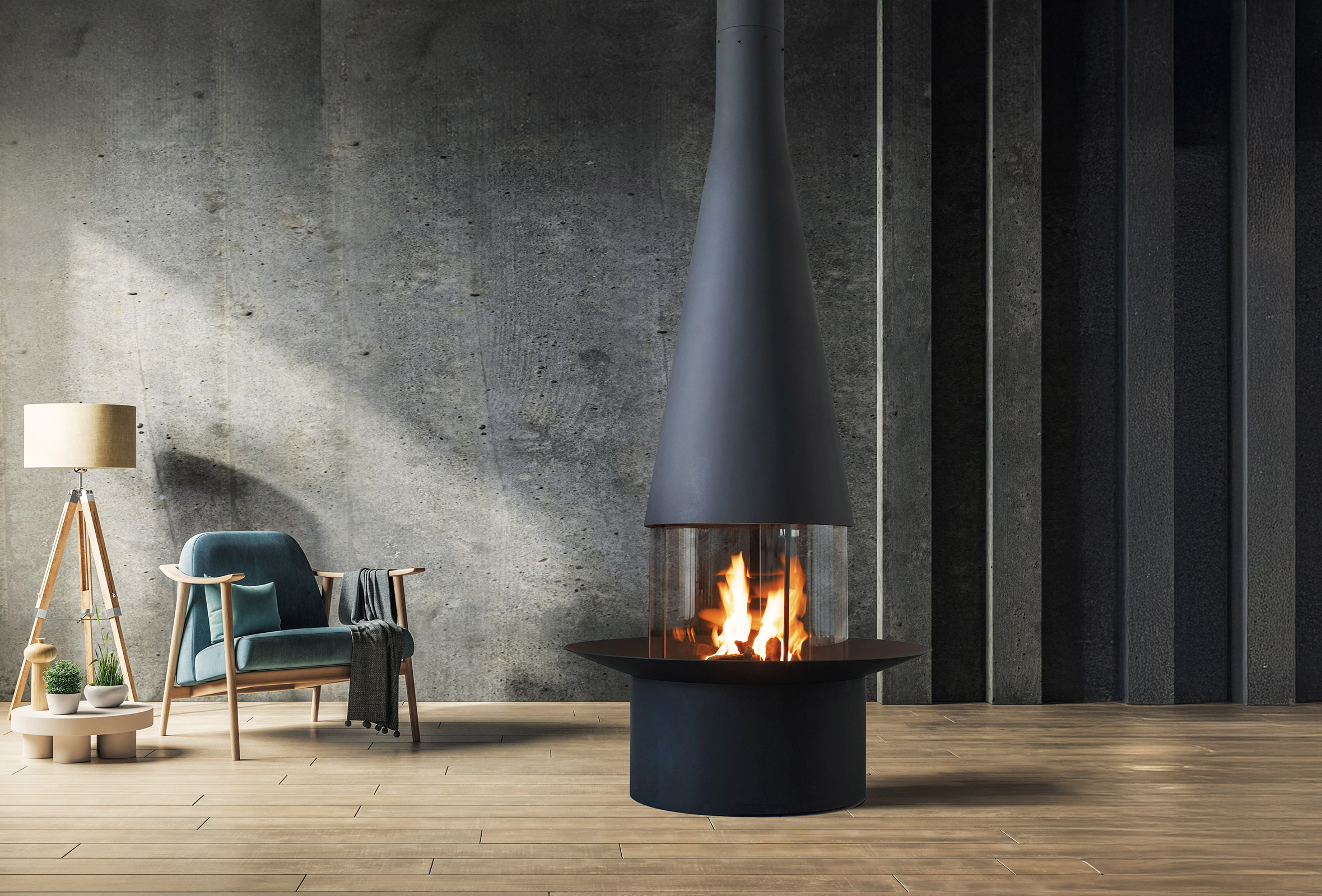 FILIOFOCUS 2000 gas Central model on a base
 Boafocus gas Central stove on a base
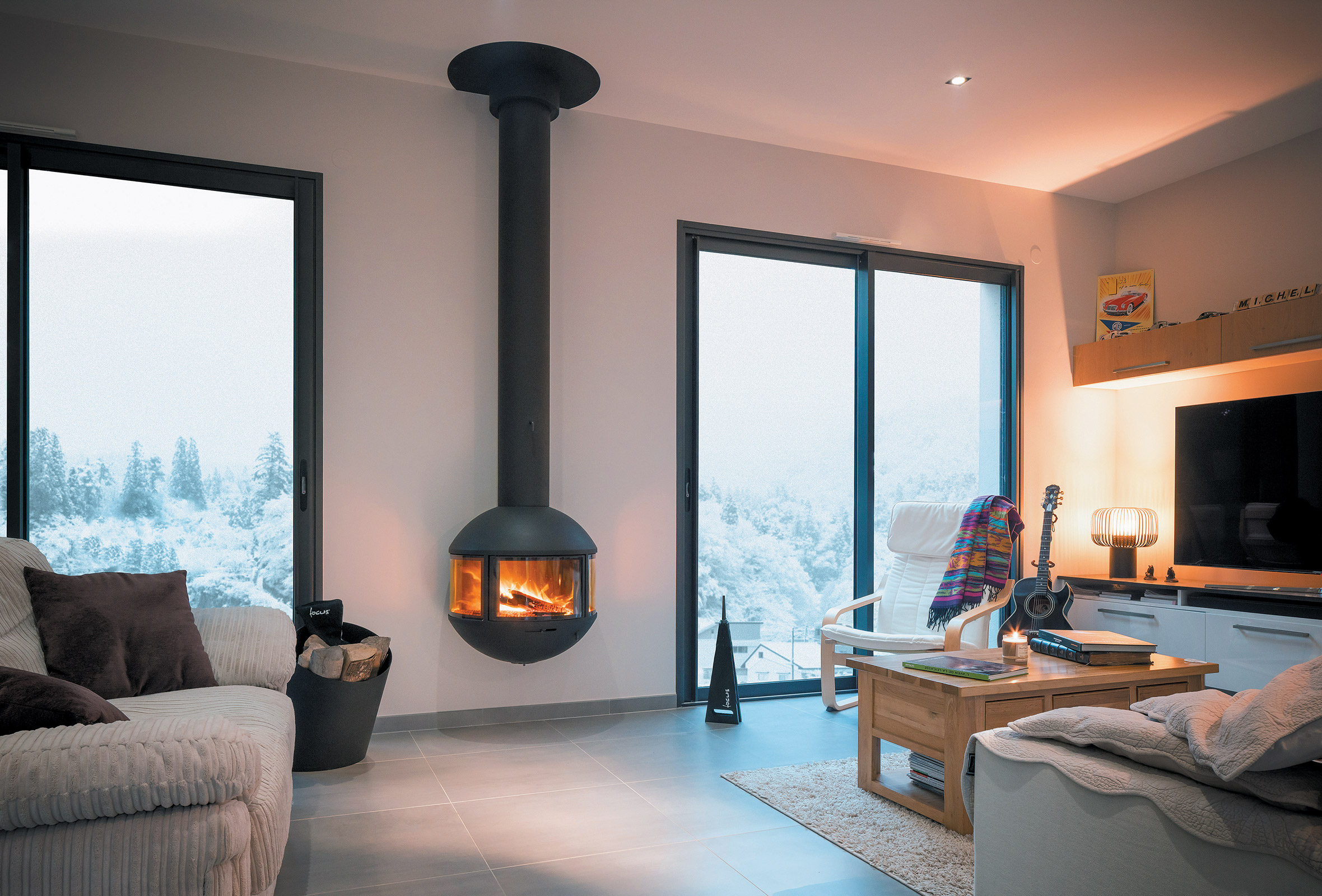
 EDOFOCUS DV Wall-mounted suspended stove (Vertical Outlet)
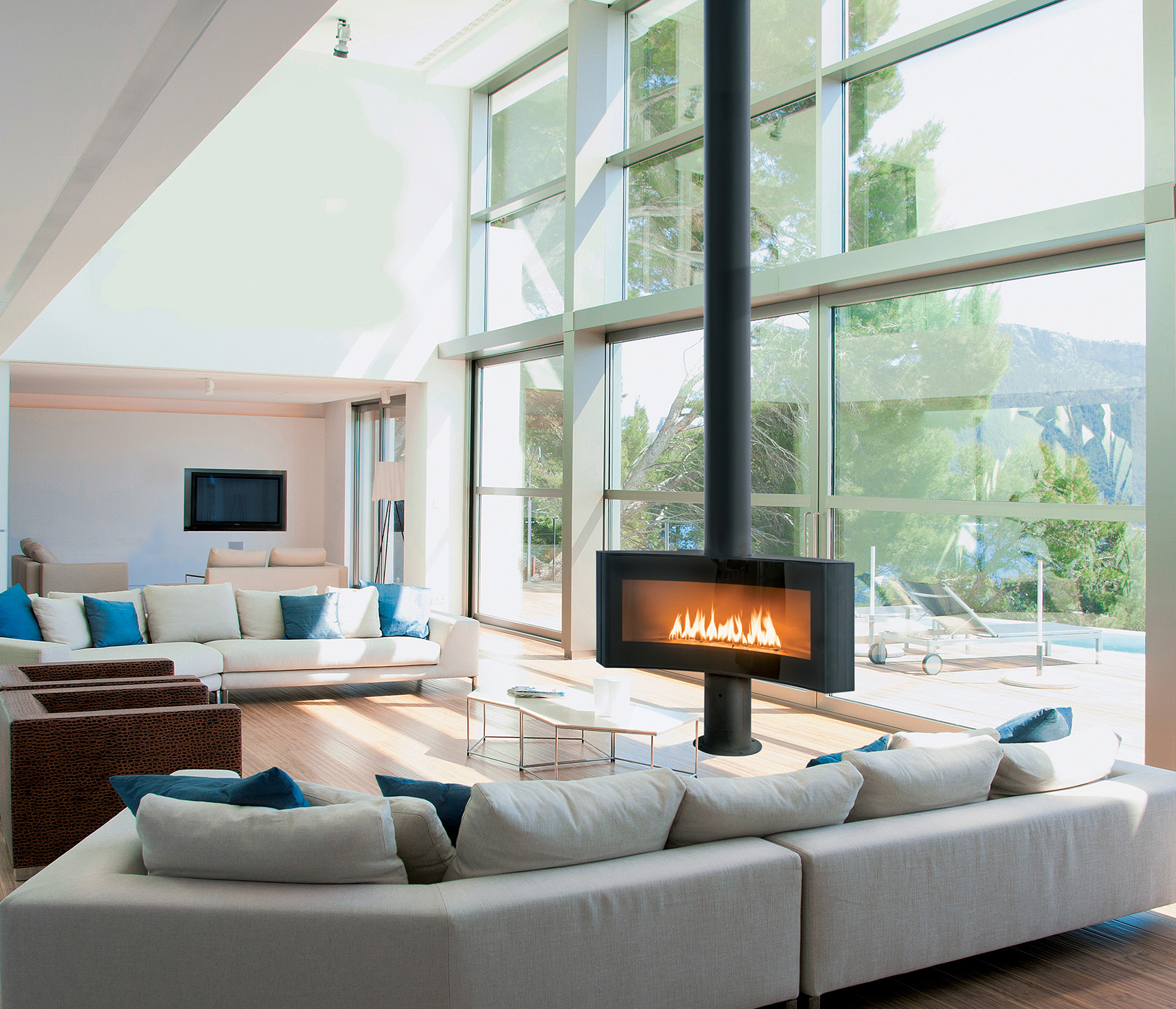 CURVIFOCUS GAS Central stove on a base
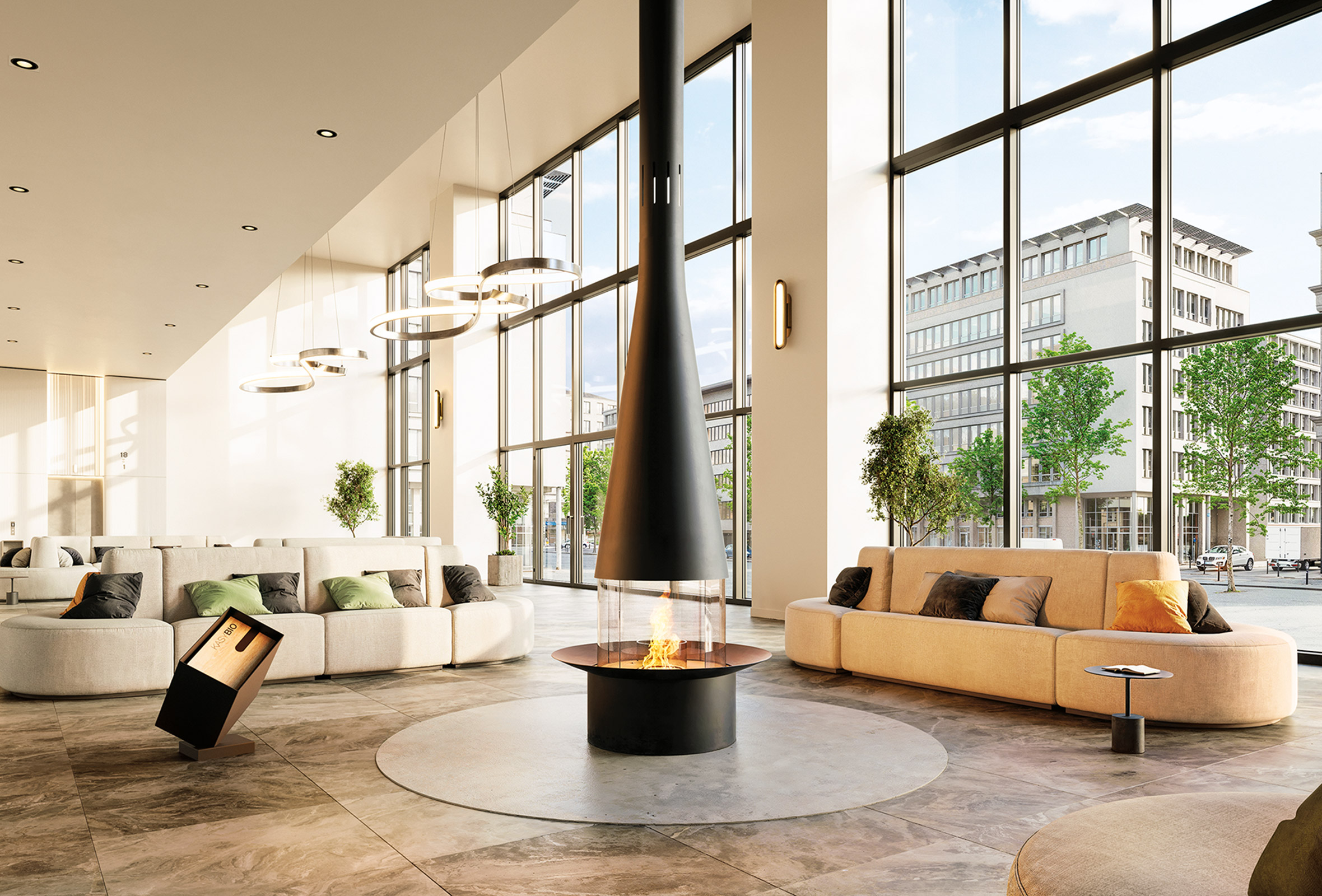 Filiofocus 1600 bioethanol Central model on a base
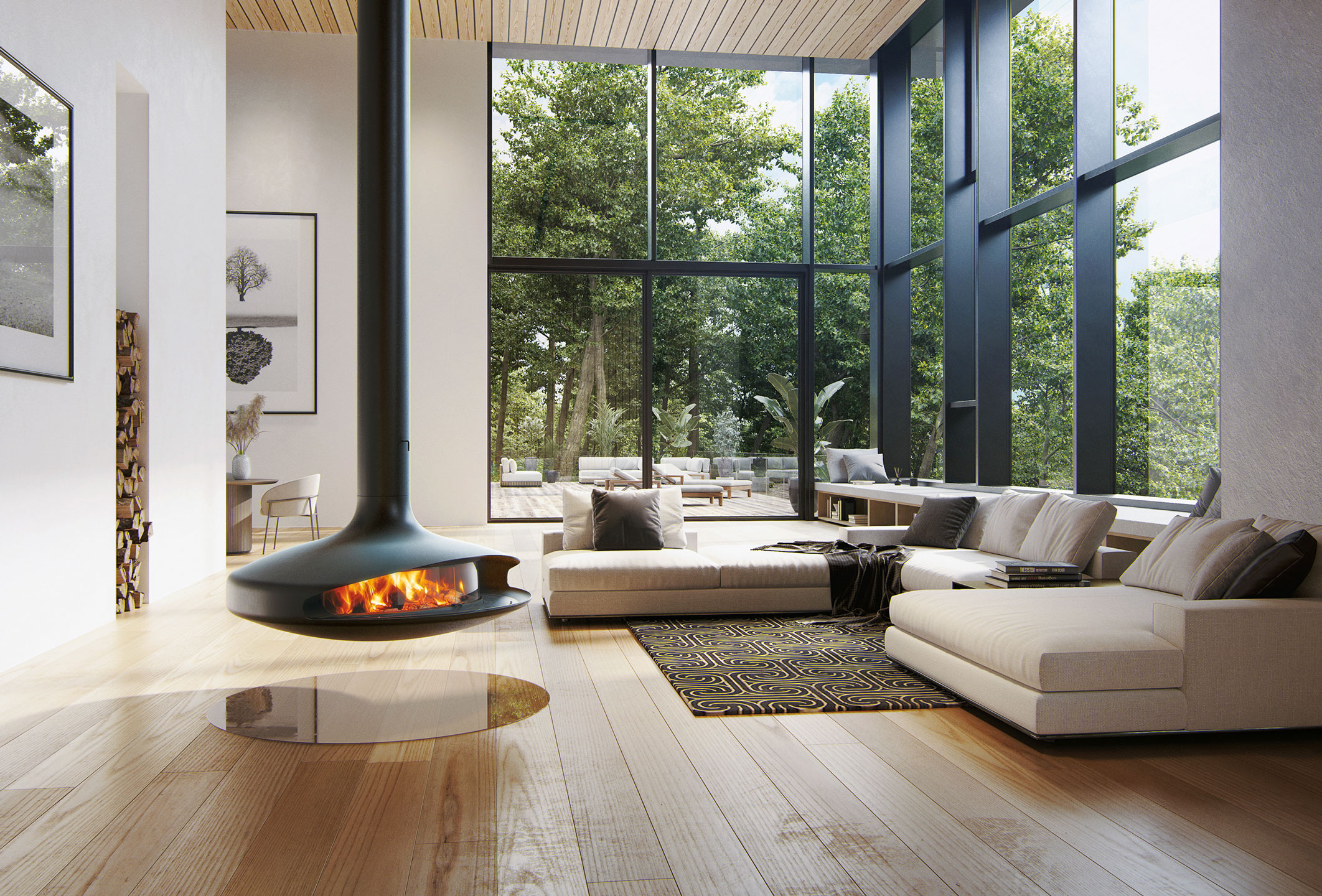 GYROFOCUS WOOD GLAZED Central suspended pivoting stove
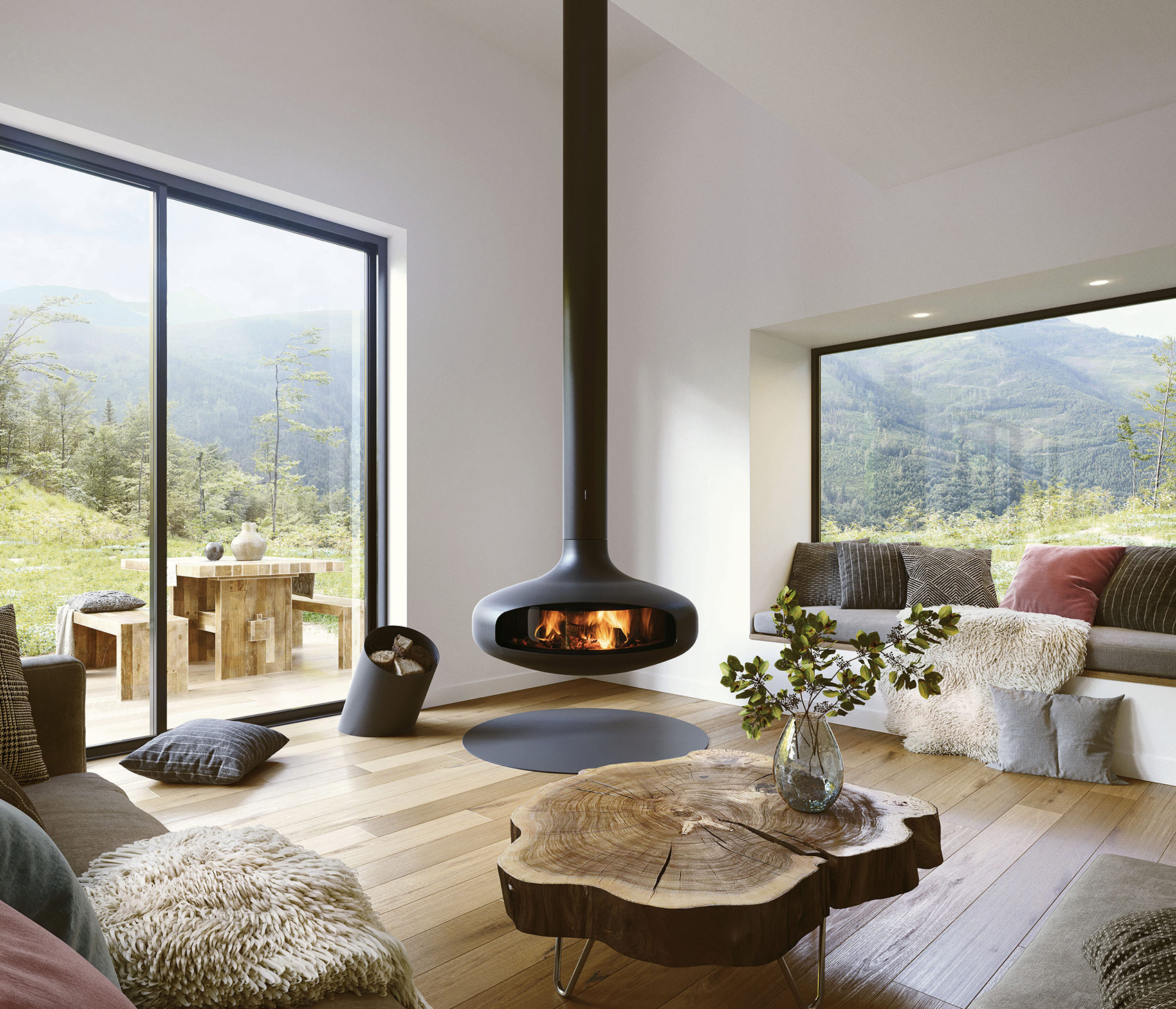 DOMOFOCUS WOOD GLAZED Central suspended pivoting stove
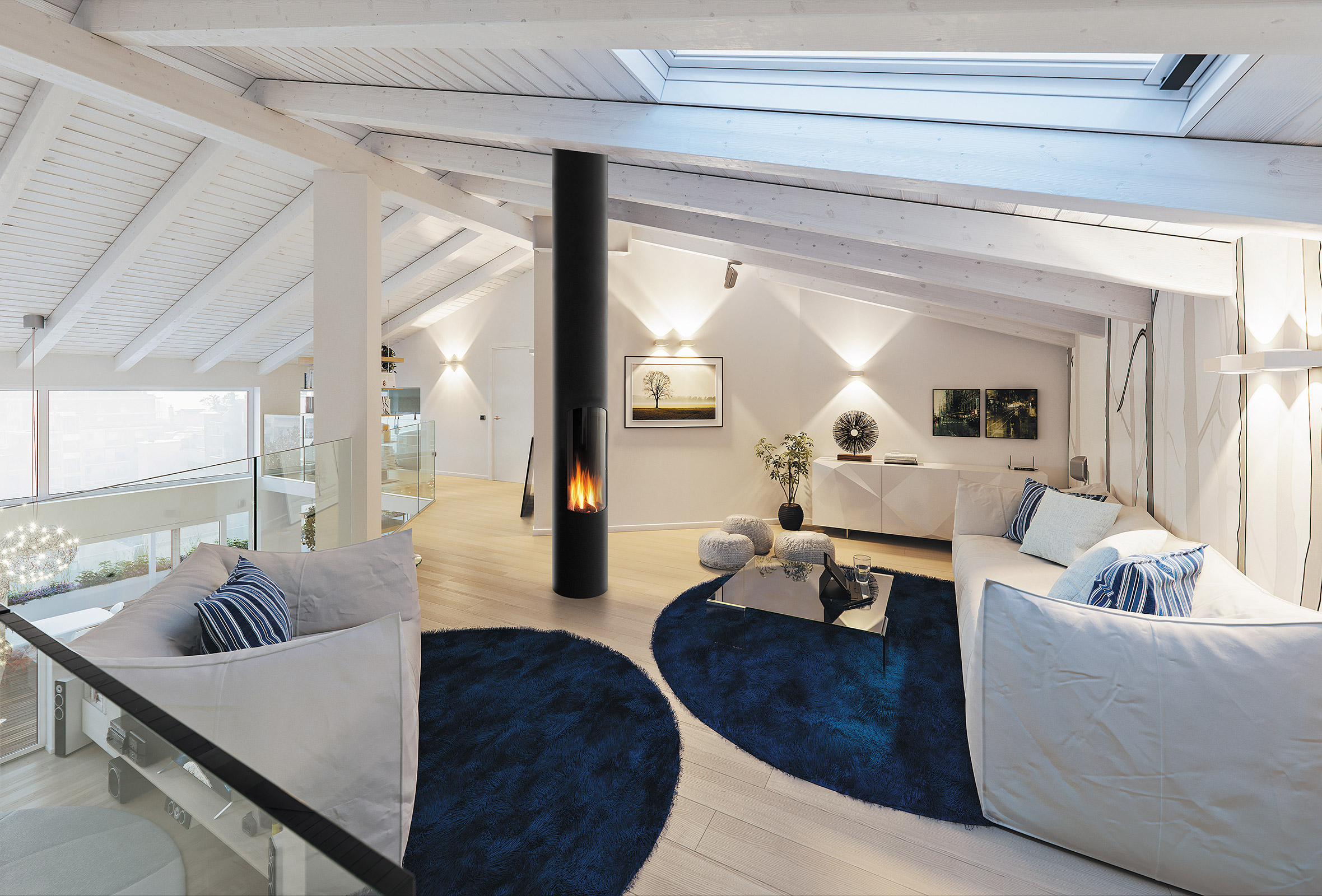 SLIMFOCUS GAS ON BASE Central stove on a base
 EMIFOCUS WOOD PORTHOLE Wall-mounted stove (Rear Outlet)
 FILIOFOCUS 1600 GAS Central model on a base
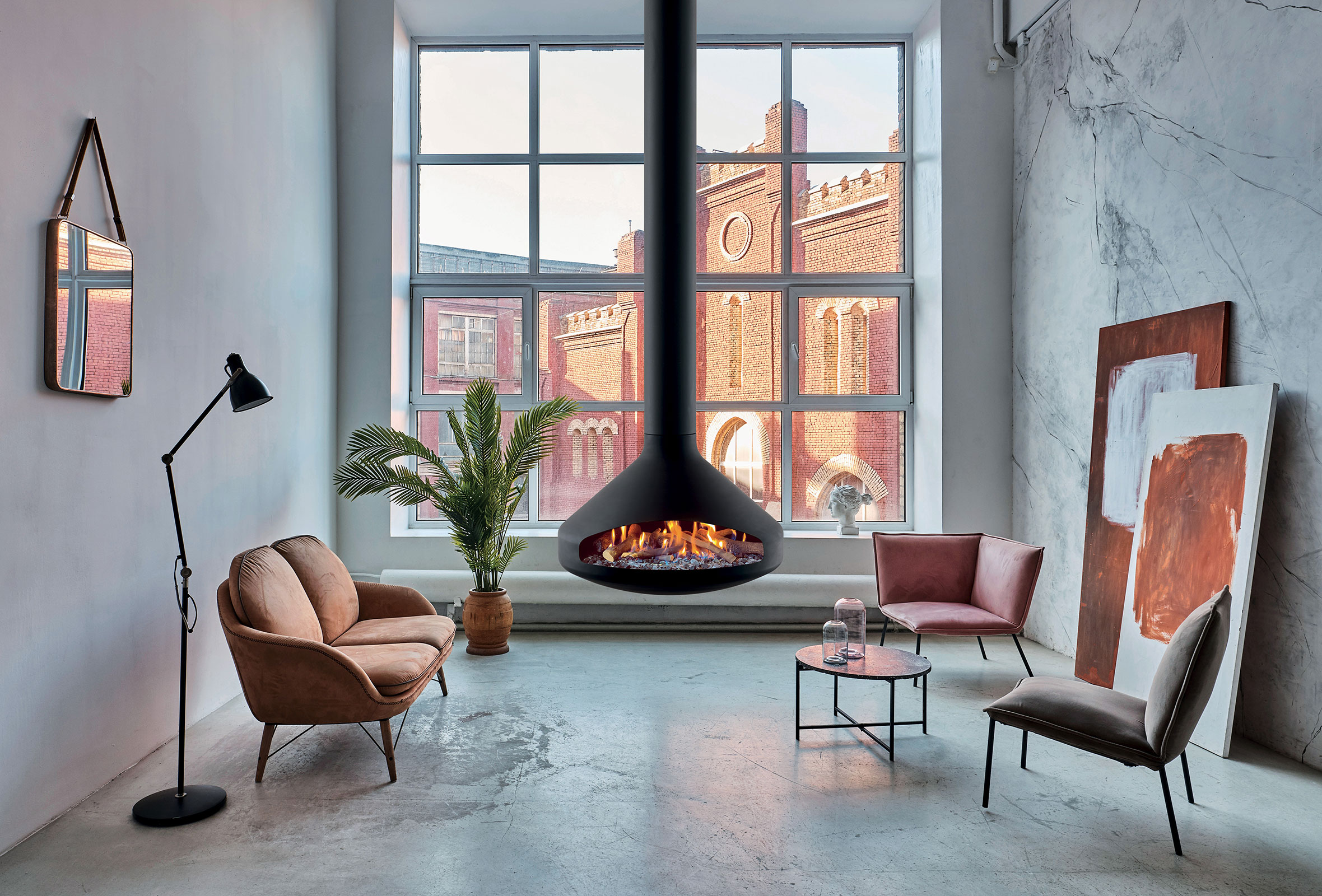 Ergofocus Gas Central suspended pivoting model
 BATHYSCAFOCUS GAS Central model on a base
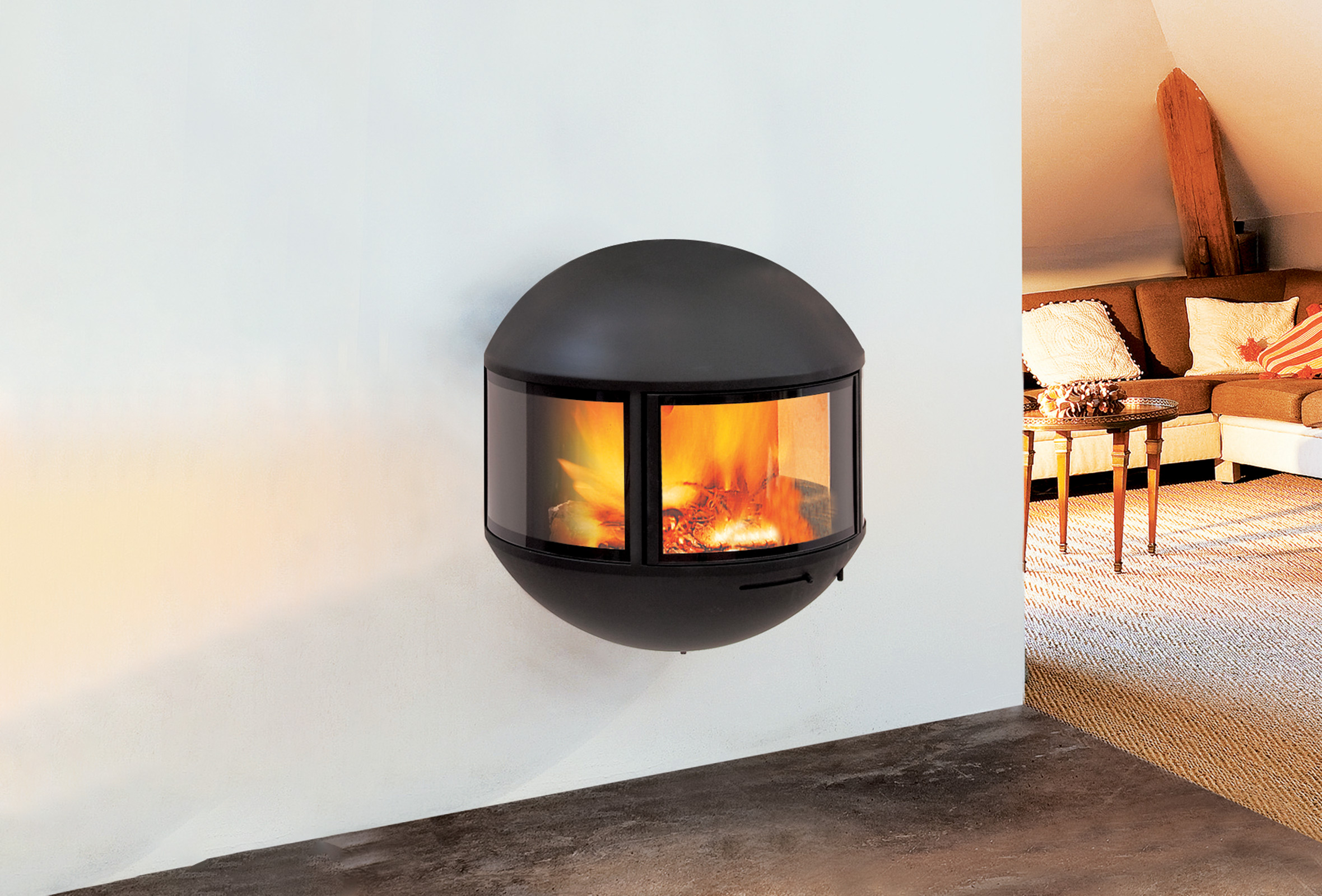 EDOFOCUS WOOD RO Wall-mounted stove (Rear Outlet)
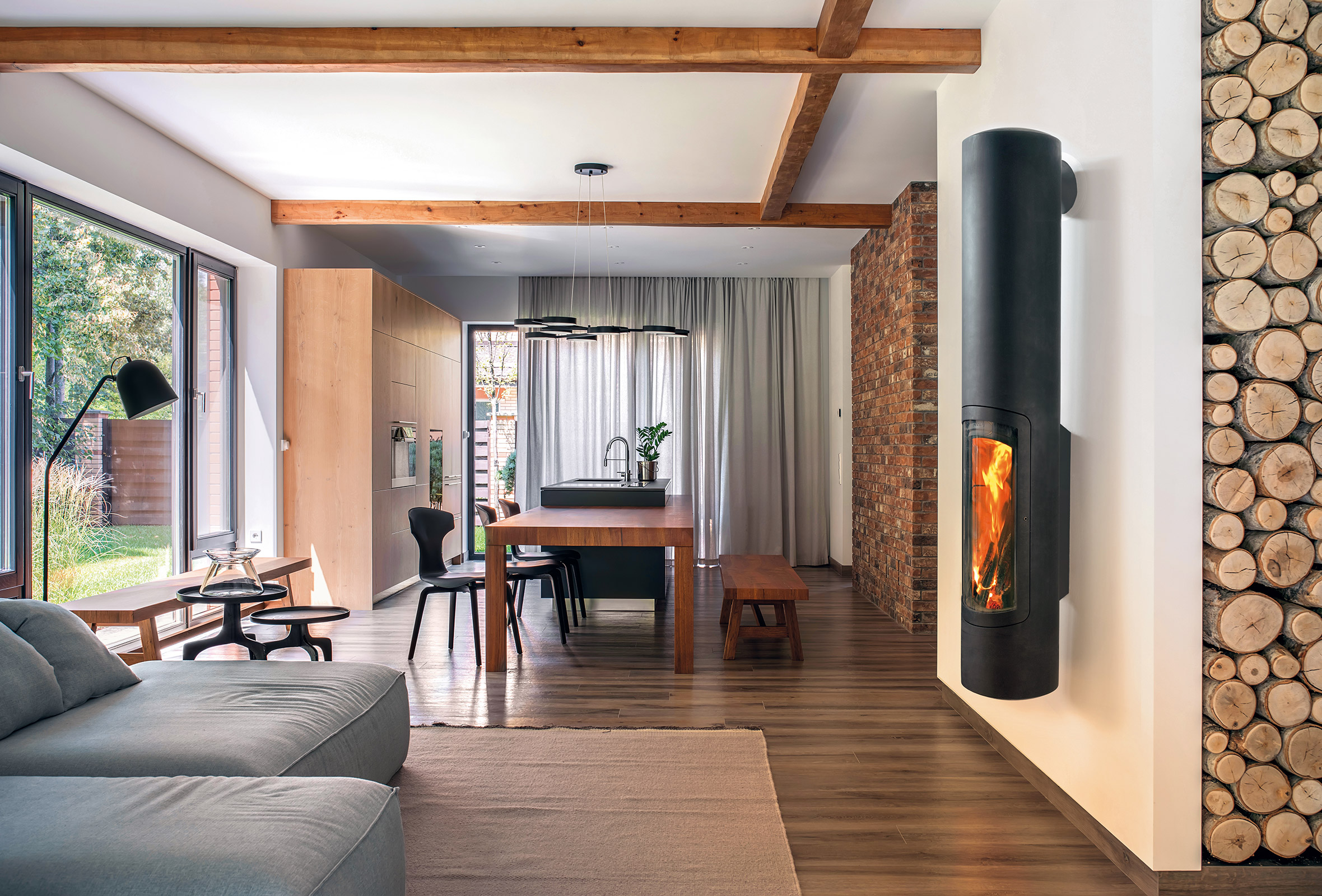 SLIMFOCUS WALL-MOUNTED Wall-mounted suspended stove
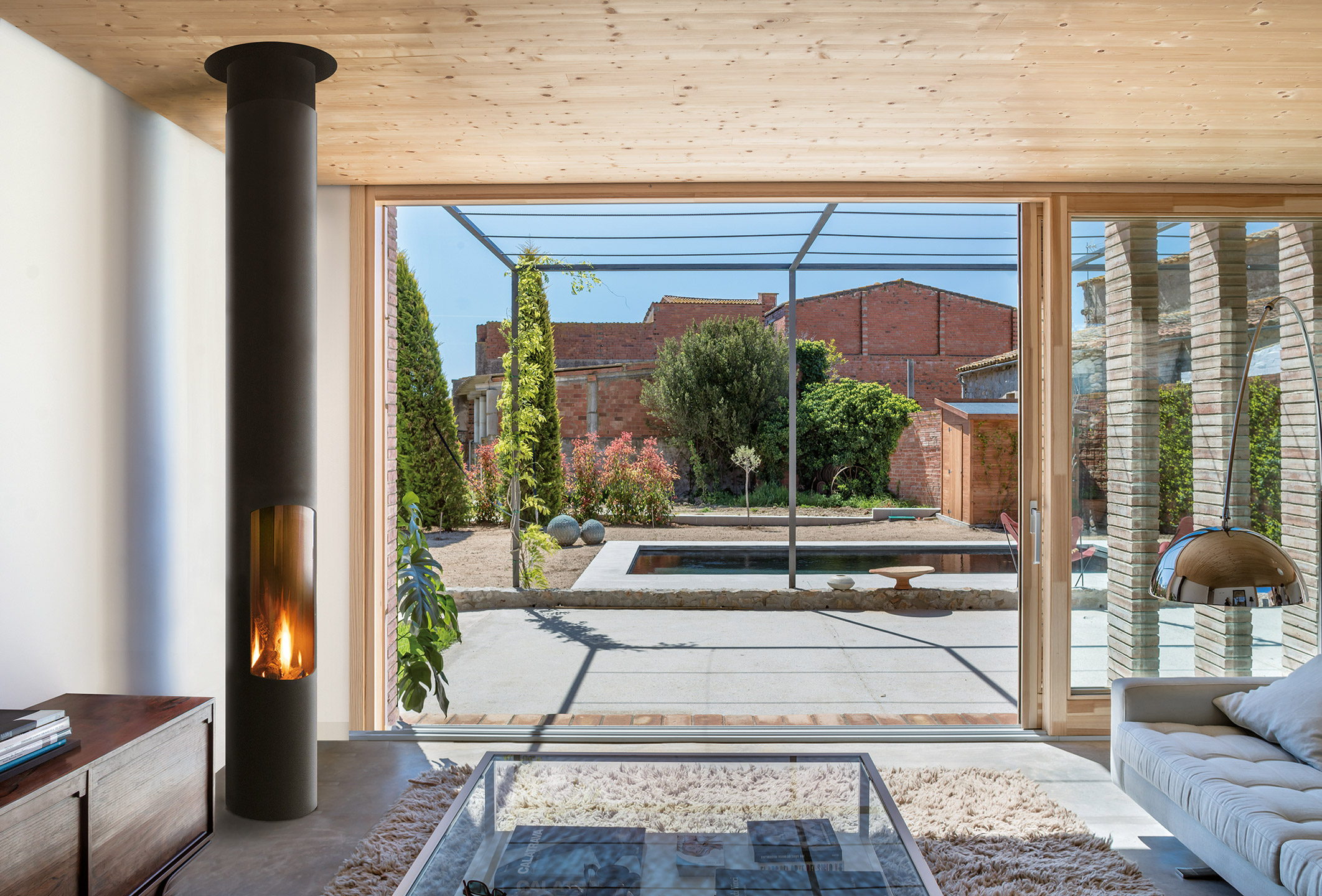 SLIMFOCUS WOOD ON BASE Central stove on a base
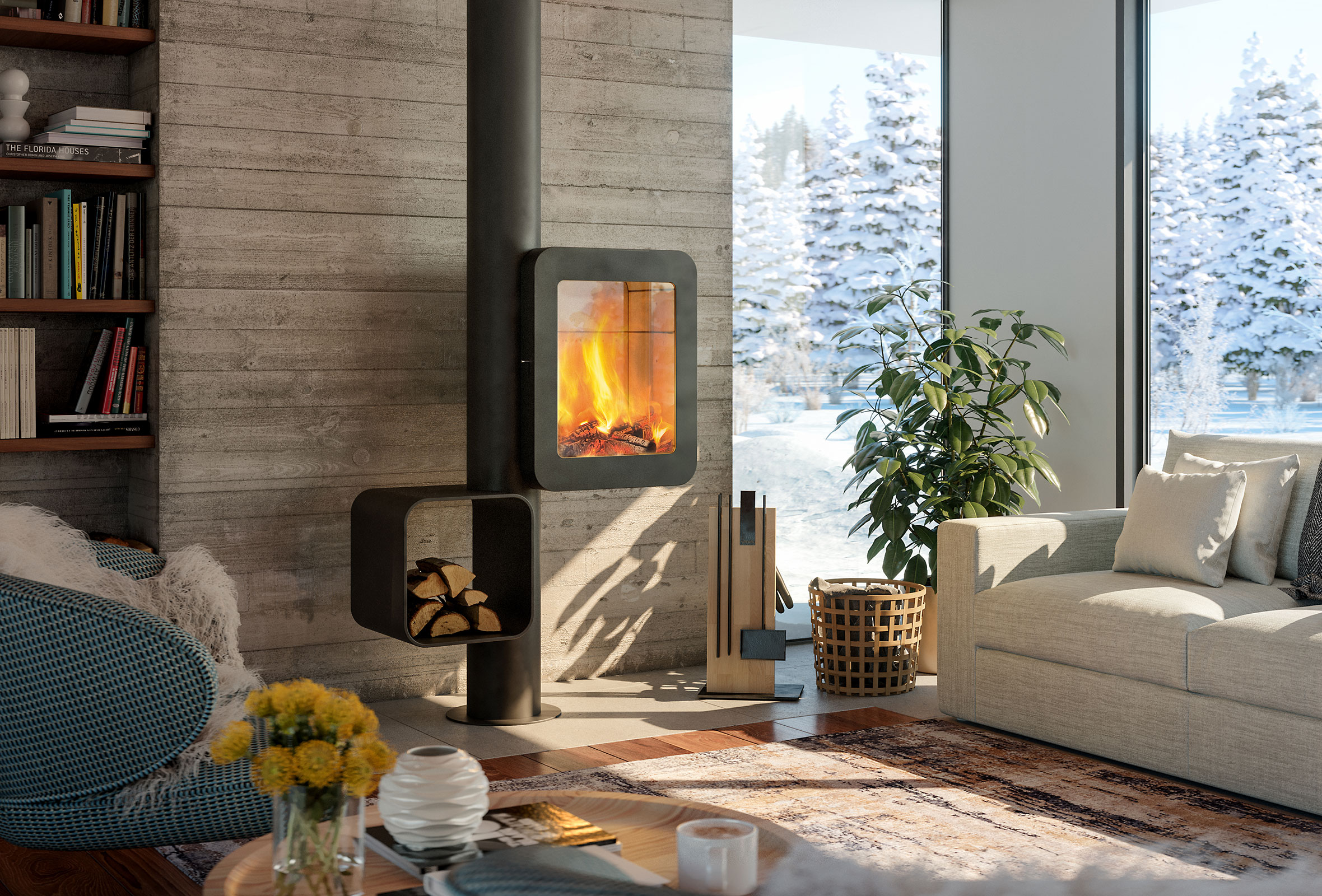 GRAPPUS WOOD Central stove on a base
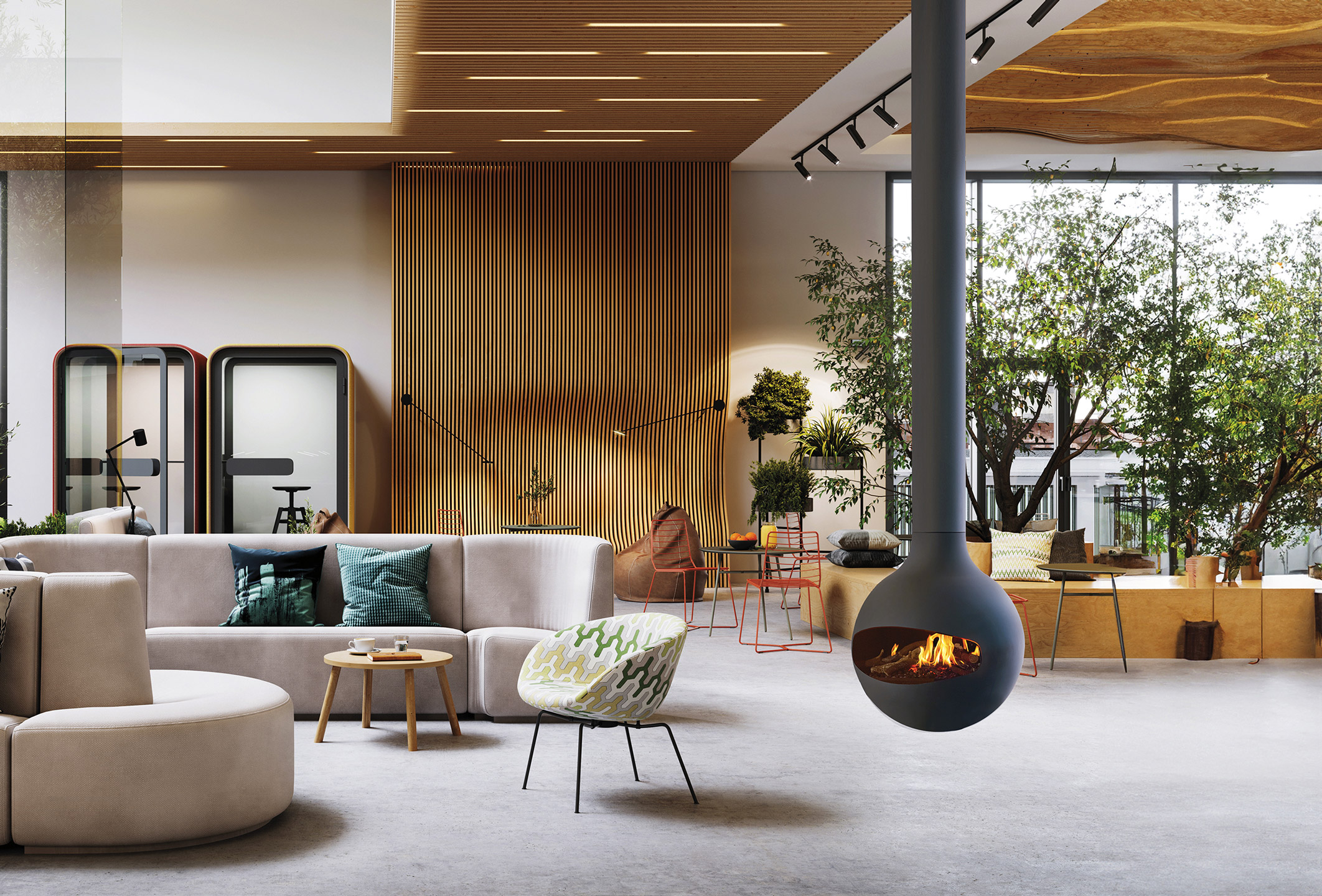
 Bathyscafocus Holographik® Central suspended pivoting model
 AGORAFOCUS WOOD Central suspended stove
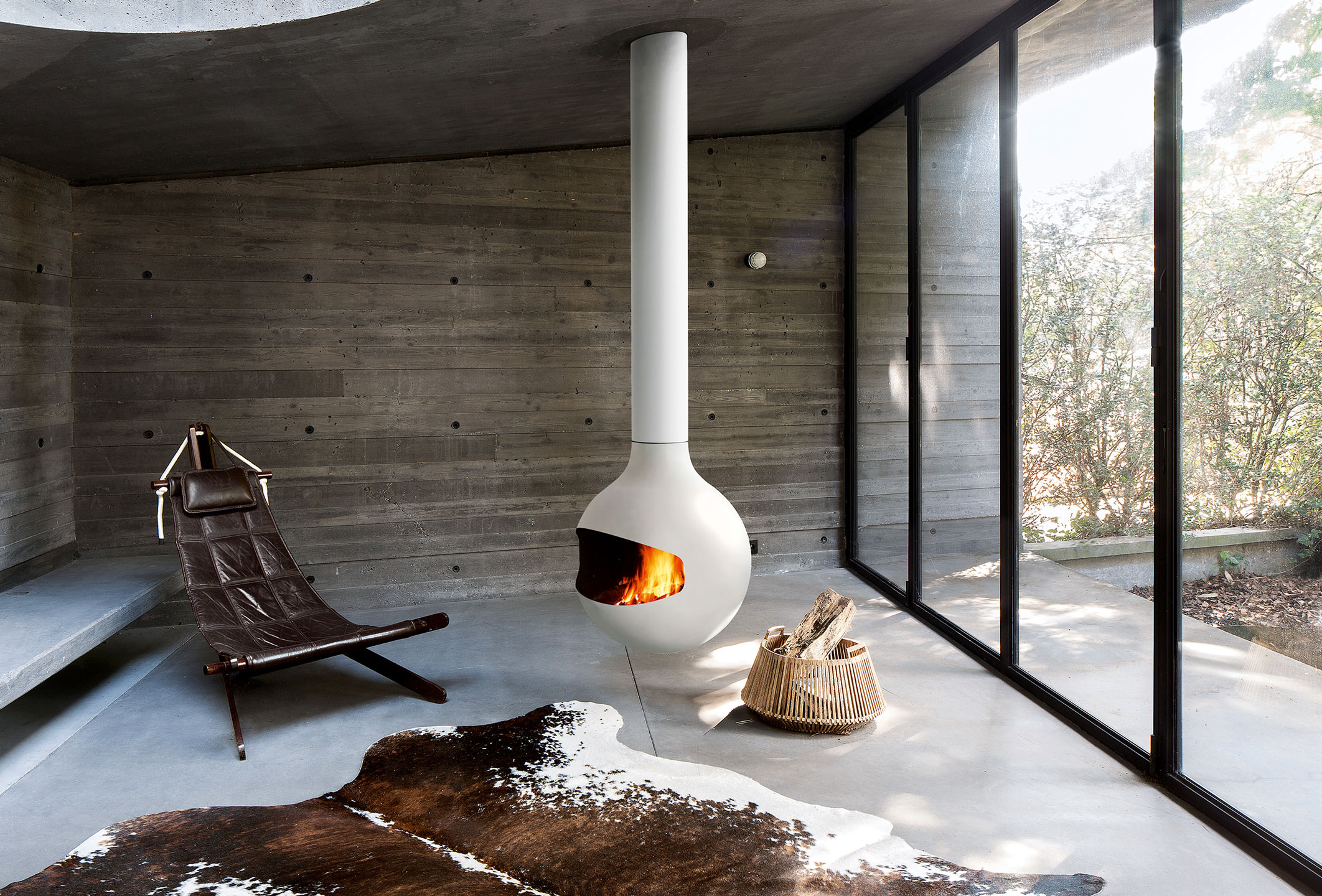 BATHYSCAFOCUS WOOD Central suspended pivoting model
 Gyrofocus bioethanol Central suspended pivoting model
 MEIJIFOCUS GAS Central model on a base
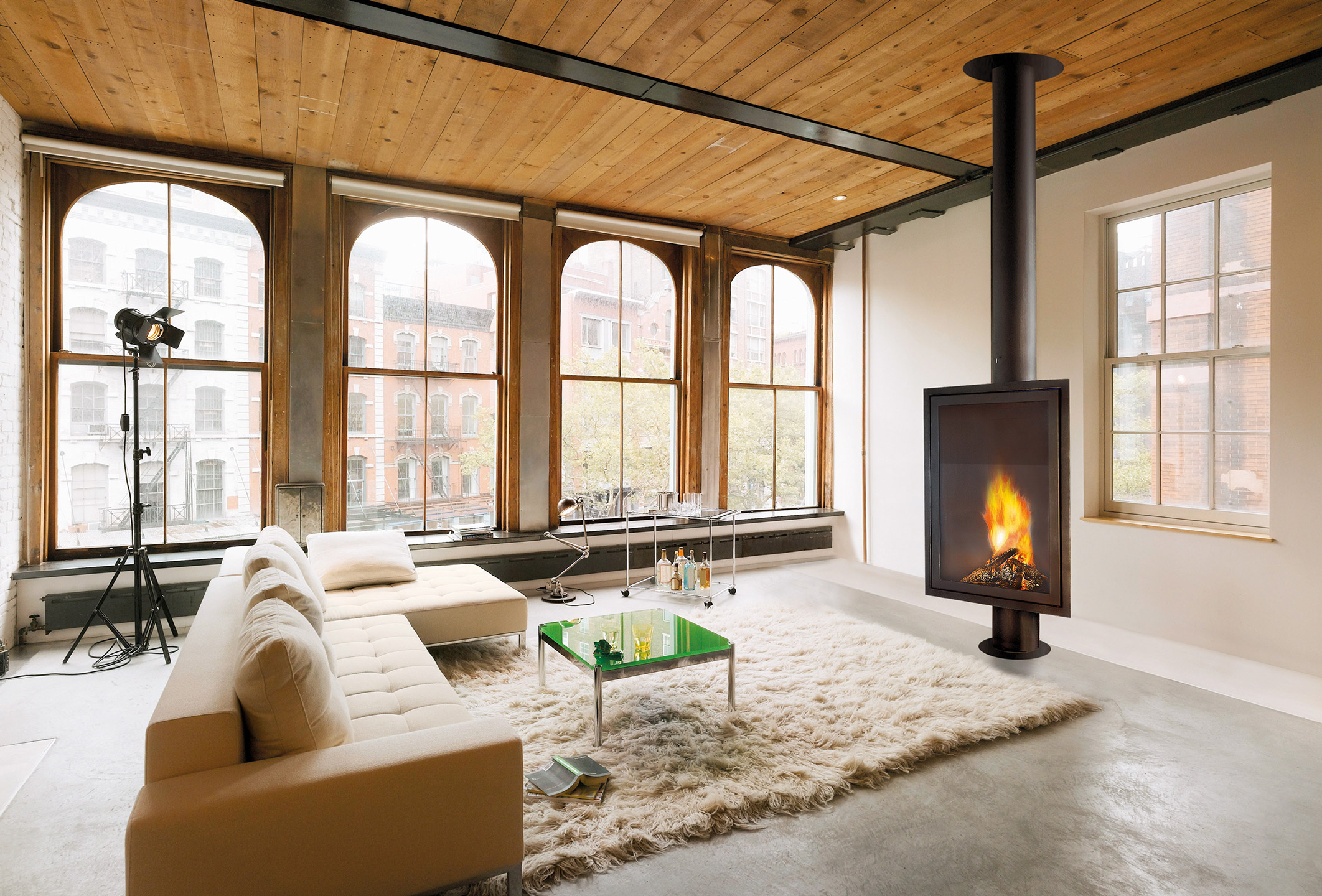 EUROFOCUS WOOD Central stove on a base
 Gyrofocus Gaz Central suspended pivoting model
 ERGOFOCUS HOLOGRAPHIK® Central suspended pivoting model
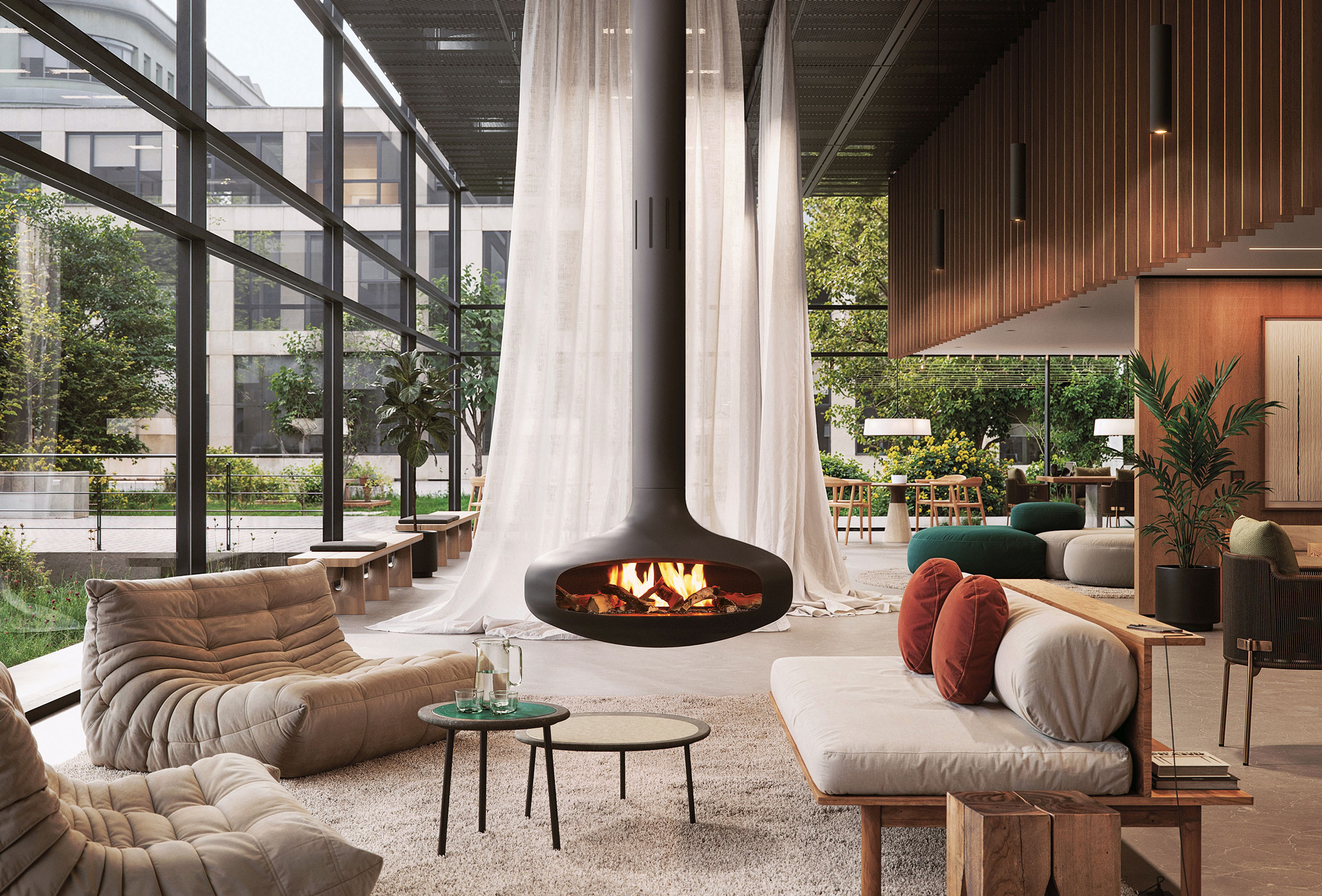 Domofocus bioethanol Central suspended pivoting model
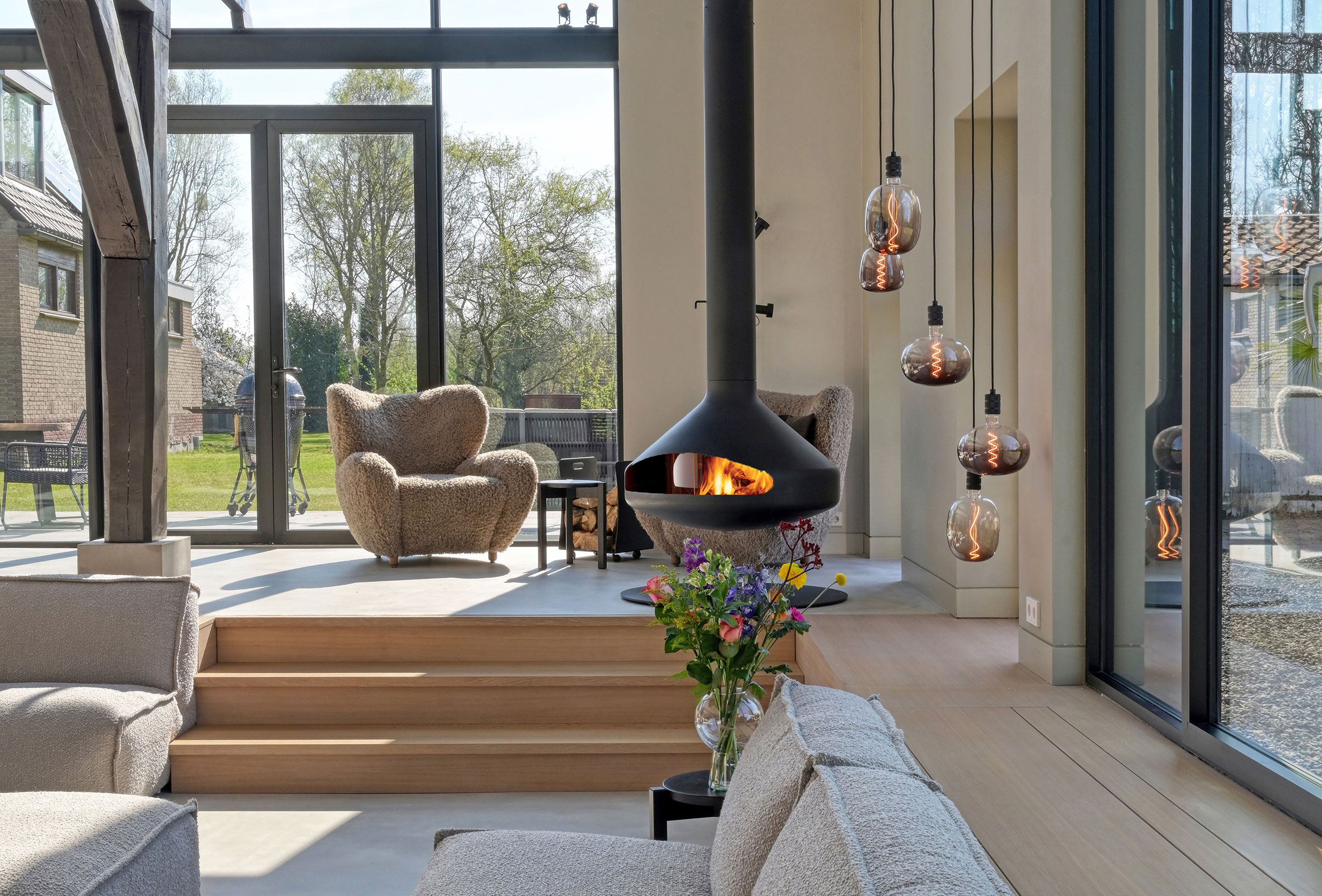 ERGOFOCUS WOOD GLAZED Central suspended pivoting stove
 SLIMFOCUS WOOD Central suspended stove pivoting or fixed stove
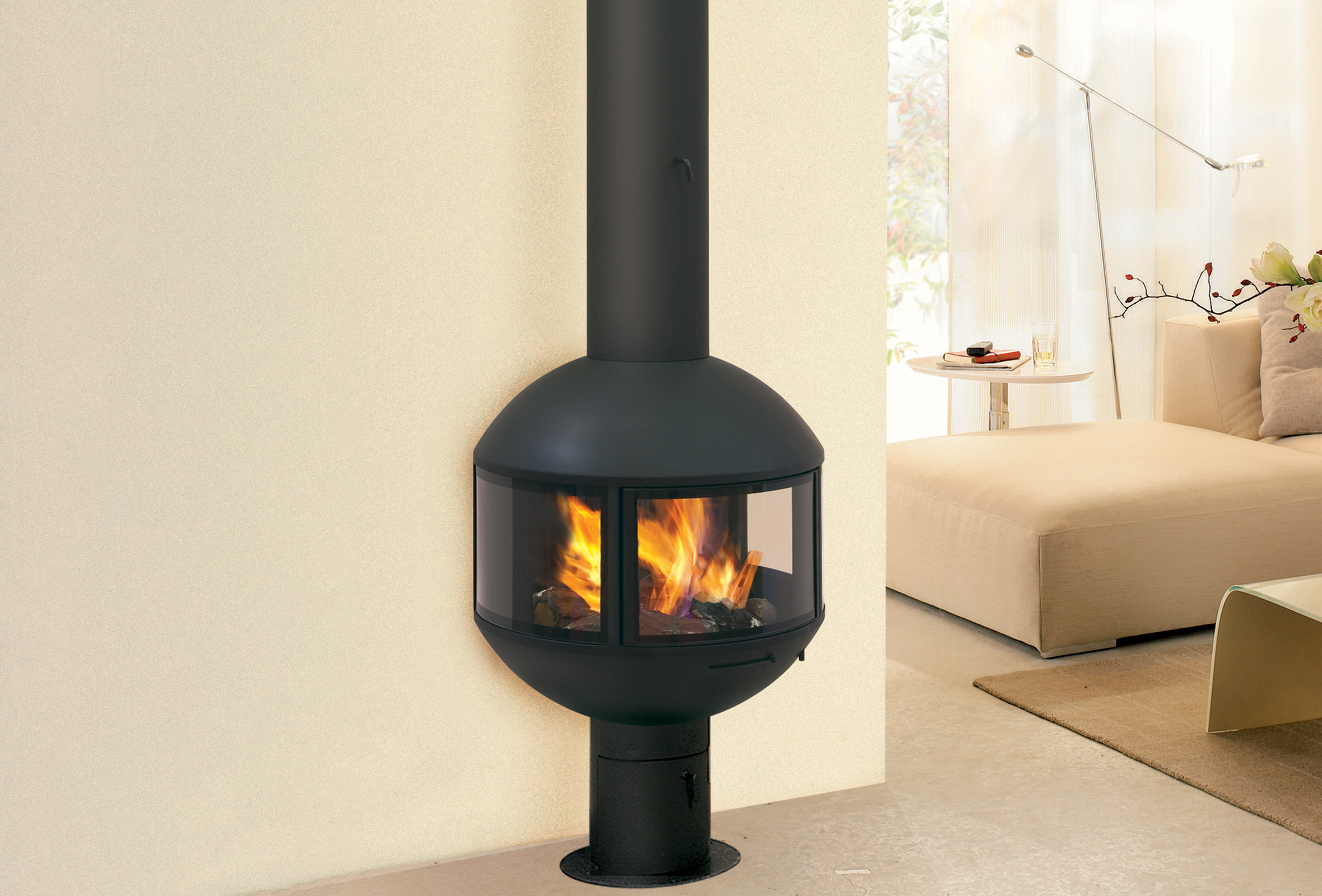 EDOFOCUS WOOD ON BASE Wall-mounted stove on a base
 BATHYSCAFOCUS wood porthole Central suspended pivoting stove
A fireplace can be beautiful without being truly design-led. It may appeal through its dimensions, materials or surround, without expressing any real reflection on the hearth, the fire or the space. A designer fireplace does not seek to accumulate ornament. It gives strength to form, material and the presence of fire.
The design of a fireplace also responds to contemporary uses: open living spaces, fluid circulation, choice of energy and operation of the appliance. Its form influences the visibility of the flames and the place of the hearth within the room.
Applied to the fireplace, design follows two paths: integration into the architecture or autonomous existence as a design piece. In this second case, the hearth has its own identity and must find its balance with the place that receives it.
A designer fireplace naturally creates a focal point. In a living room, it can become the element around which the furniture is arranged. In an open room, it can define a living area without partitioning it off. Even a compact model can have a strong presence if its position has been carefully considered.
A designer fireplace dialogues with the walls, openings, heights, materials and perspectives of the place. In an old house, it enhances stone through the contrast made possible by steel. In a contemporary interior, the sobriety of the lines extends the spirit of the place. A high ceiling can highlight a visible flue.
The position of a designer fireplace determines the circulation around the fire, the arrangement of the furniture and the way people settle in to contemplate its flames. It also influences perspectives, depending on whether the hearth is visible from the entrance, the living room, the dining room or an adjoining room.
The design of a fireplace also concerns the way fire is revealed. A hearth offers a different perception depending on its opening, orientation or number of glass sides. A see-through view does not produce the same effect as a frontal view.
The Focus vision began with Dominique Imbert. An artist and creator, he profoundly renewed the place of the fireplace within the home. He pursued a quest for lightness and the levitation of fire, driven by the desire to bring people together around the hearth. From the Antéfocus in 1967 to the Slimfocus in 2017, this search gave rise to a complete collection of models conceived as design pieces.
Steel occupies a central place in this approach. It makes it possible to give form to compact or sculptural hearths, horizontal, vertical or suspended. Each model has its own story and singular design.
The suspended models form the iconic heart of the Focus collection: Gyrofocus, Domofocus, Ergofocus, Agorafocus, Bathyscafocus and Slimfocus. The floor-standing models include creations such as the Grappus, Boafocus, Meijifocus, Eurofocus and Curvifocus, as well as adaptations of suspended models. Finally, the wall-mounted models are often variations of iconic models.
The way steel is worked changes the perception of the model: polished then painted, it accentuates a feeling of lightness; left raw, waxed and with visible welds, it gives the hearth a powerful presence.
Focus models are made in Cavaillon, in Provence, in a metalworks that grew out of a boilermaking workshop founded in 1892. It combines rare savoir-faire in metalworking, artisanal precision and industrial rigour. Its R&D laboratory enables Focus to reissue its icons to meet today’s requirements without altering their original design. This level of excellence is recognised by the Entreprise du Patrimoine Vivant label.
Created in 1968, the Gyrofocus holds a special place in contemporary design. Suspended and pivoting, it frees fire from the wall. In Europe, its ecodesigned closed wood-burning reissue received a special mention for sustainability at the Archiproducts Design Awards in 2021, as well as a German Design Award in 2023. In the United States, its gas version received the 2022 Muse Design Award and the 2023 Good Design Award.
Focus models have found their place in museums and artistic projects. The Ergofocus was exhibited at the Stockholm Museum of Modern Art. The Gyrofocus featured in Xavier Veilhan’s work “Le Feu”, presented at the Guggenheim Museum in New York in 1998. Karim Rashid integrated it into his “Ideal House”, and Dmitri Tcherniakov into the scenography of Mozart’s opera “Così fan tutte”.
A fireplace that has become a design piece is chosen in relation to the real place: ceiling height, proportions, flue route, visibility of the fire and safety distances. The Focus-authorized dealer advises, analyses the characteristics of the place and prepares the plans. Focus’s technical teams then validate feasibility before manufacturing.