A luxury fireplace is defined less by its price than by its rarity and singularity: a distinctive design signature, selected by leading architects, limited editions. At Focus, this cultural rarity comes with another requirement: preserving an iconic design created by a modernist artist, without ever distorting the original drawing through technological developments. Each model in the collection therefore combines heritage with technological prowess.

 MAGMAFOCUS GAS Central model on a base
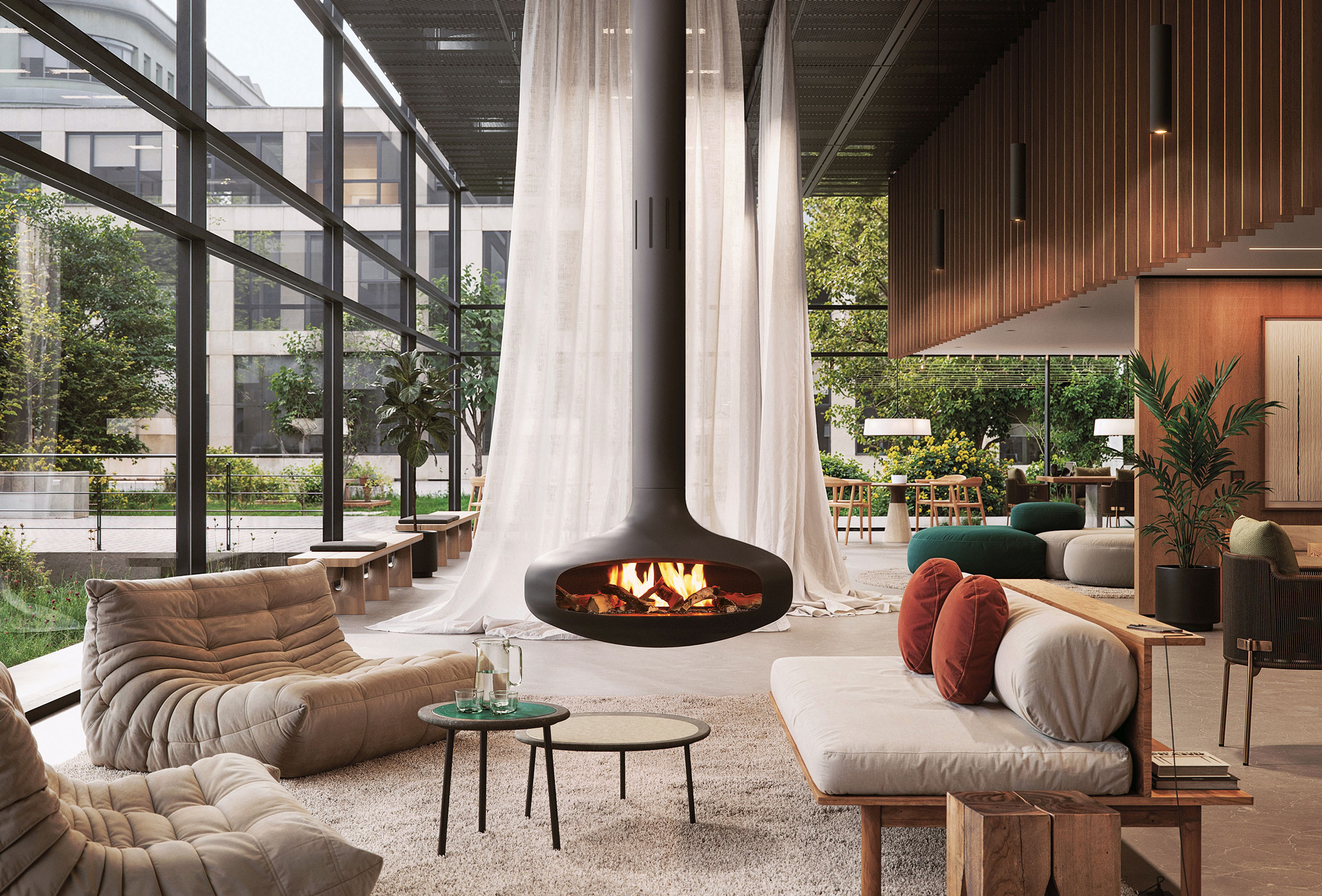
 Domofocus bioethanol Central suspended pivoting model
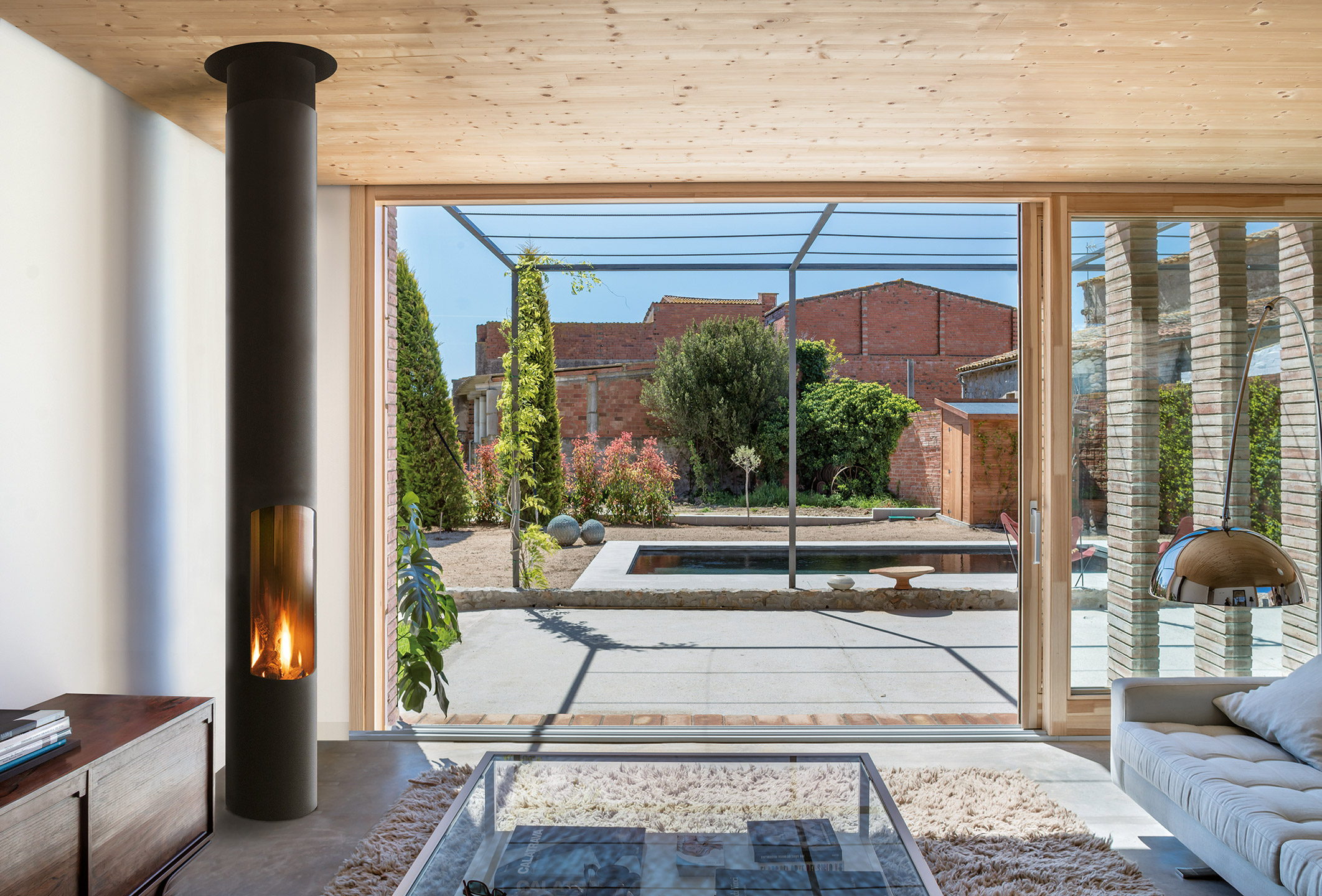
 SLIMFOCUS WOOD ON BASE Central stove on a base
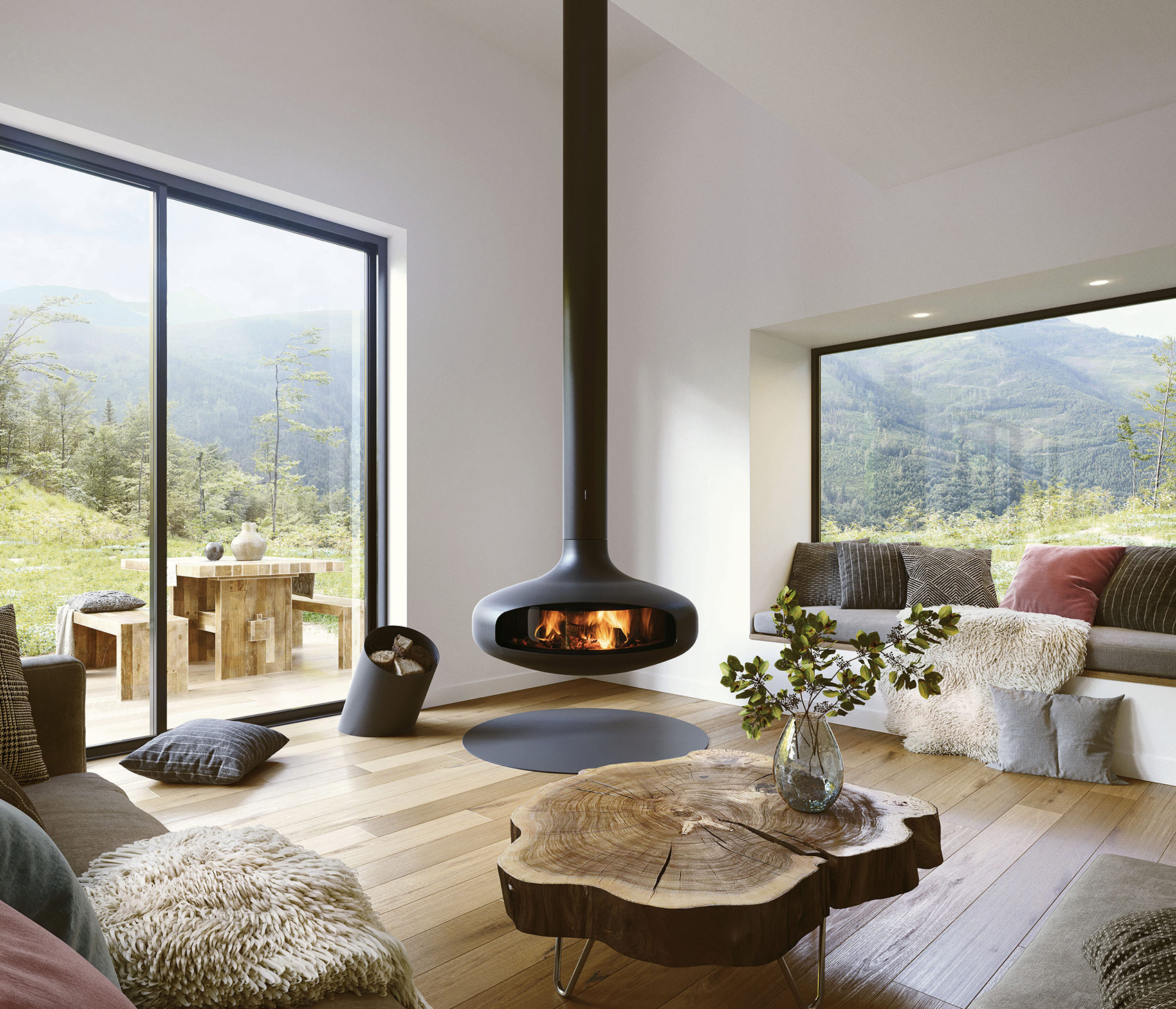 DOMOFOCUS WOOD GLAZED Central suspended pivoting stove
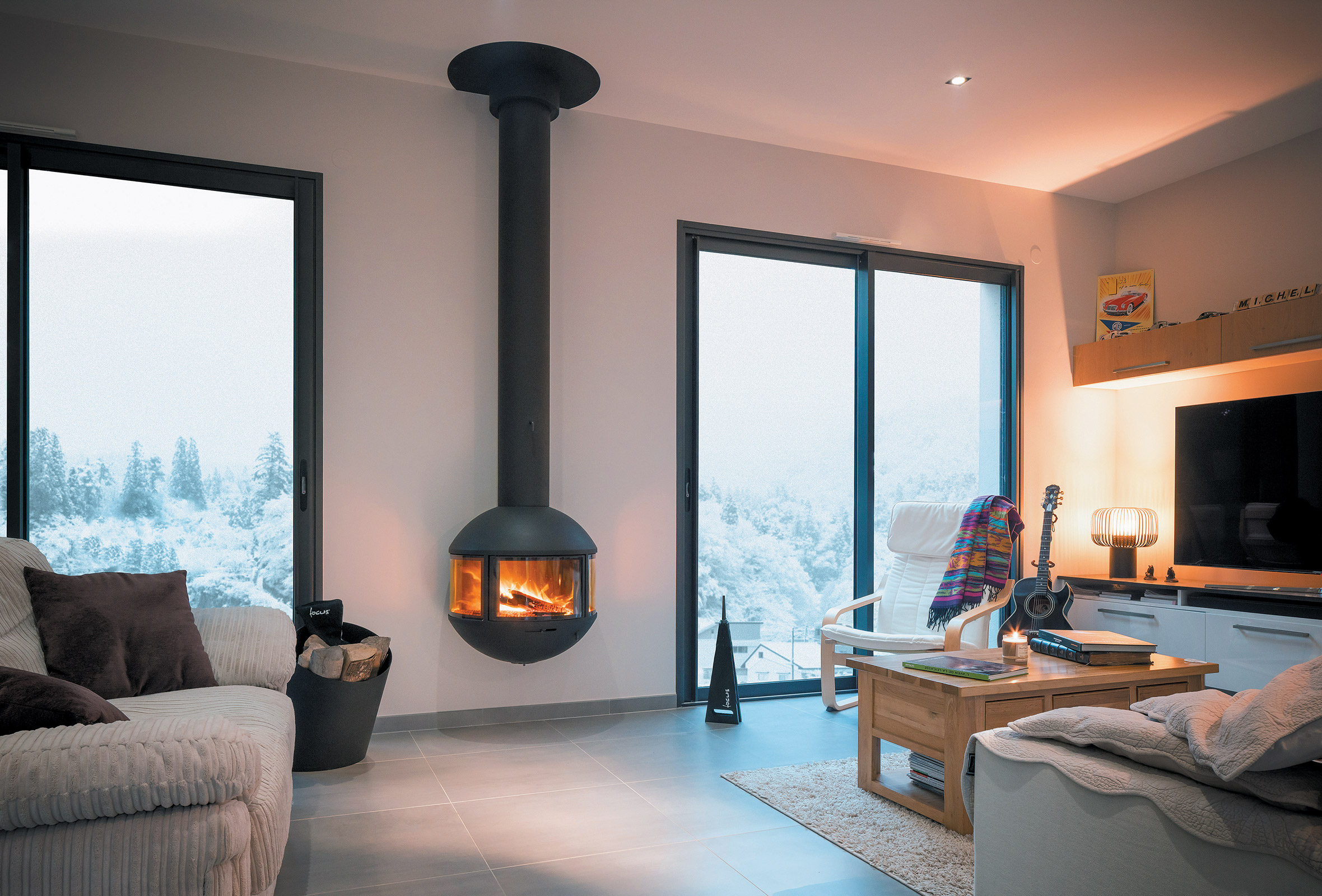 EDOFOCUS DV Wall-mounted suspended stove (Vertical Outlet)
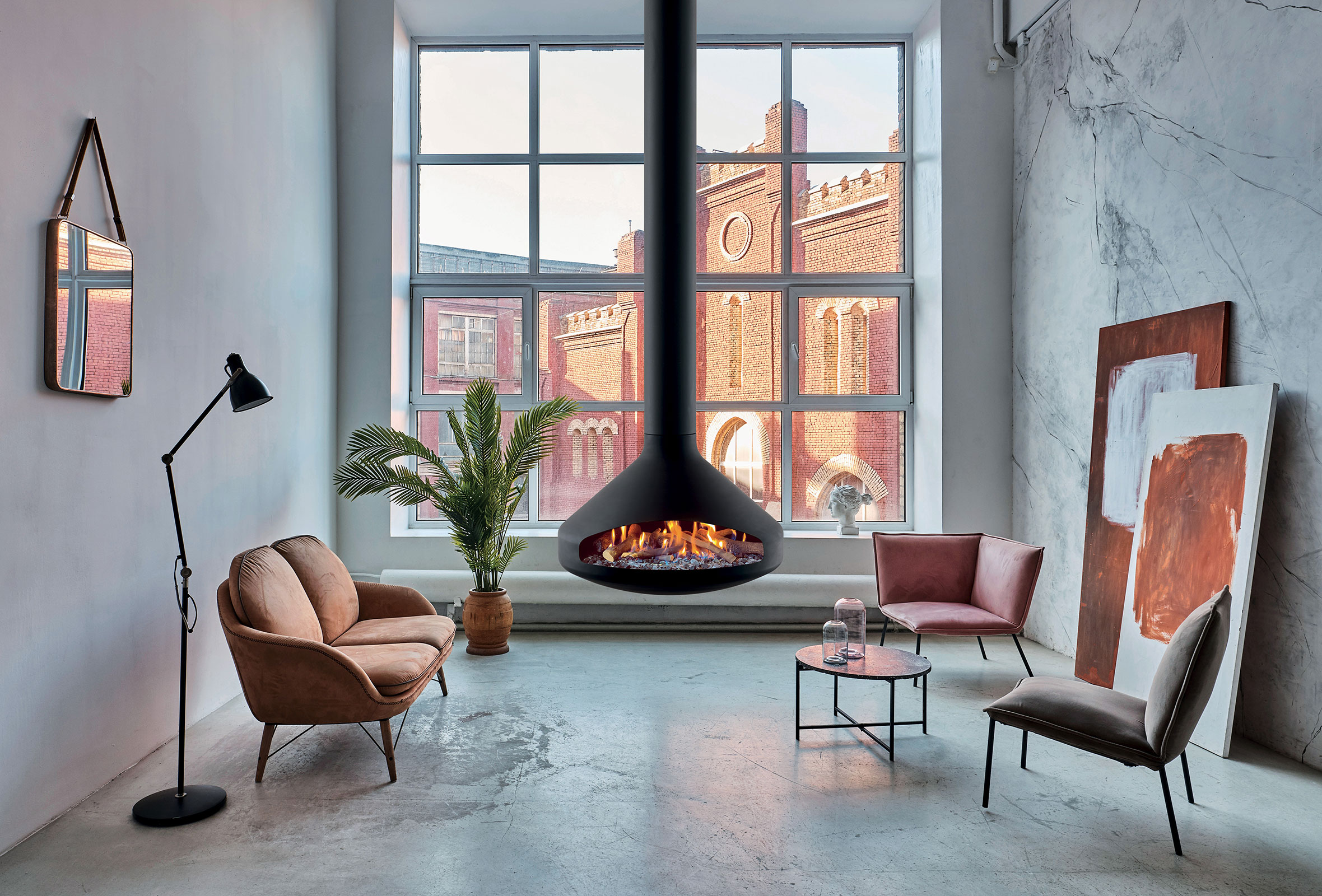 Ergofocus Gas Central suspended pivoting model
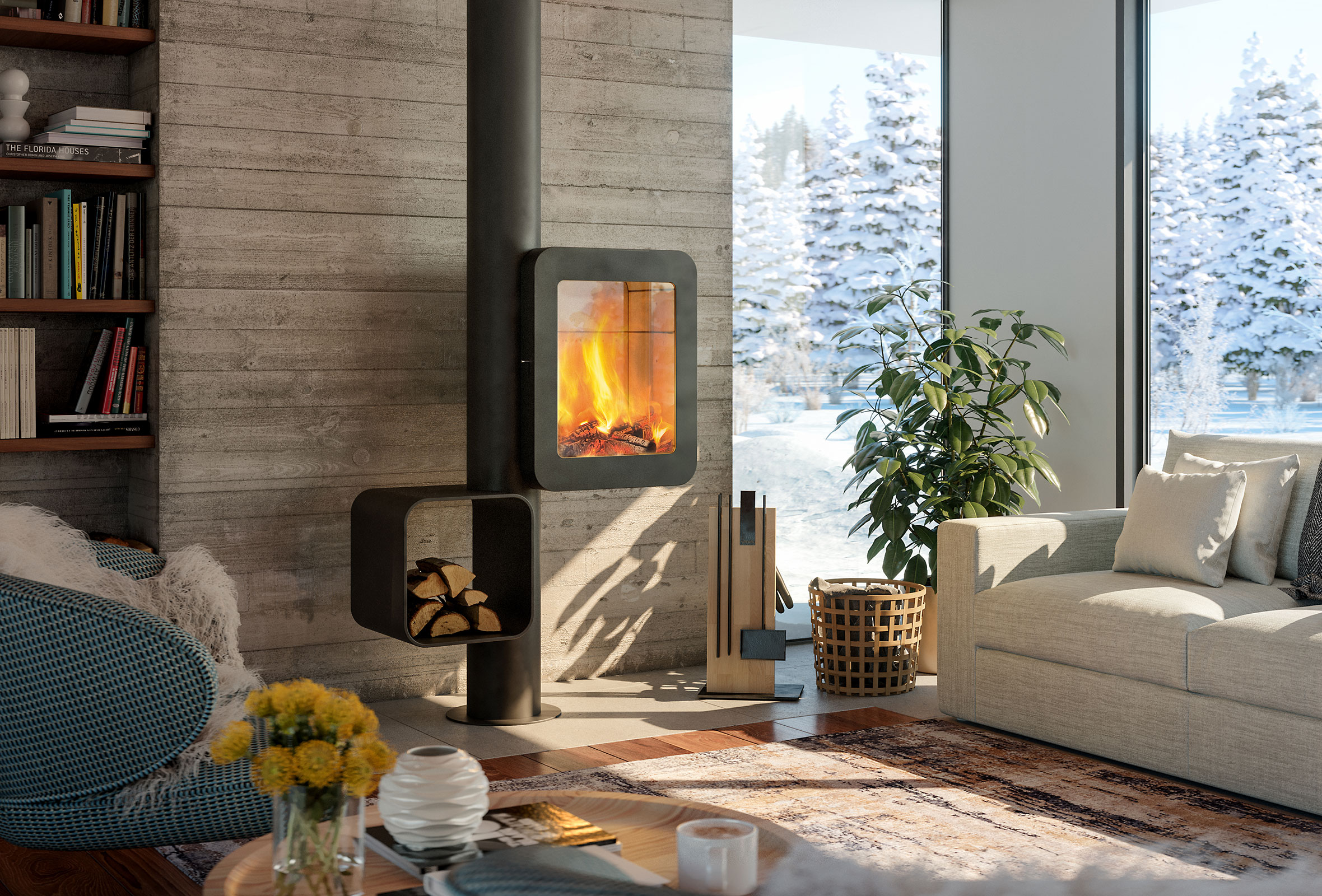 GRAPPUS WOOD Central stove on a base
 SLIMFOCUS WOOD Central suspended stove pivoting or fixed stove
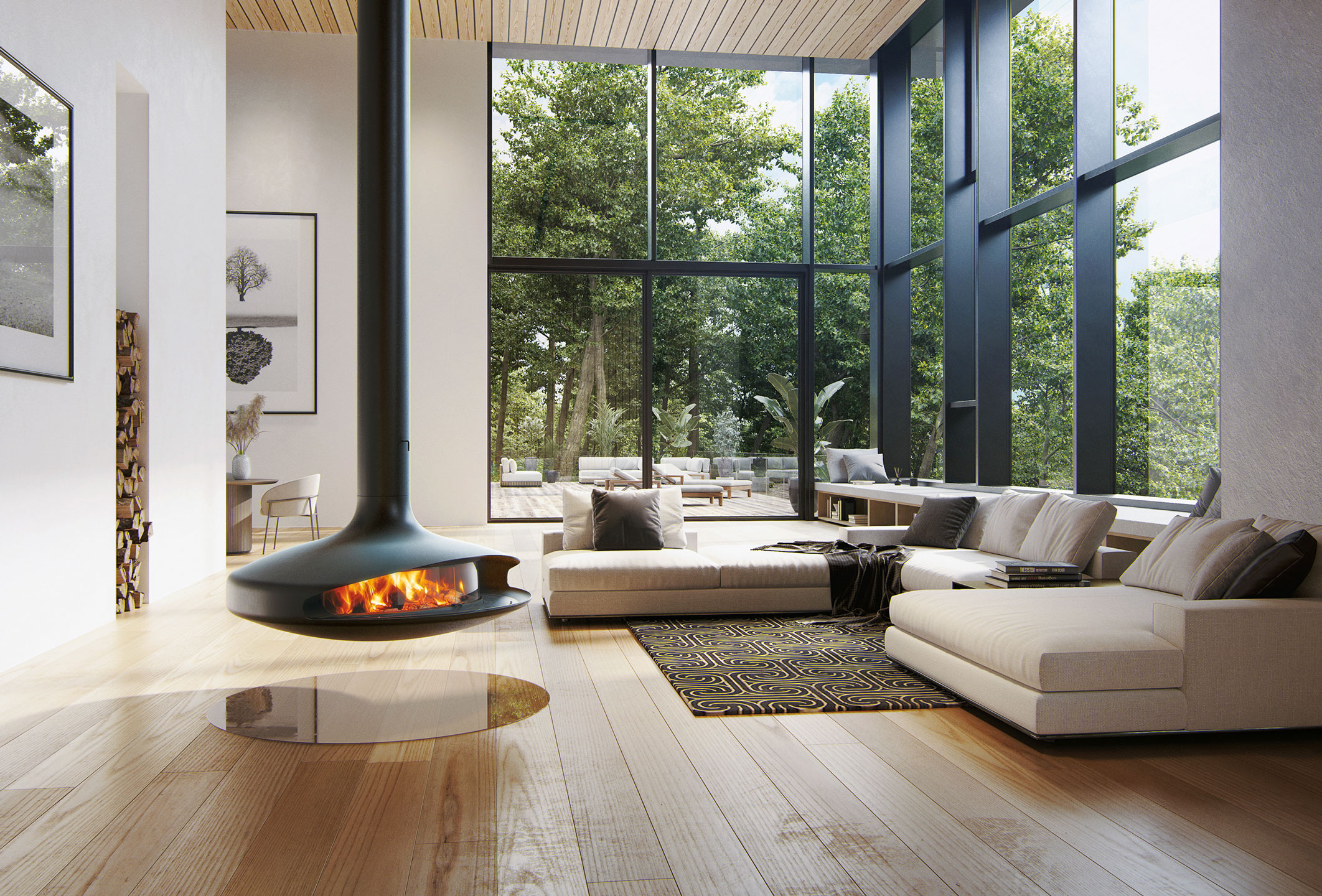 GYROFOCUS WOOD GLAZED Central suspended pivoting stove
 Gyrofocus bioethanol Central suspended pivoting model
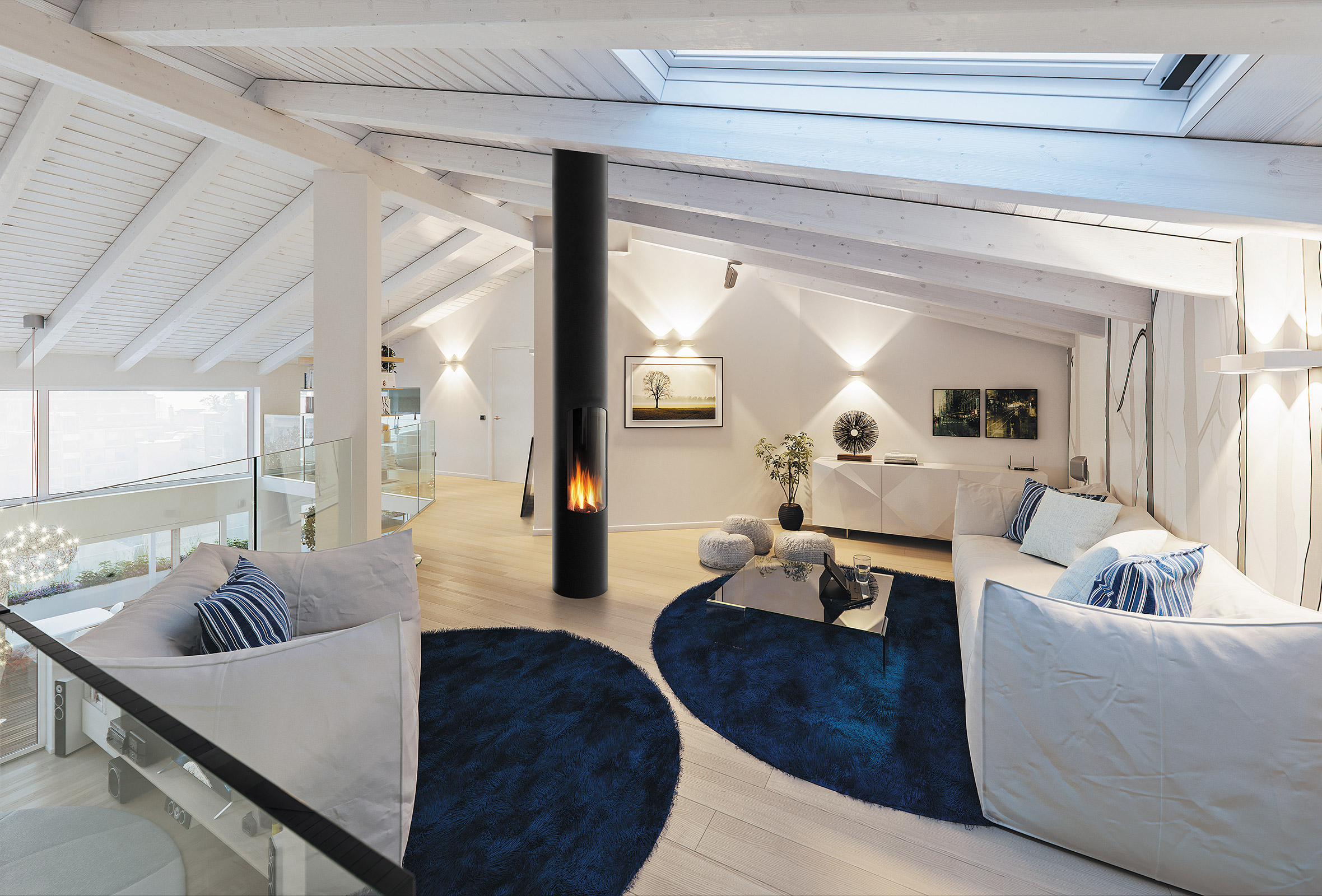 SLIMFOCUS GAS ON BASE Central stove on a base
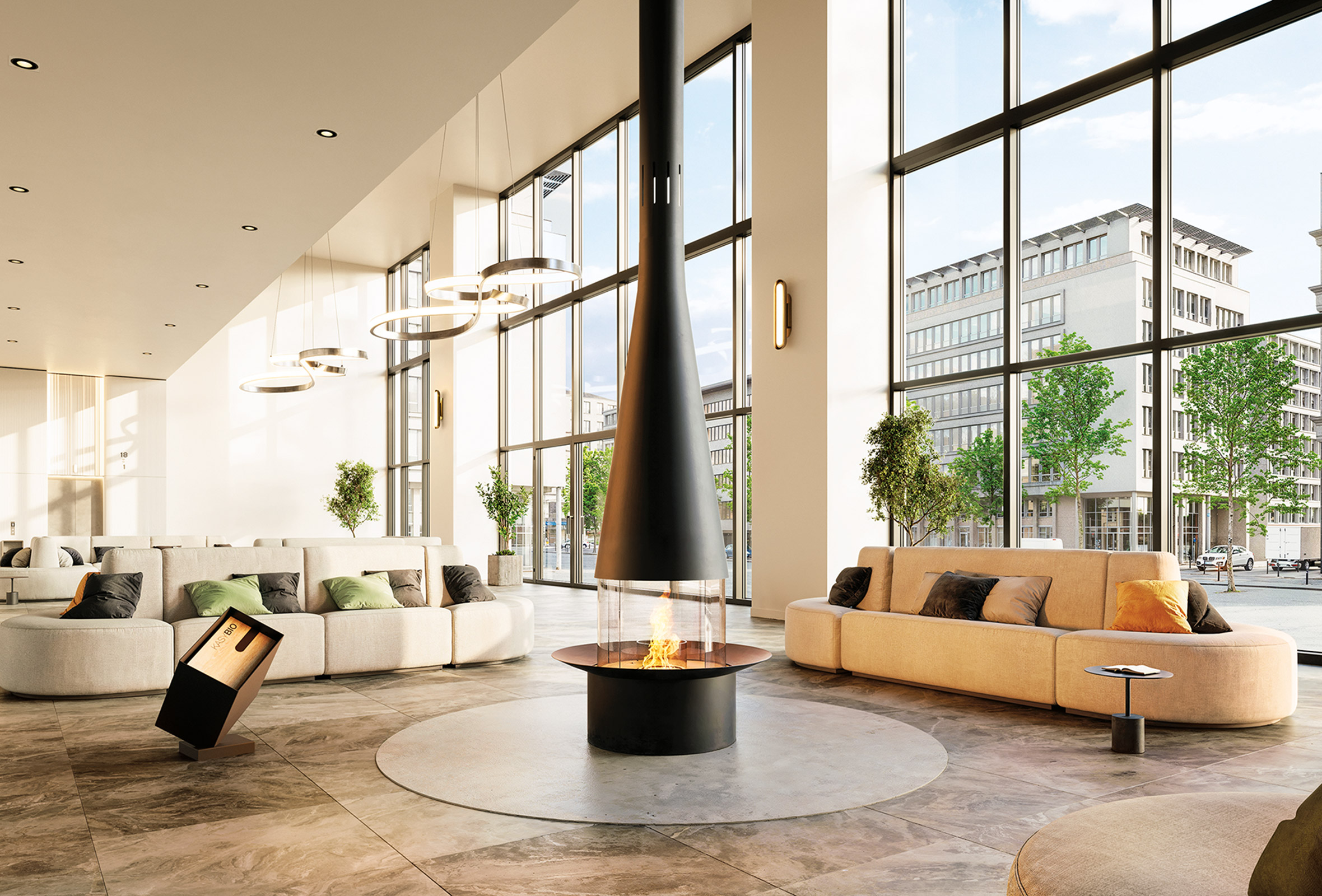 Filiofocus 1600 bioethanol Central model on a base
 Boafocus gas Central stove on a base
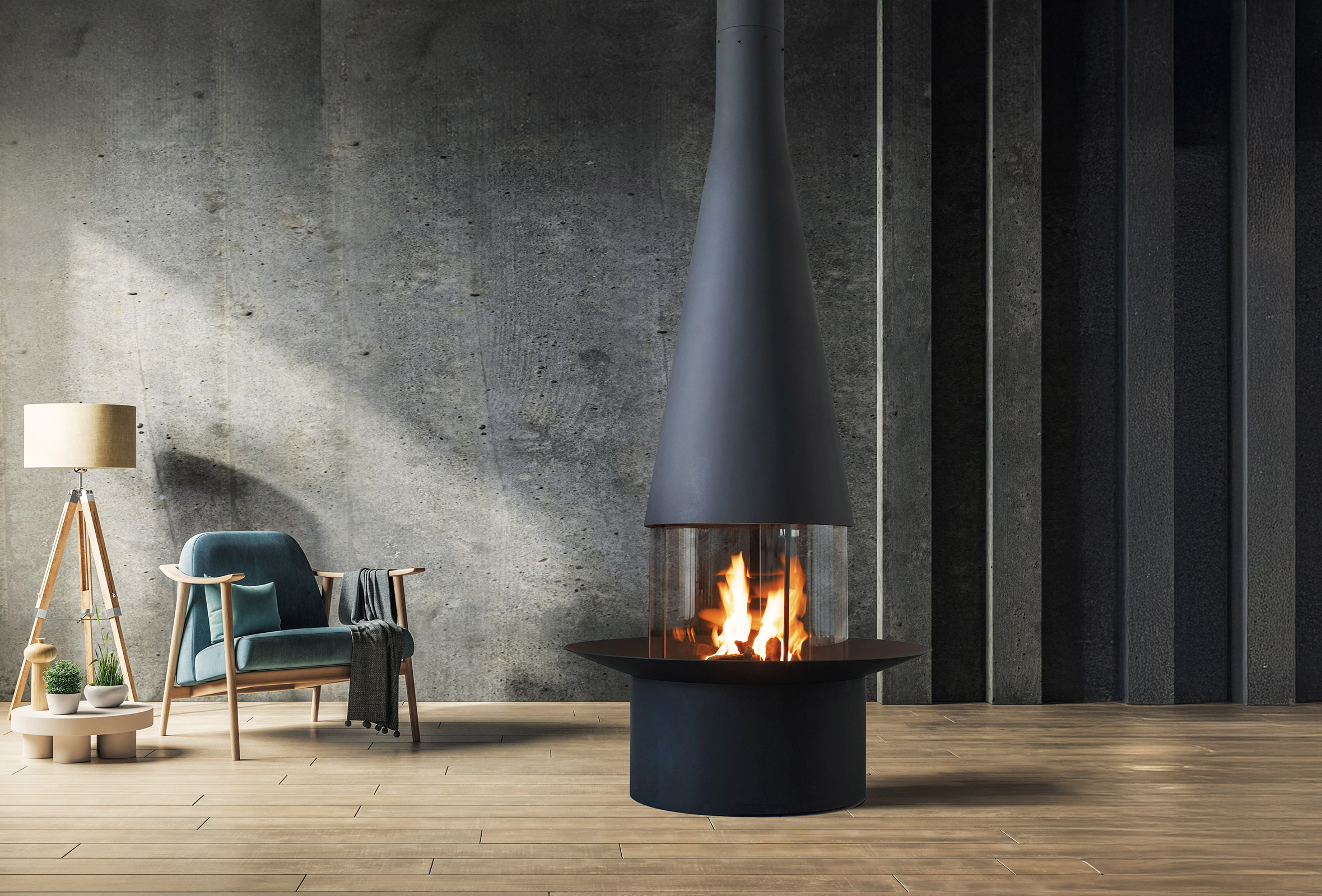 FILIOFOCUS 2000 gas Central model on a base
 MEIJIFOCUS GAS Central model on a base
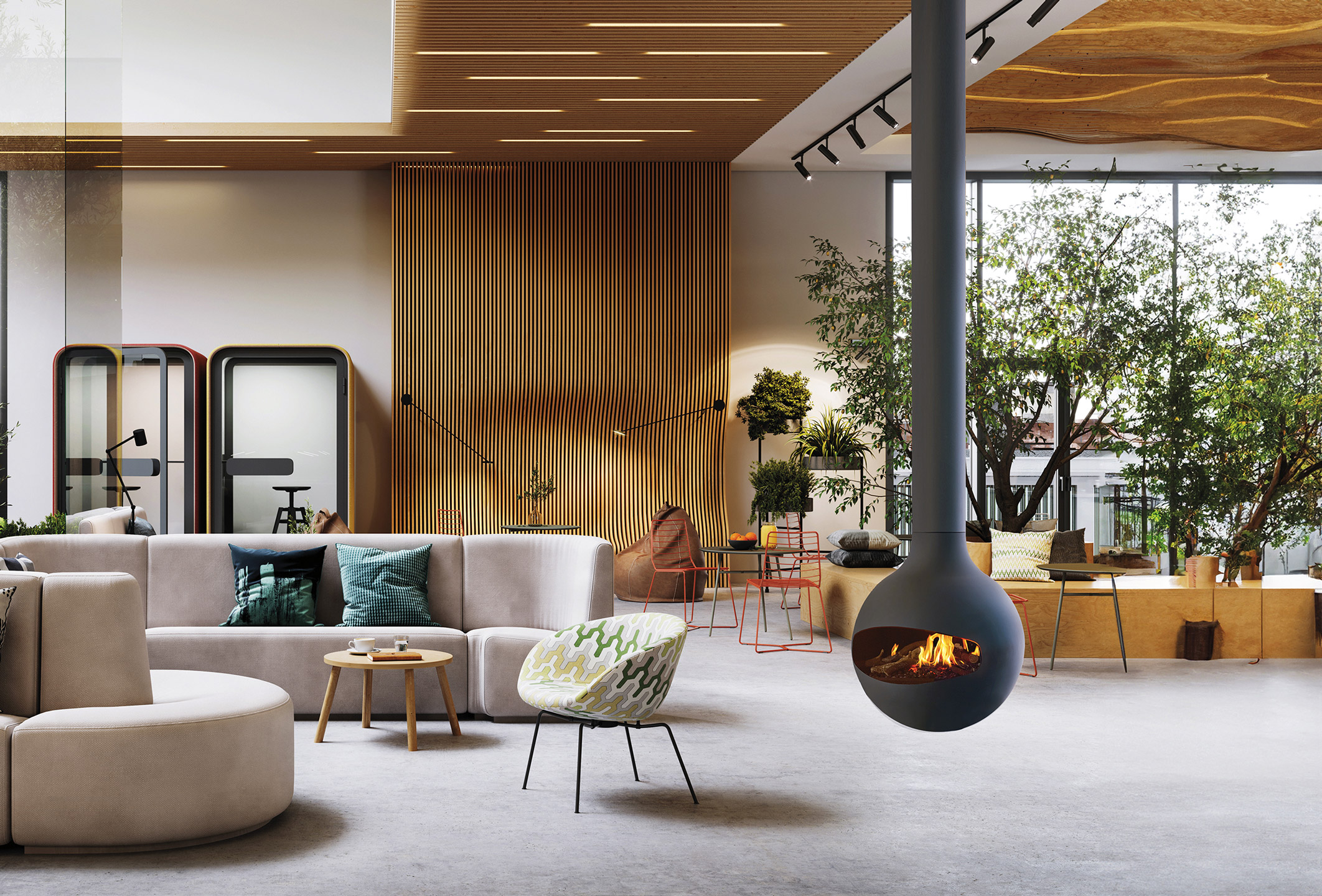
 Bathyscafocus Holographik® Central suspended pivoting model
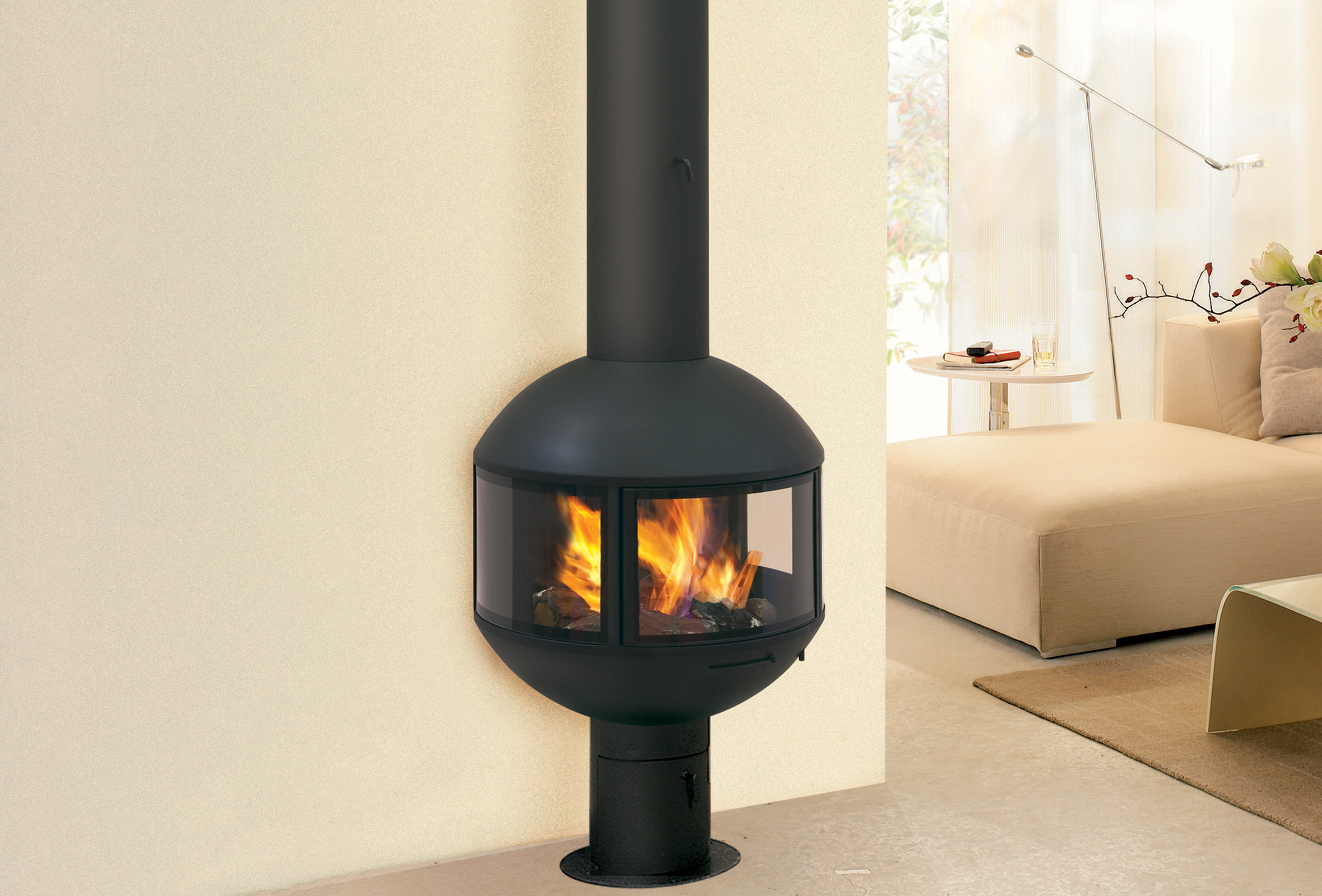 EDOFOCUS WOOD ON BASE Wall-mounted stove on a base
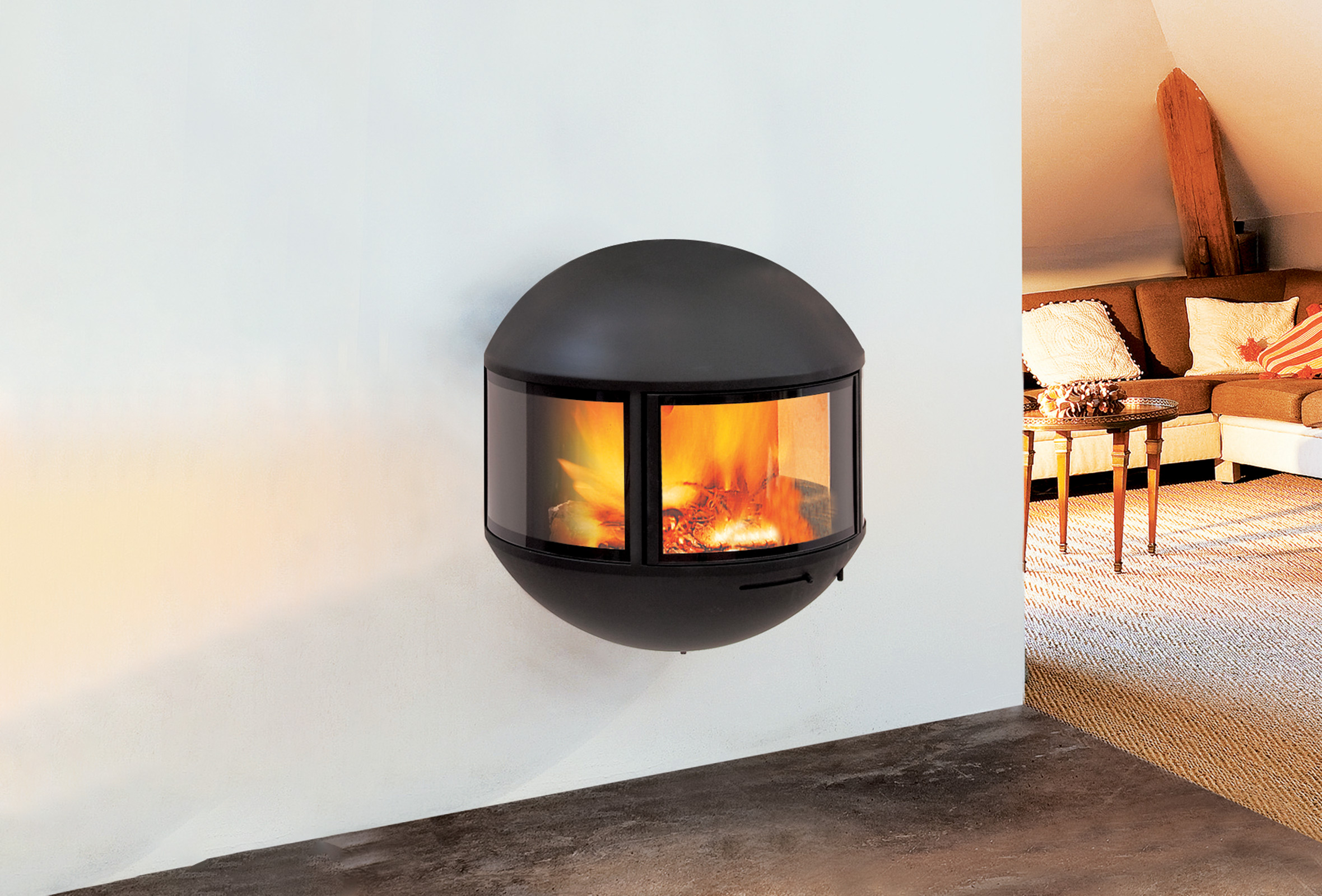 EDOFOCUS WOOD RO Wall-mounted stove (Rear Outlet)
 FILIOFOCUS 1600 GAS Central model on a base
 AGORAFOCUS WOOD Central suspended stove
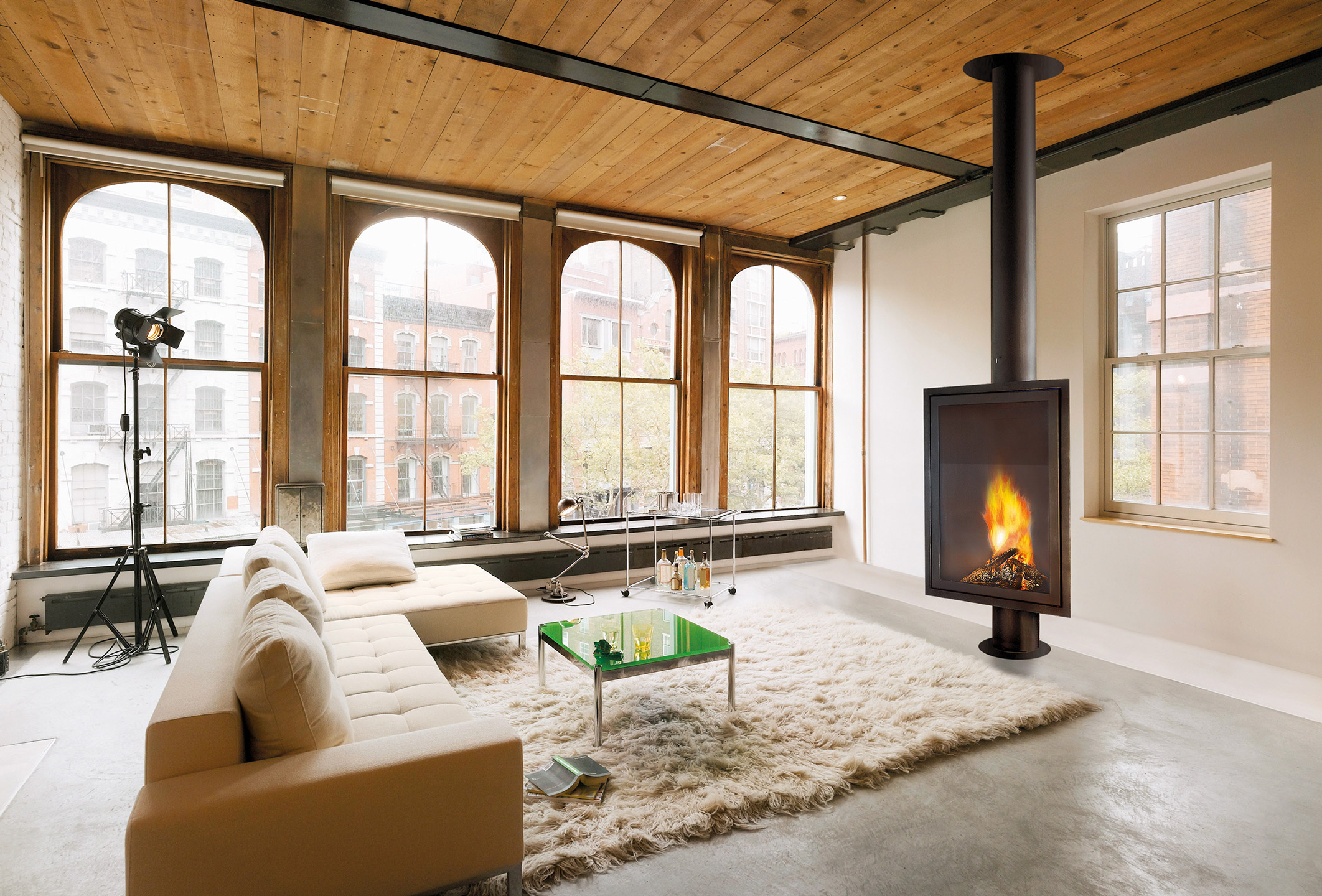 EUROFOCUS WOOD Central stove on a base
 ERGOFOCUS HOLOGRAPHIK® Central suspended pivoting model
 BATHYSCAFOCUS wood porthole Central suspended pivoting stove
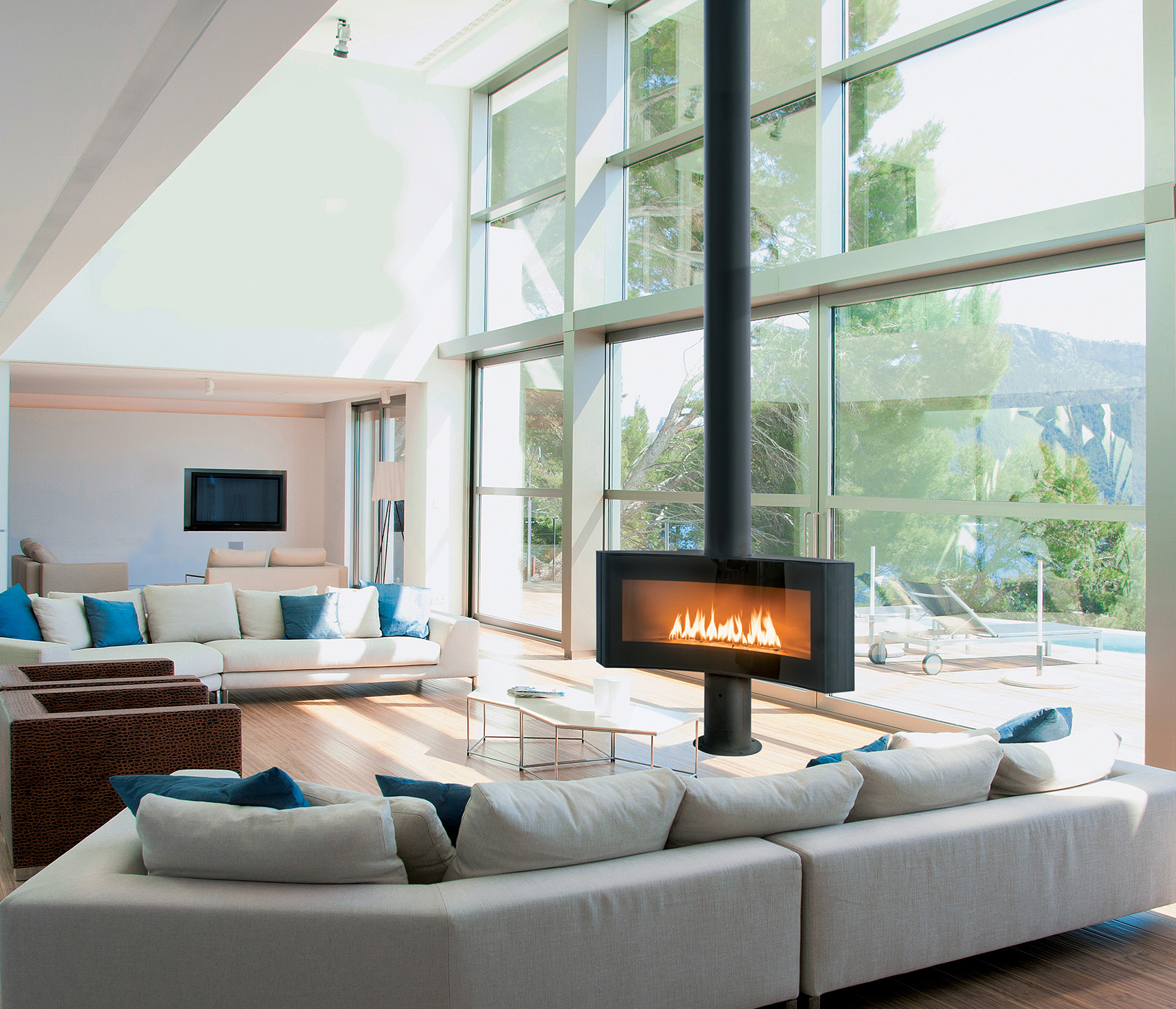 CURVIFOCUS GAS Central stove on a base
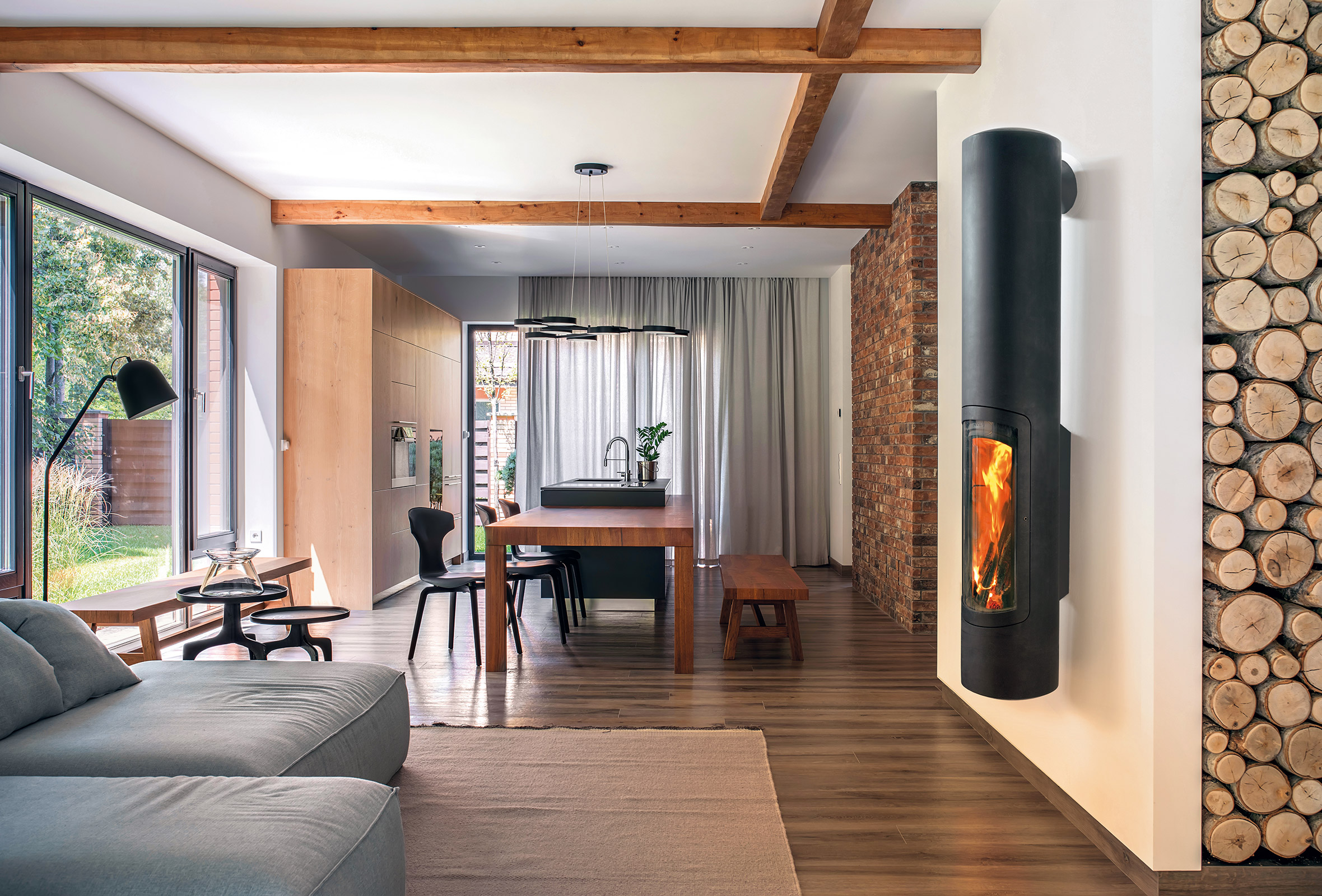 SLIMFOCUS WALL-MOUNTED Wall-mounted suspended stove
 Gyrofocus Gaz Central suspended pivoting model
 EMIFOCUS WOOD PORTHOLE Wall-mounted stove (Rear Outlet)
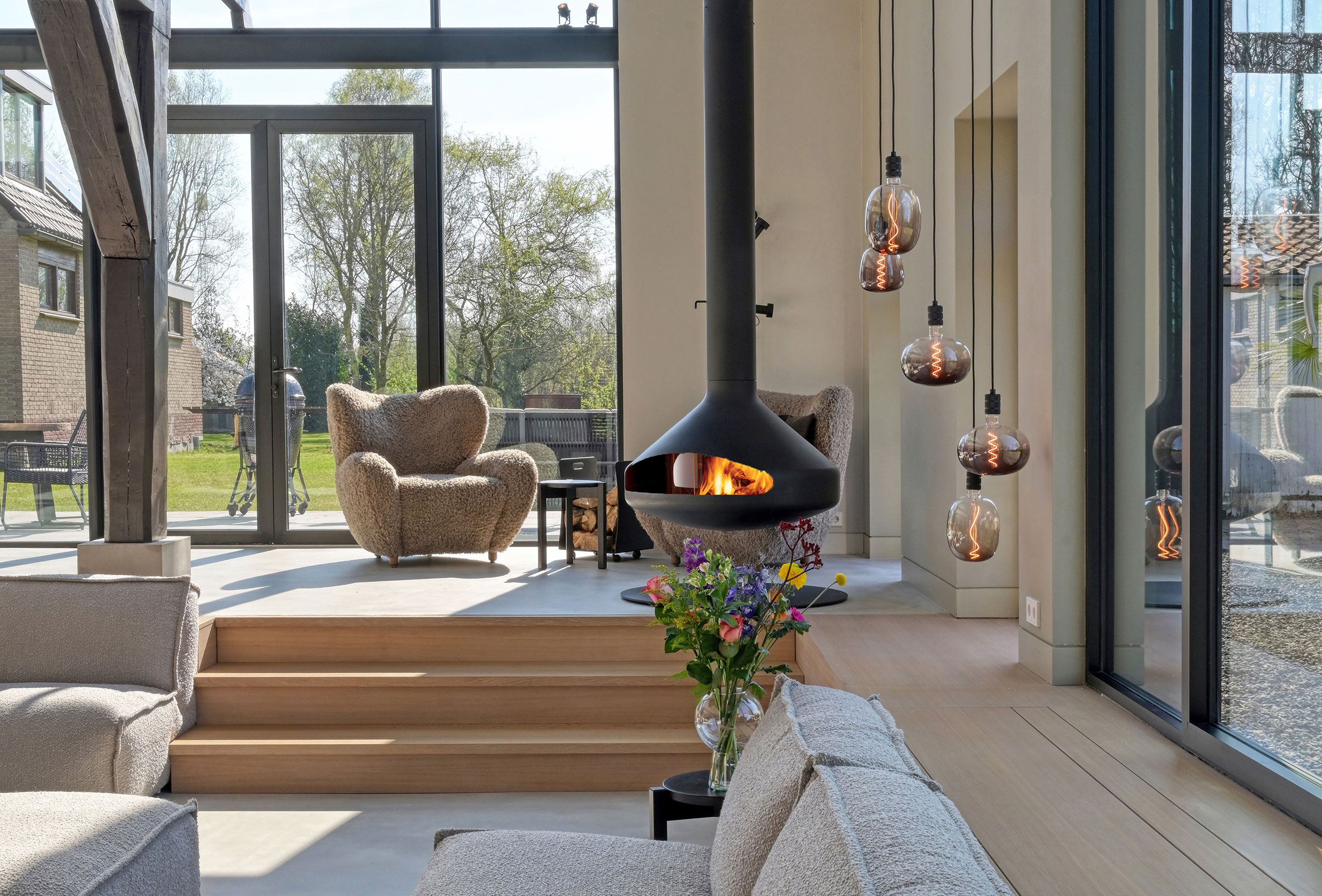 ERGOFOCUS WOOD GLAZED Central suspended pivoting stove
 BATHYSCAFOCUS GAS Central model on a base
 Ergofocus bioethanol Central suspended pivoting model
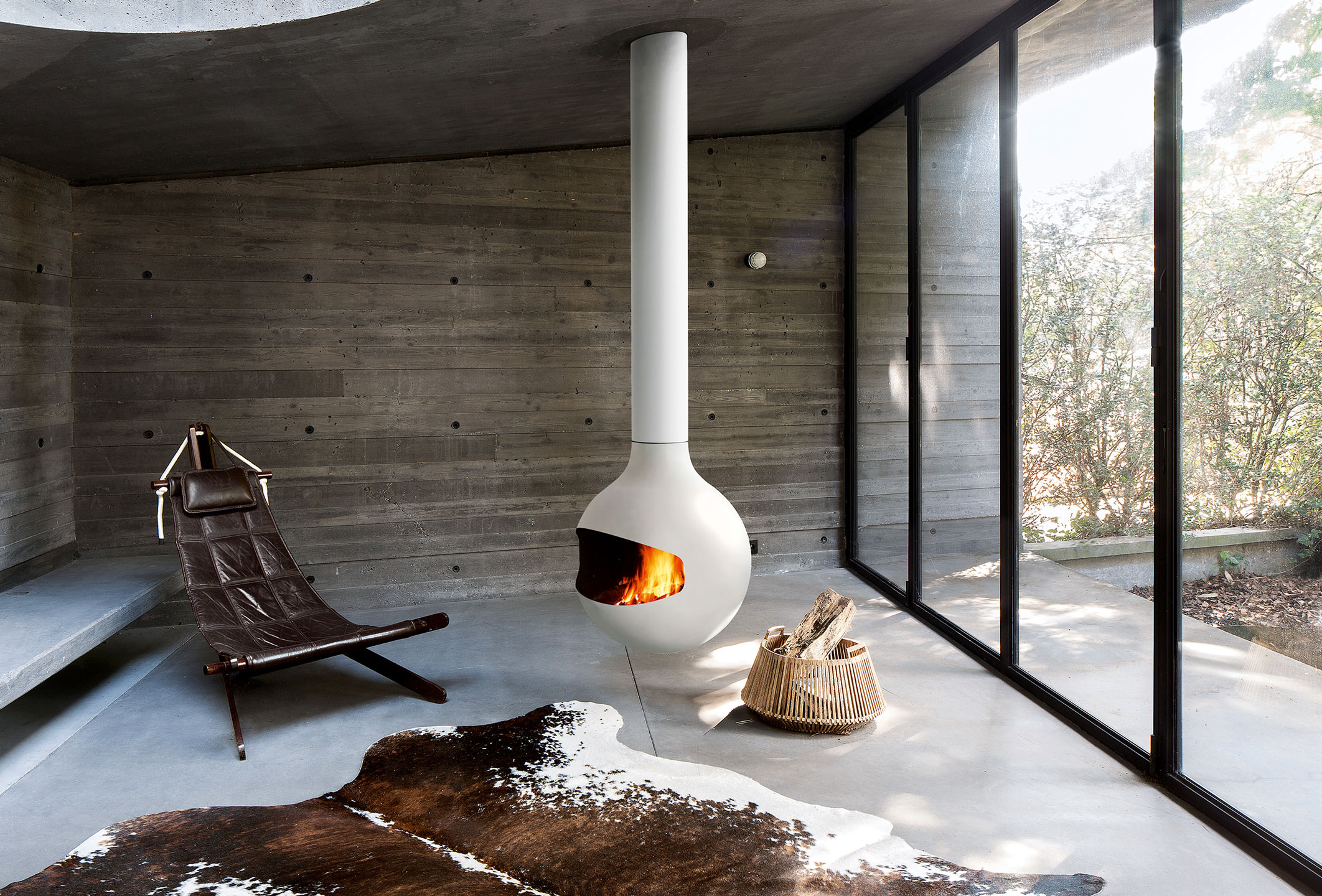 BATHYSCAFOCUS WOOD Central suspended pivoting model
Created in 1968, the Gyrofocus established itself as an organic form recognisable among all others: a diameter of 1.25 metres, suspended and pivoting. In 2009, it was voted one of the 10 most beautiful objects in the world in the Italian Pulchra competition, following an online vote involving 74,425 professional and non-professional voters. This recognition extends beyond the design world alone. Focus nevertheless remains a little-known brand, familiar chiefly to architects and aesthetes passionate about design and decoration. This low profile is also part of the definition of luxury: rarity recognised by peers rather than displayed.
In 2000, Norman Foster commissioned Focus to create the Filiofocus for one of his projects. In Norway, the Snøhetta agency — author of the Oslo Opera House and the 9/11 Memorial in New York — installed a Gyrofocus in the Wild Reindeer Observatory in 2011, in the heart of Dovrefjell National Park. Karim Rashid integrated the Gyrofocus into his “Ideal House”, exhibited at the Cologne furniture fair in 2004. These choices are not commercial partnerships: they show architects integrating Focus into their own architectural language, as they would a recognisable piece of furniture acknowledged on the international design scene.
Four models stand apart from regular production: the Antéfocus (1967), the first model forged by Dominique Imbert; Prométhée (1975), a sculpture inspired by the myth of the Titan; Hétérofocus (1988), with its asymmetrical design; Magnifocus (1993), a steel monolith crossed by a hand-executed tear. Unlike the smooth, matt-black finishes that characterise the current collection, these pieces retain visible welds and a waxed finish. Made to special order, they bear witness to the implementation of rare savoir-faire, perpetuated by the craftspeople at Focus’s French manufacture, awarded the Entreprise du Patrimoine Vivant label in 2023.
Steel, shaped in Focus’s own modernist idiom, lends itself effortlessly to every setting. It easily dialogues with marble, stone, glass or noble woods already present in a room, without ever competing with them or seeking to impose itself upon them. This controlled neutrality explains why a Focus fireplace integrates equally well into a classical interior or contemporary architecture. The finishes — matt black, white, or rusted effect for outdoor models — extend this sobriety and make it easier to combine with very different materials.
Focus’s design vocabulary remains exclusively contemporary, without any reference to the classical forms of the traditional fireplace. This requirement runs through the entire collection, which currently includes around twenty models in the catalogue. Each piece asserts a sculptural dimension, shaped by carefully studied proportions and the precision of the finishes, with no added decoration.
The suspended and 360-degree pivoting typology — with continuous rotation — remains the identity signature of the Focus collection: it frees the hearth from the wall and makes it possible to orient the fire towards different points in the room.
Focus also offers fully glazed hearths that provide a 360-degree view of the fire: the Agorafocus, Meijifocus and Filiofocus, for example, allow the fire to be seen from every perspective in the room.
Other models, such as the Emifocus and Edofocus — two references to Japan — are designed for wall-mounted installation; each creation in the collection thus carries its own story, right down to its name.
The collection is therefore available as a suspended fireplace, a central fireplace, or a wall-mounted fireplace.
The Gyrofocus illustrates this continuity: its glazed wood-burning reissue, in line with the Ecodesign 2022 requirements, preserves the design and 360-degree rotation of the original model. Its gas version, launched in 2020, also retains the same silhouette with a 100-degree rotation, due to the gas supply through the flue. Domofocus and Ergofocus follow the same logic: the form remains identical, whatever the energy. This requirement — evolving the technology without touching the design — allows models conceived several decades ago to respond to current uses.
The collection was originally wood-burning. Over the years, the models have been reissued: wood-burning according to Ecodesign regulations, gas, bioethanol or electric Holographik®. The icons — Gyrofocus, Domofocus, Ergofocus and Filiofocus 1600 — are now available in bioethanol, with Aluflam by Ignisial Paris fuel, without fragrance or colourant. The Ergofocus and Bathyscafocus are available in an electric Holographik® version, with no combustion: an image of animated flames is projected onto optical glass, in a setting of ceramic logs. Each energy responds to a different use or market. The design, however, is always preserved.
An exceptional architectural project integrating a Focus fireplace is most often led by an architect. The Focus-authorized dealer supports the project as a fireplace specialist. They know the regulations and safety rules, and carry out the installation according to best practice. Focus technical teams validate feasibility before manufacturing. This collaboration, between architectural vision and technical expertise, contributes to the success of the project.