A metal fireplace is a fireplace whose hearth and visible structure are made of metal, primarily cast iron or steel. Here, metal is more than a technical material: it shapes the hearth's form, its volume and its presence in the space. Dominique Imbert, a sculptor, has worked metal in many forms and chose steel to shape every model in the Focus fireplace collection .

 BATHYSCAFOCUS GAS Central model on a base

 BATHYSCAFOCUS wood porthole Central suspended pivoting stove
 FILIOFOCUS 1600 GAS Central model on a base
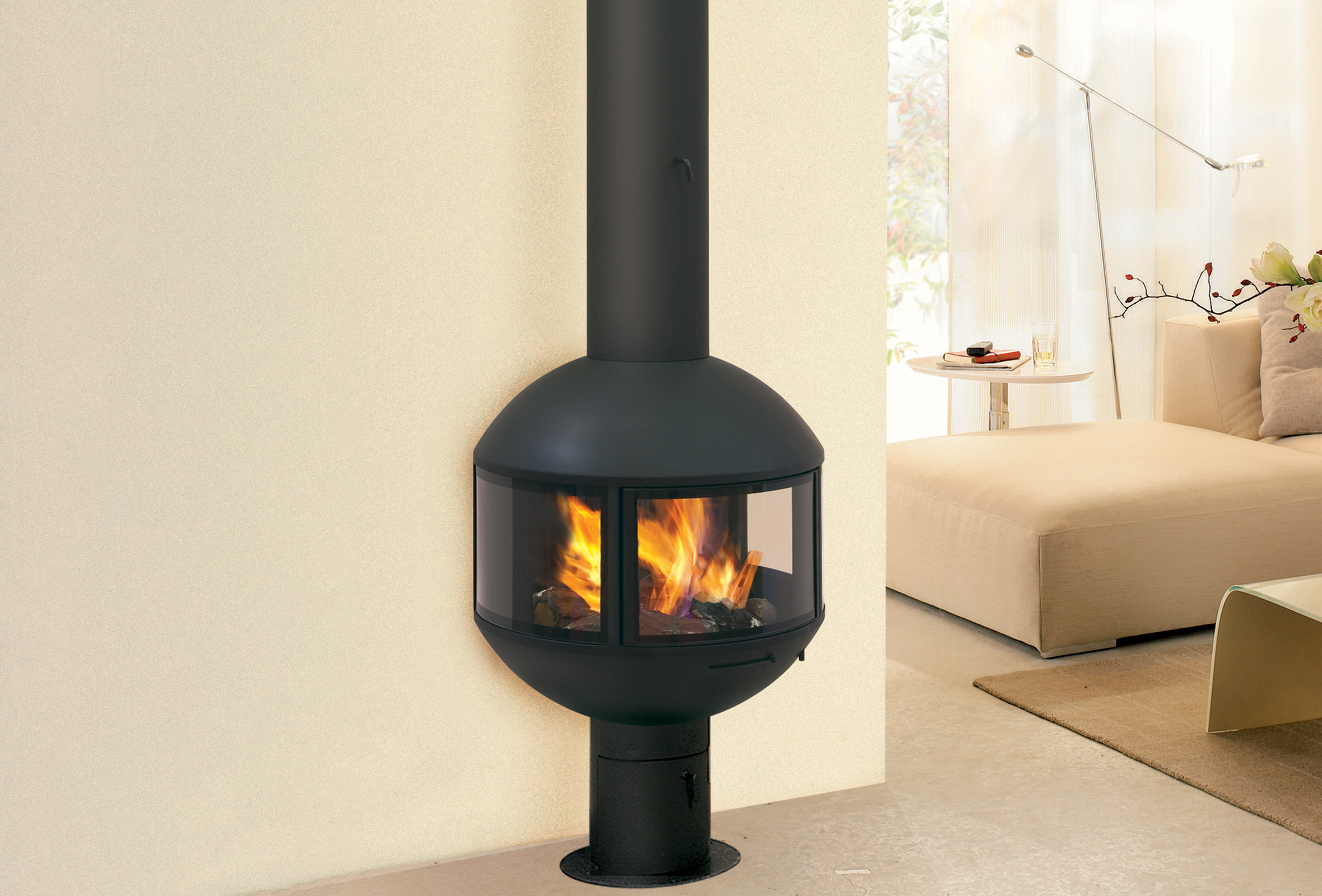 EDOFOCUS WOOD ON BASE Wall-mounted stove on a base
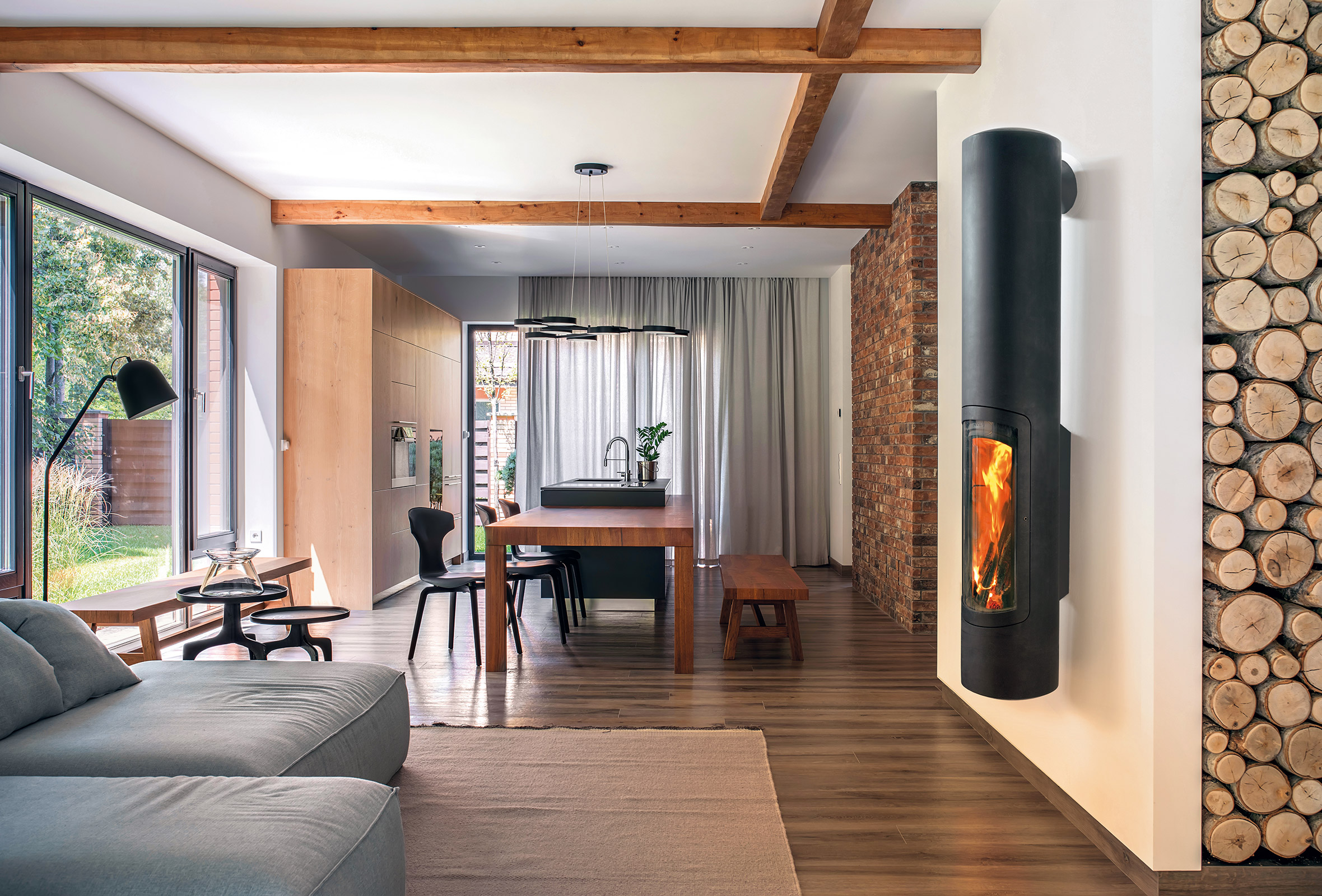 SLIMFOCUS WALL-MOUNTED Wall-mounted suspended stove
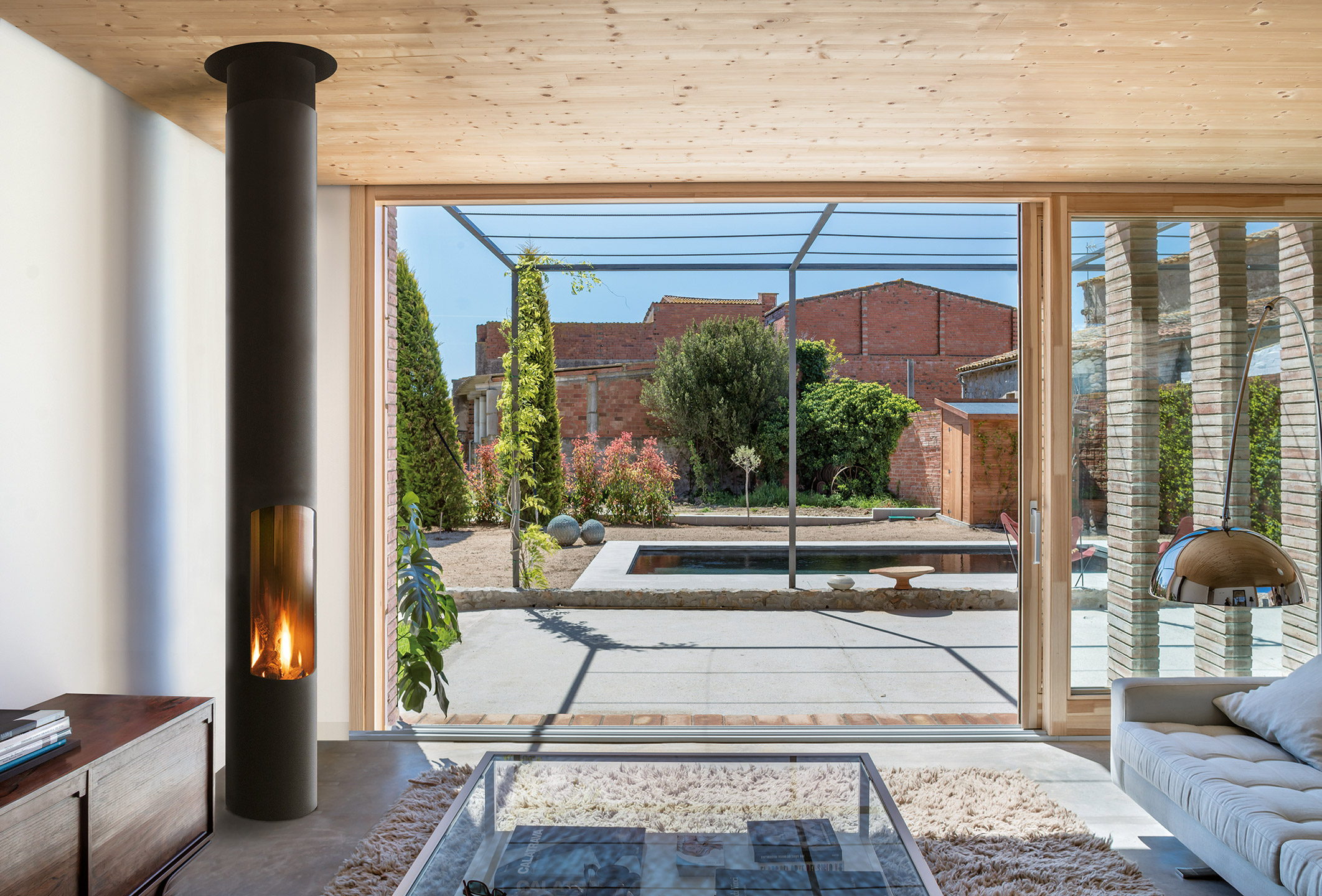 SLIMFOCUS WOOD ON BASE Central stove on a base
 SLIMFOCUS WOOD Central suspended stove pivoting or fixed stove
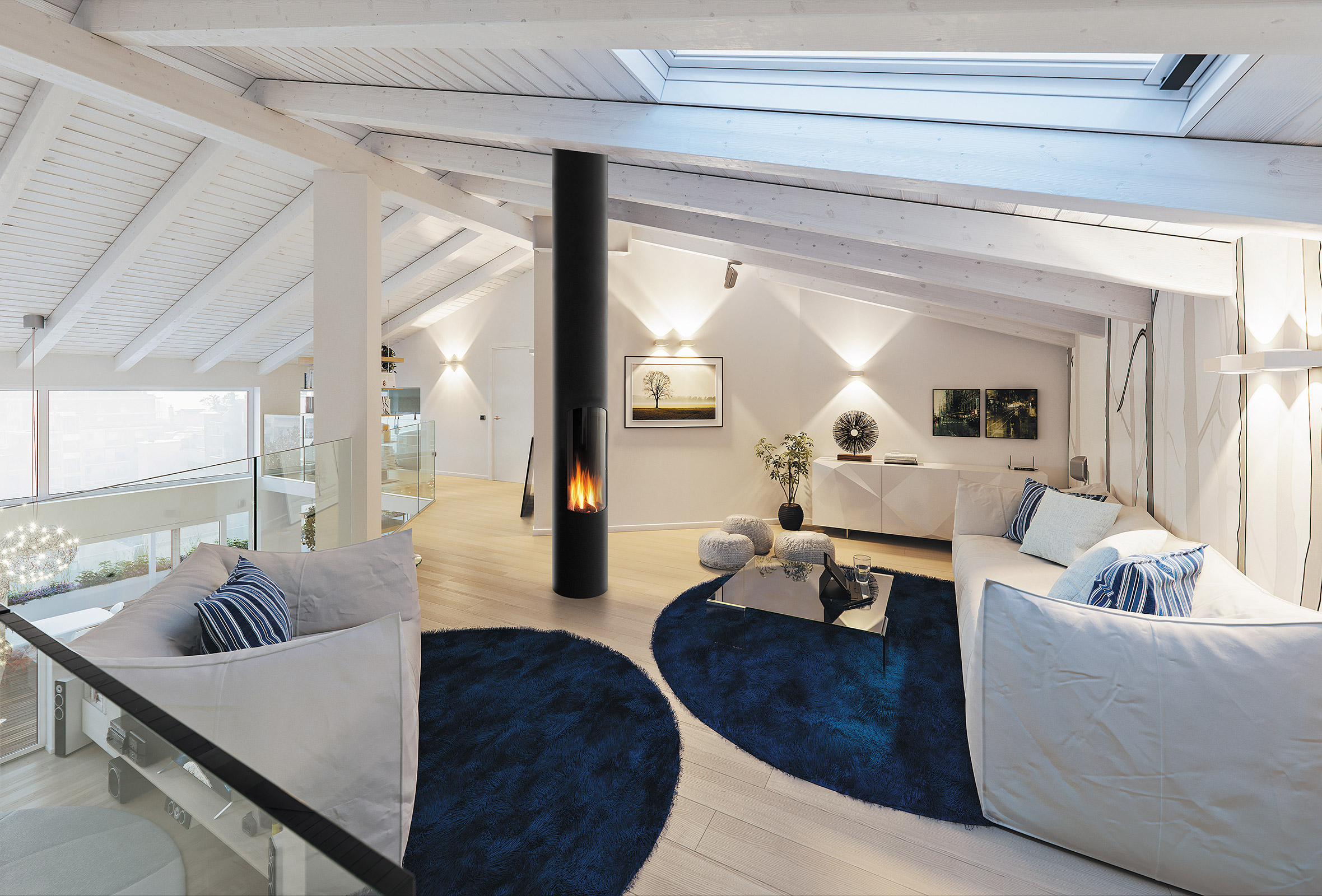 SLIMFOCUS GAS ON BASE Central stove on a base
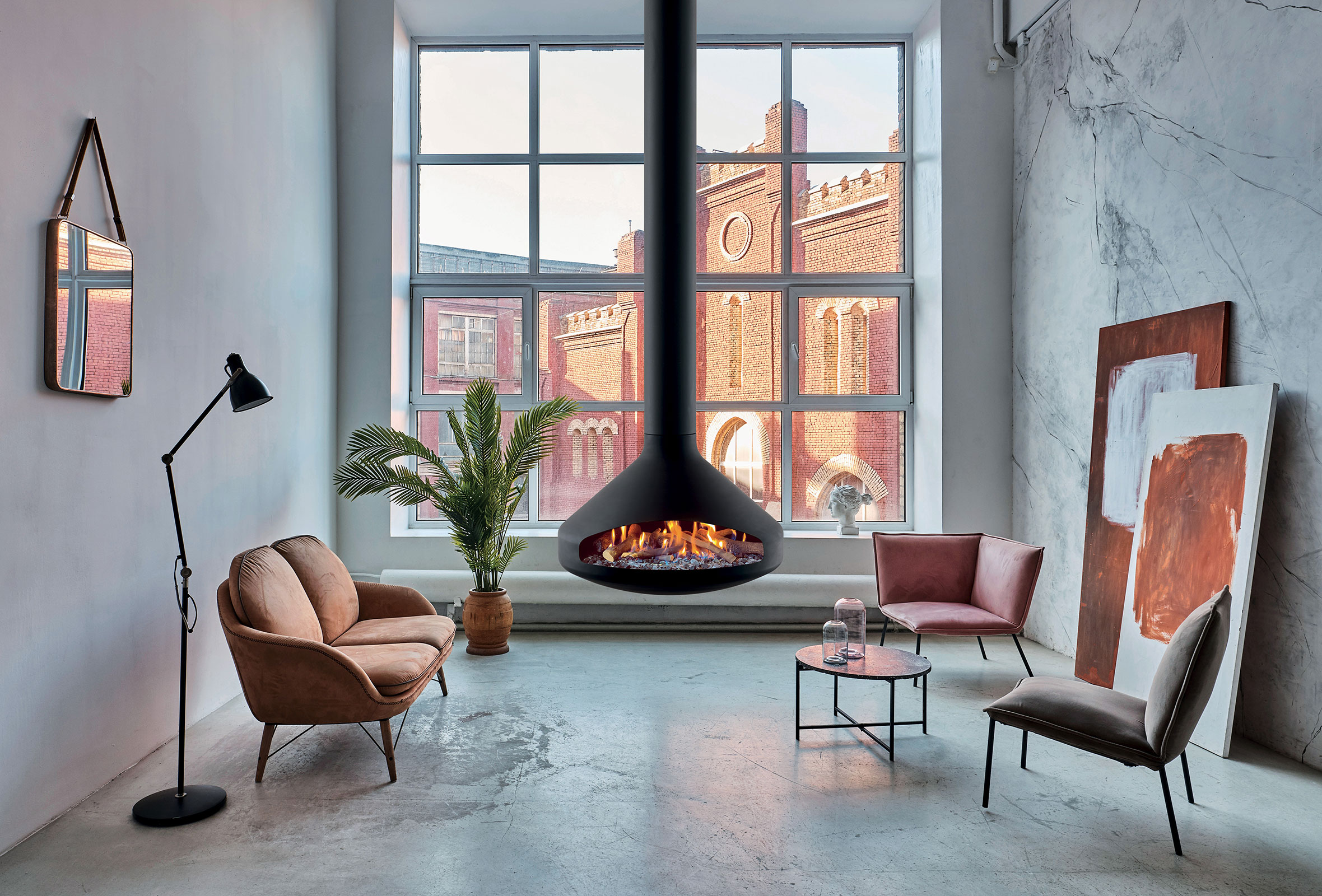 Ergofocus Gas Central suspended pivoting model
 MEIJIFOCUS GAS Central model on a base
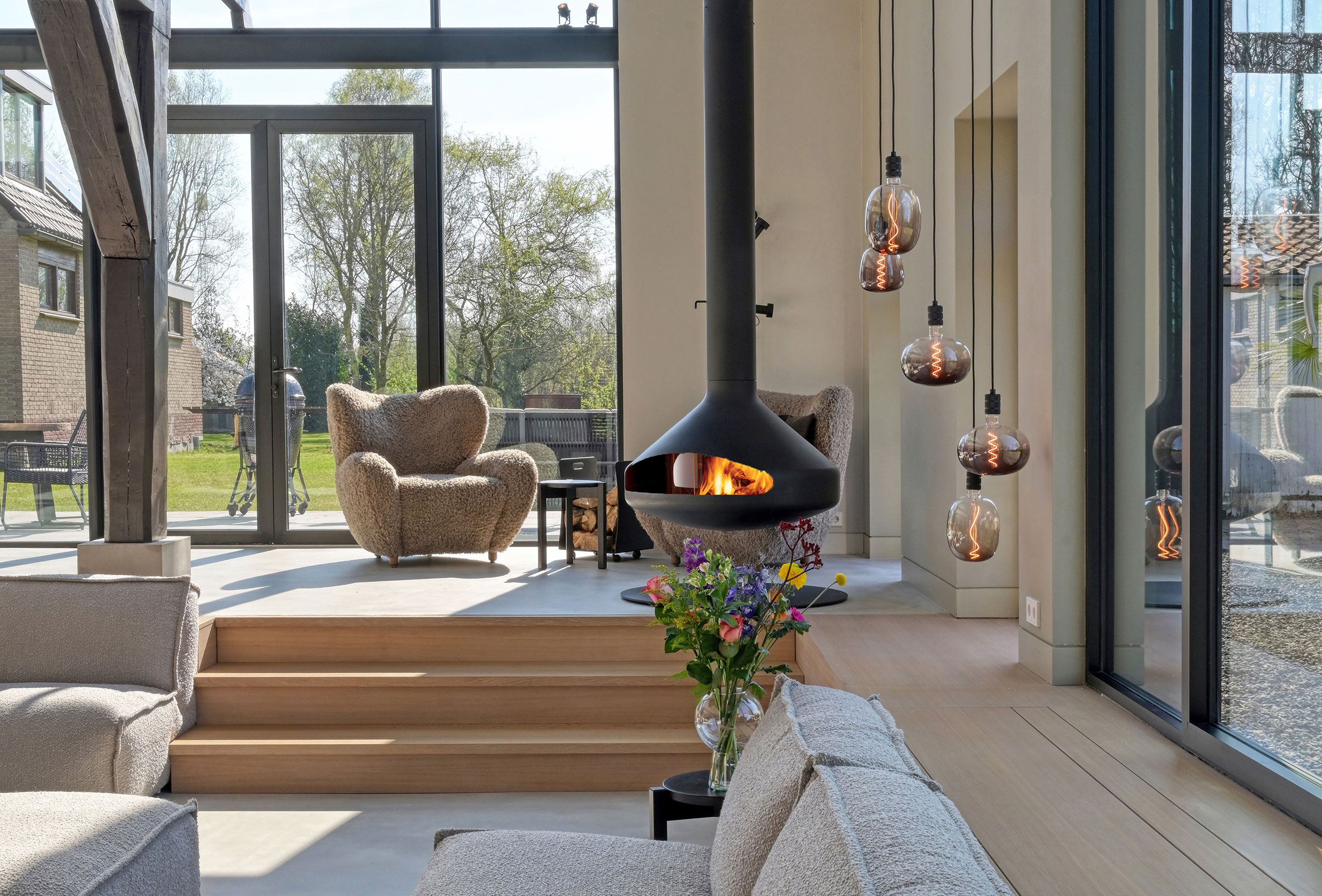 ERGOFOCUS WOOD GLAZED Central suspended pivoting stove

 ERGOFOCUS HOLOGRAPHIK® Central suspended pivoting model
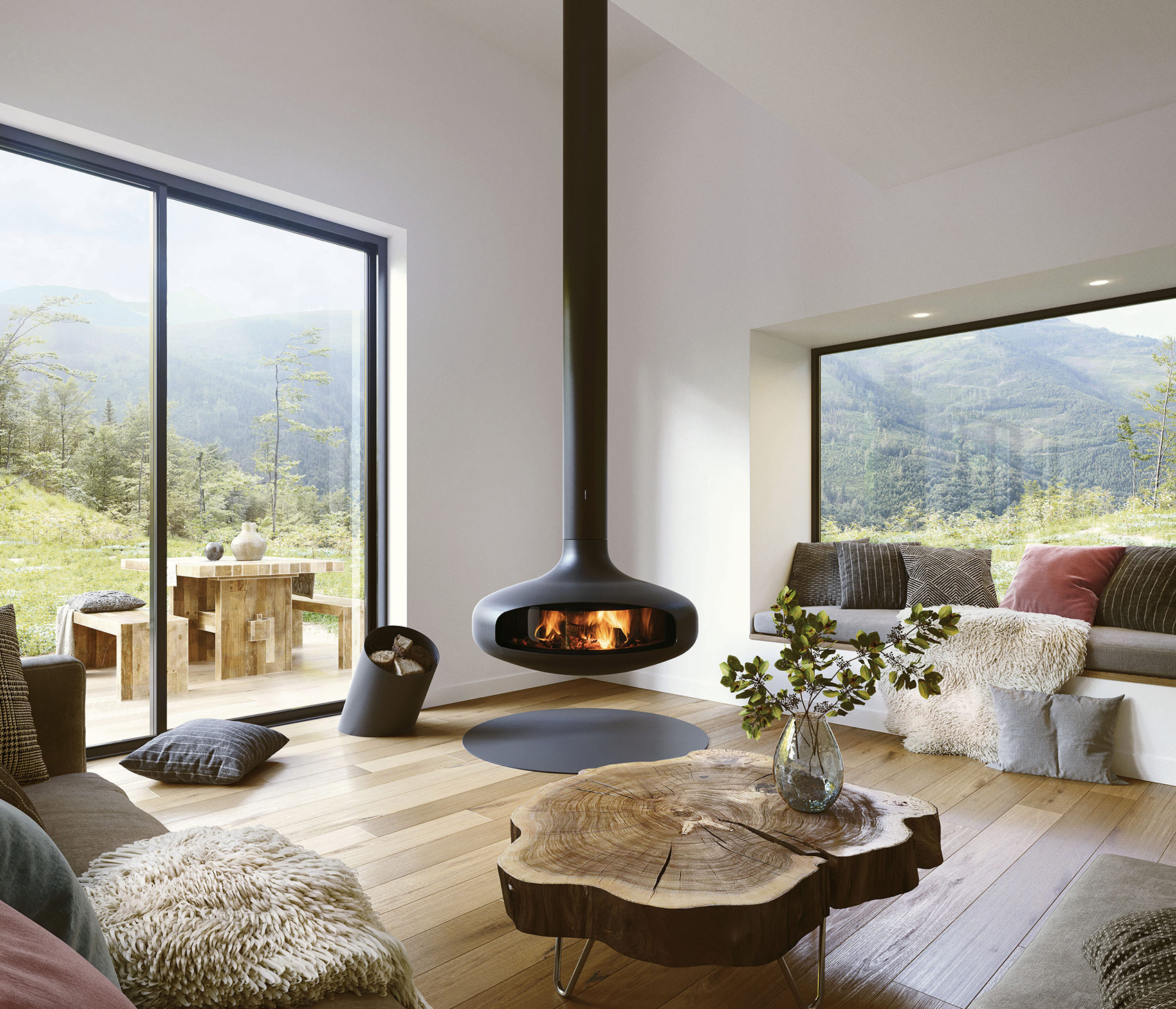 DOMOFOCUS WOOD GLAZED Central suspended pivoting stove
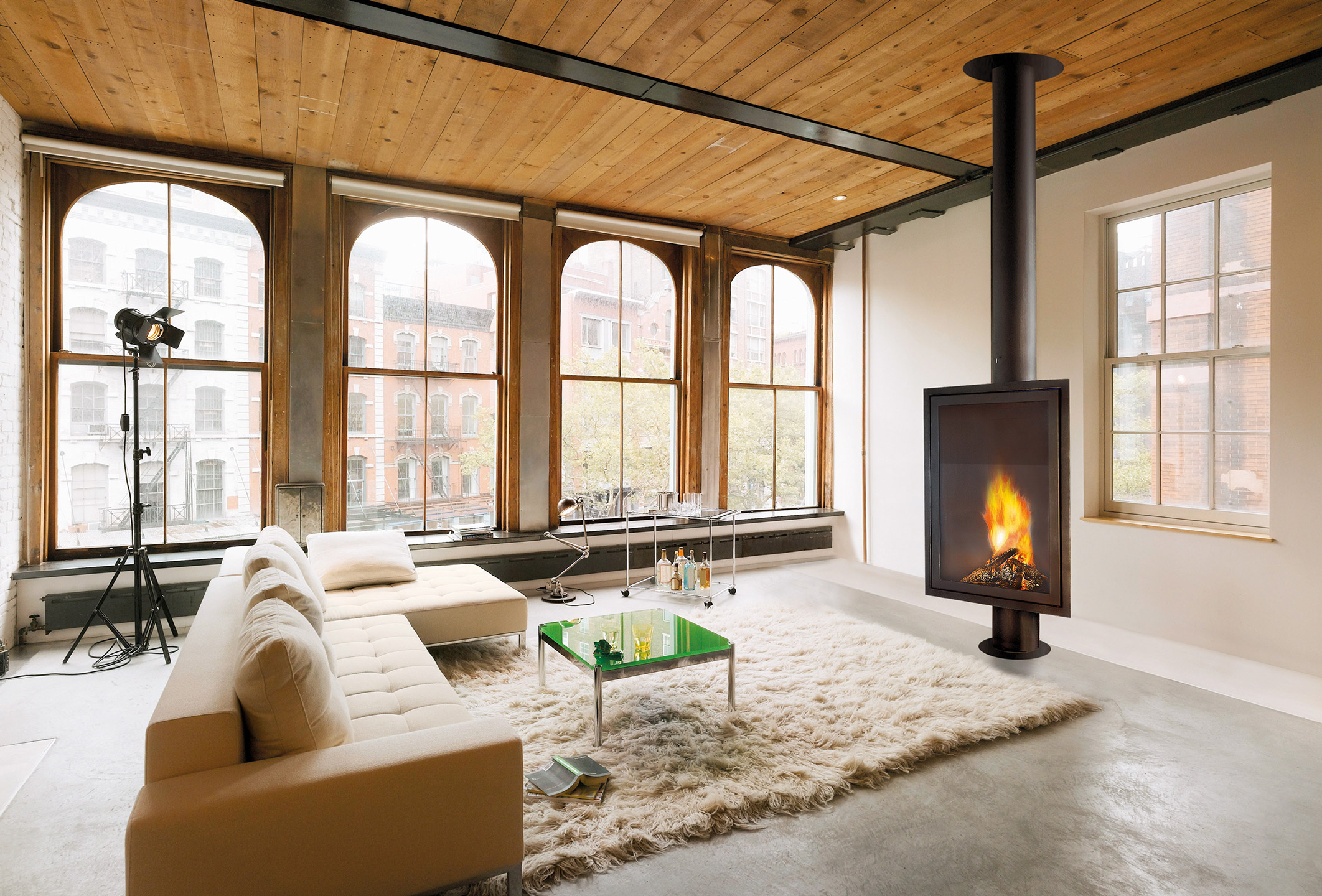 EUROFOCUS WOOD Central stove on a base
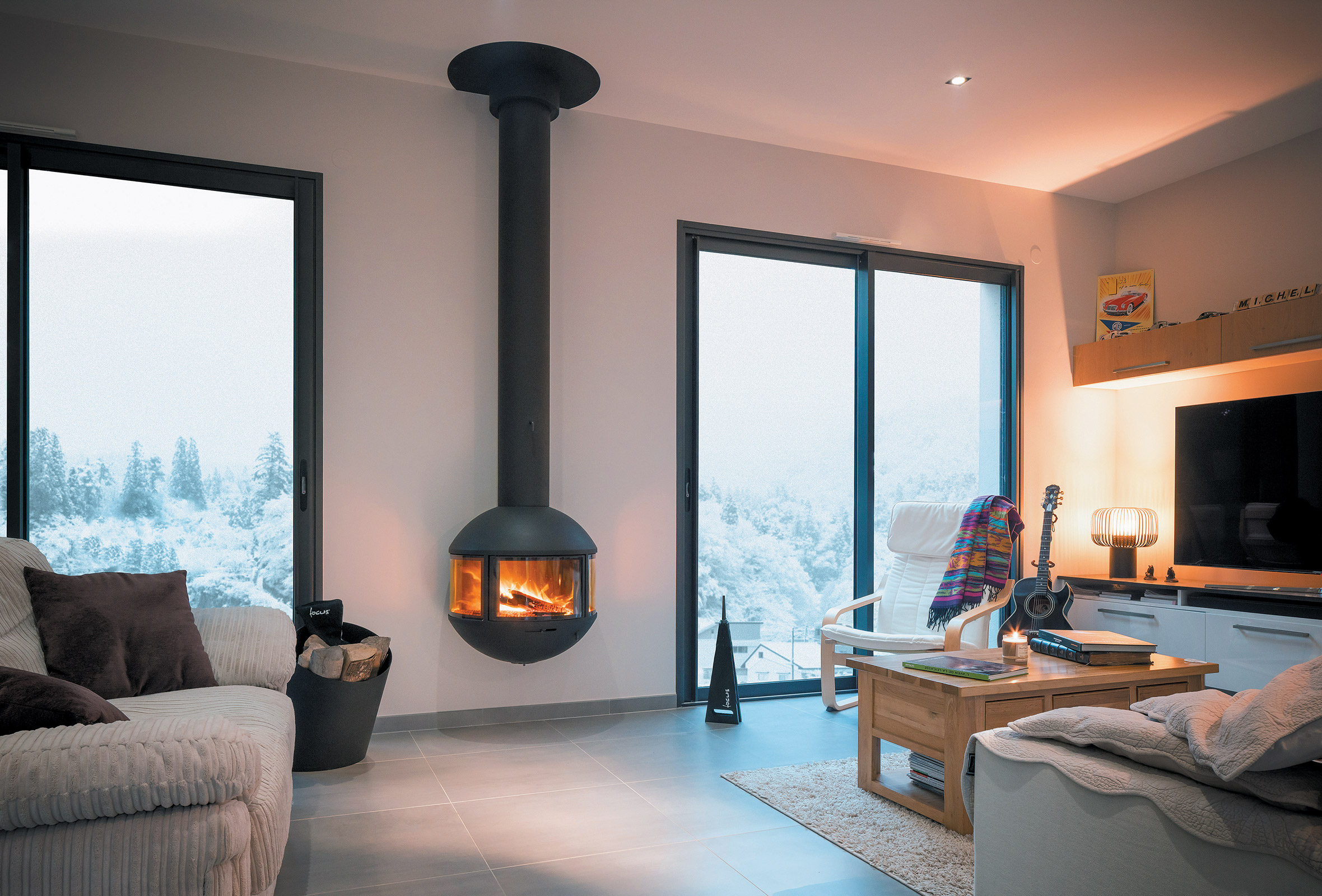 EDOFOCUS DV Wall-mounted suspended stove (Vertical Outlet)
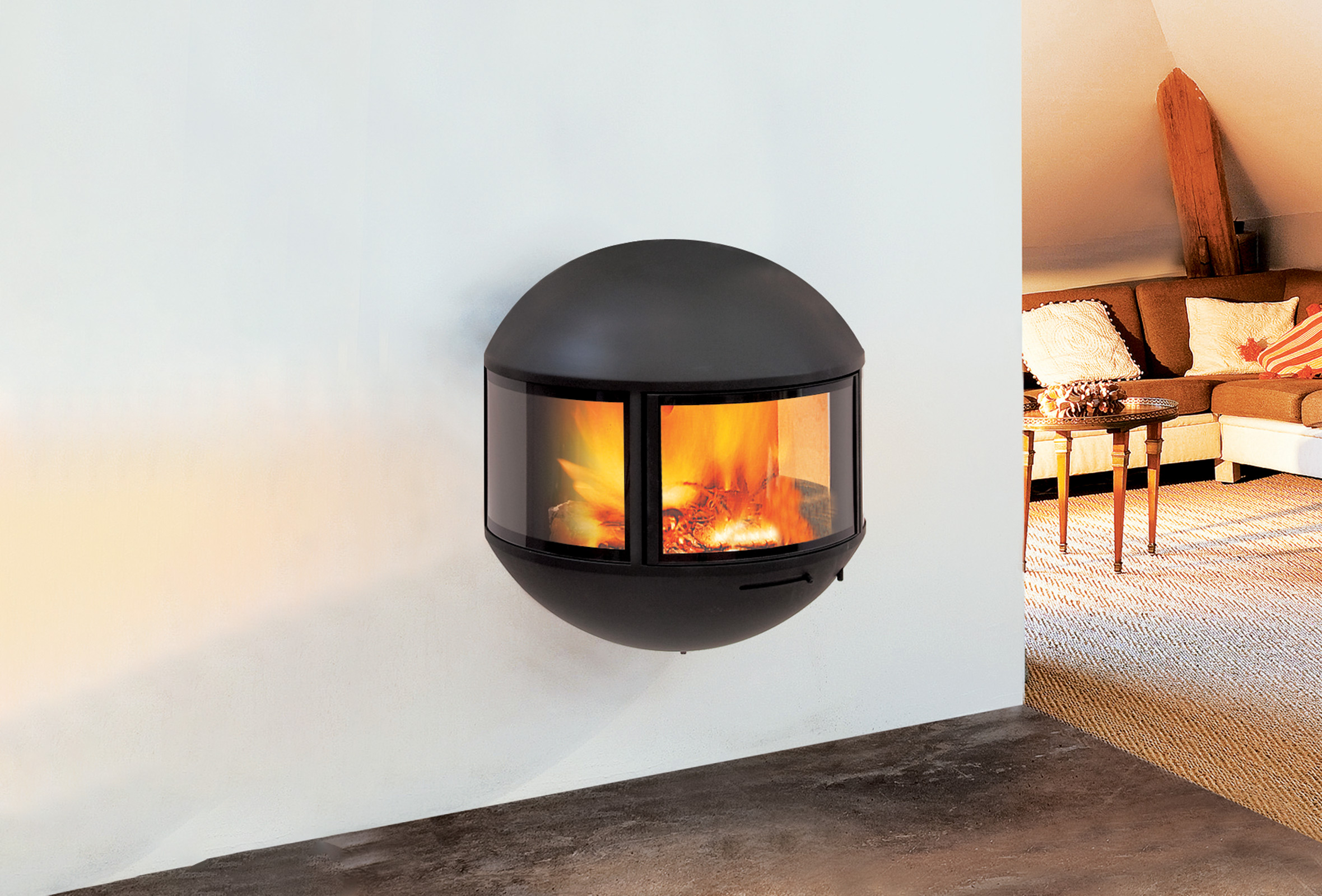 EDOFOCUS WOOD RO Wall-mounted stove (Rear Outlet)

 Gyrofocus bioethanol Central suspended pivoting model
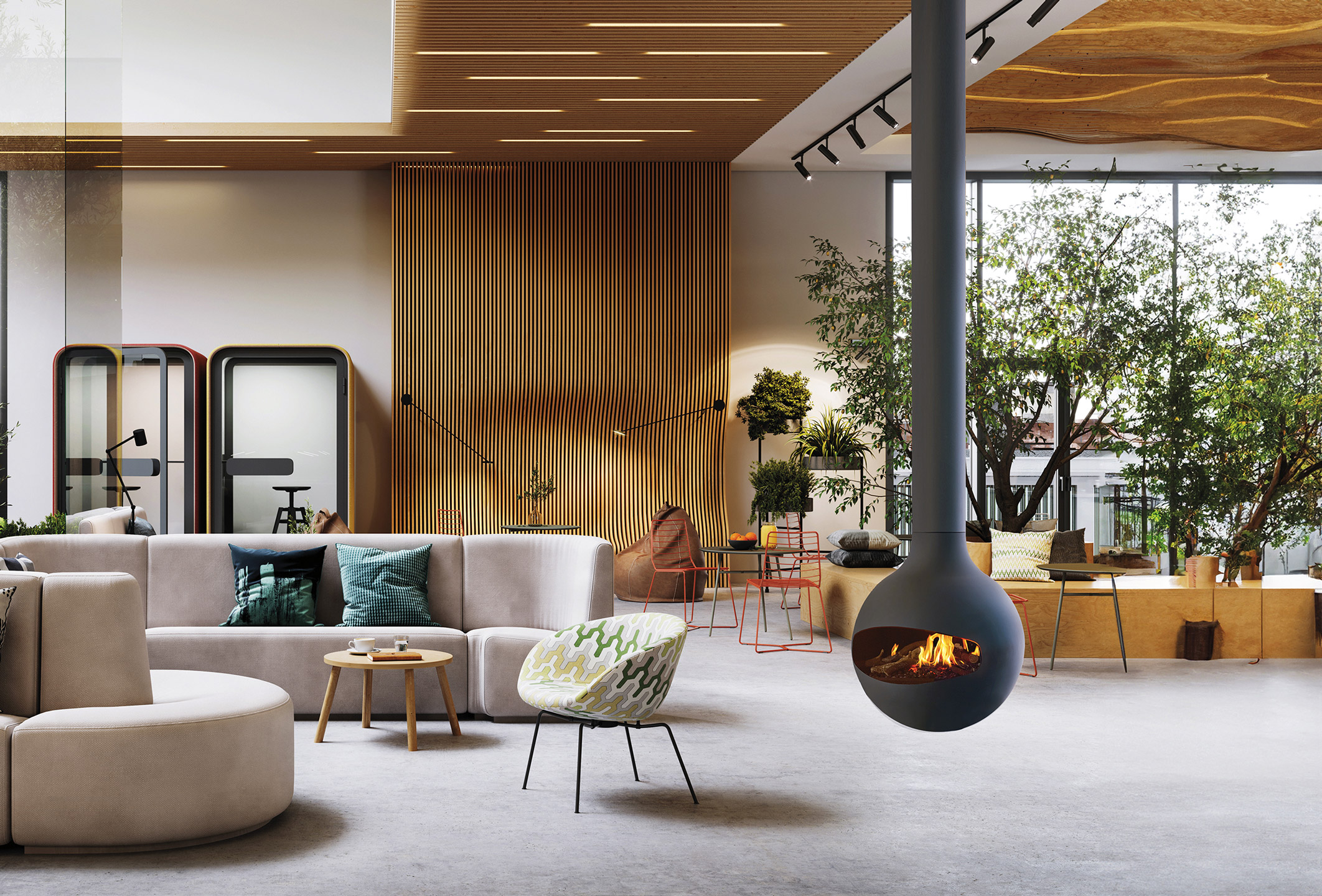 Bathyscafocus Holographik® Central suspended pivoting model
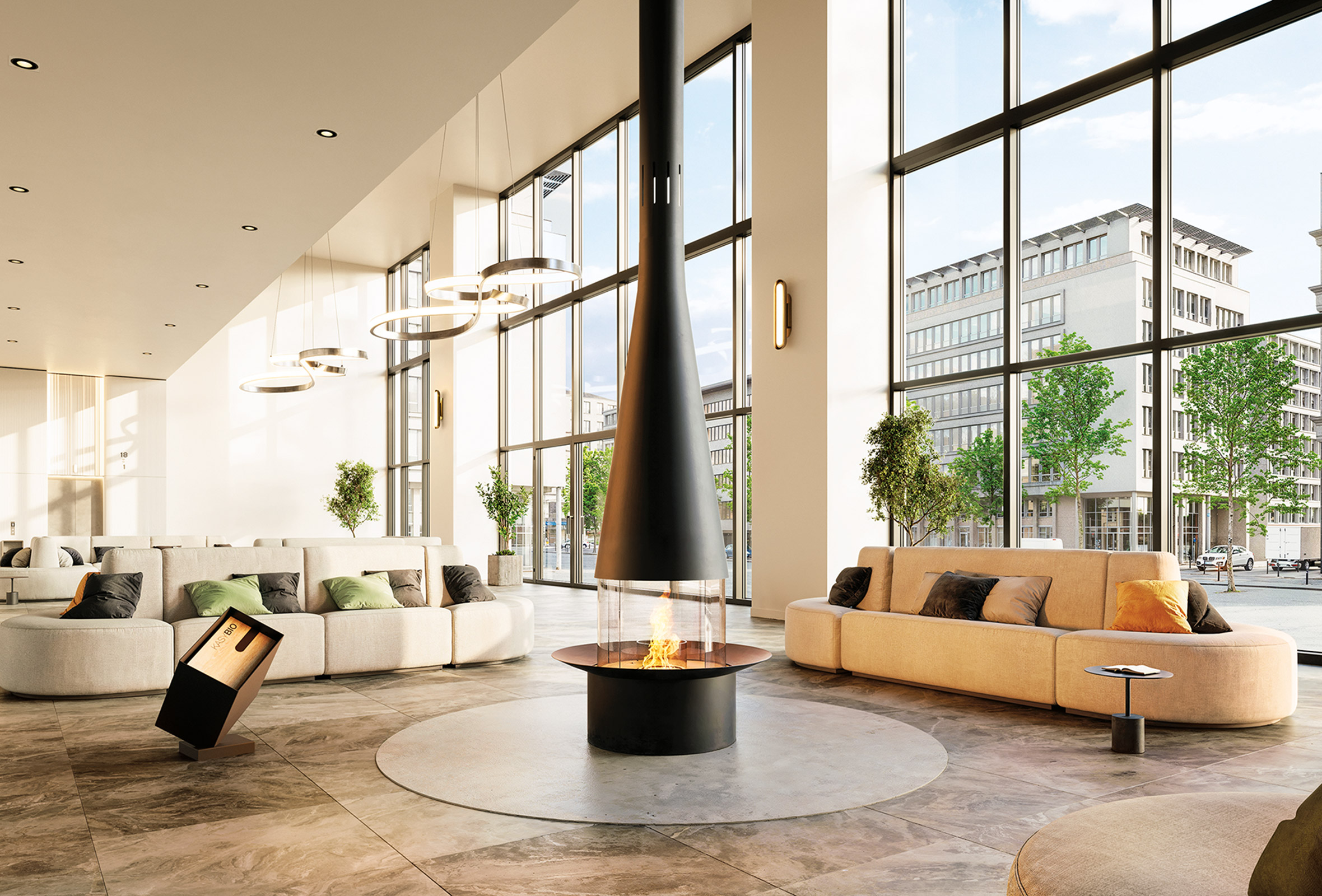 Filiofocus 1600 bioethanol Central model on a base
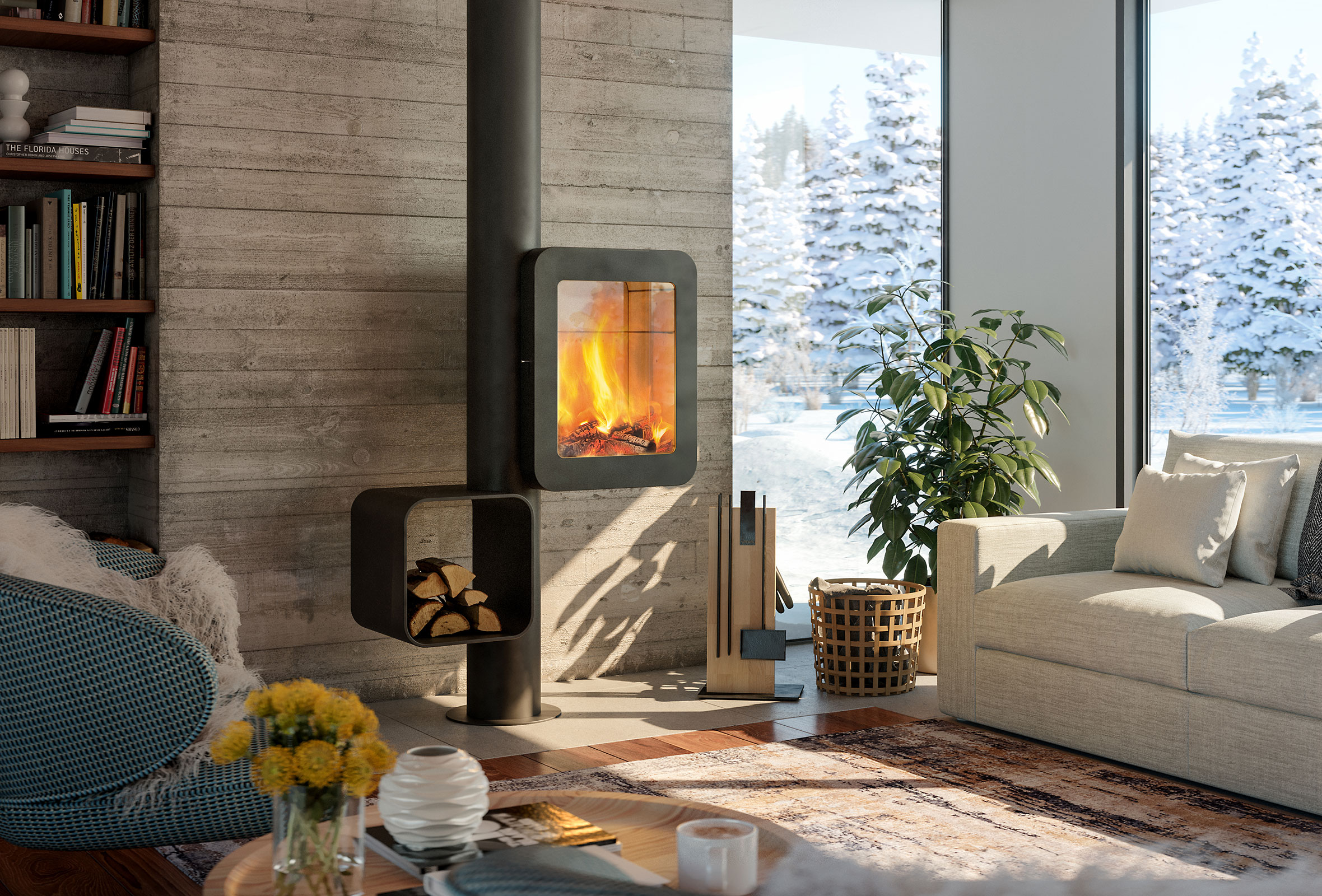 GRAPPUS WOOD Central stove on a base
 Ergofocus bioethanol Central suspended pivoting model
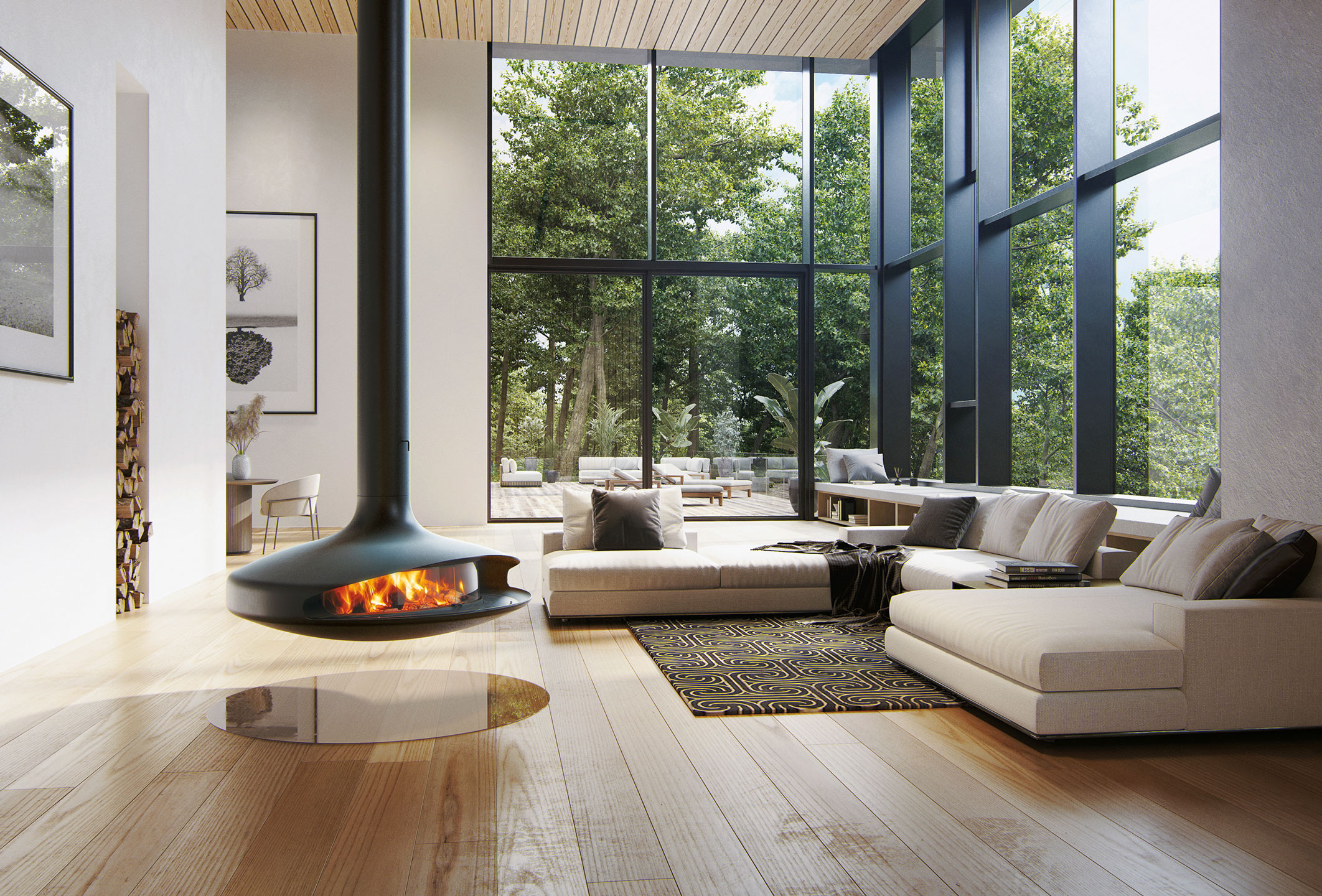 GYROFOCUS WOOD GLAZED Central suspended pivoting stove
 MAGMAFOCUS GAS Central model on a base
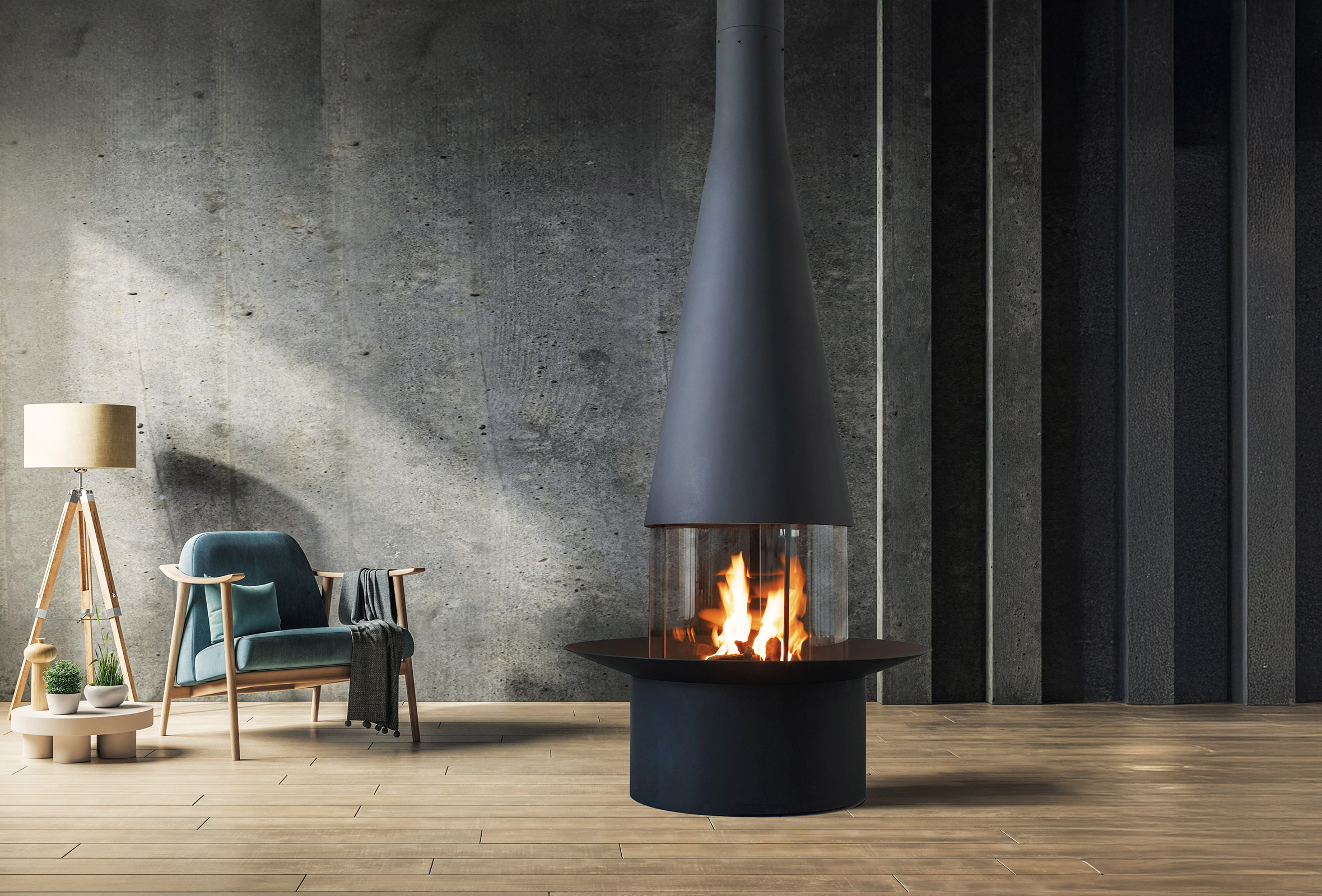 FILIOFOCUS 2000 gas Central model on a base
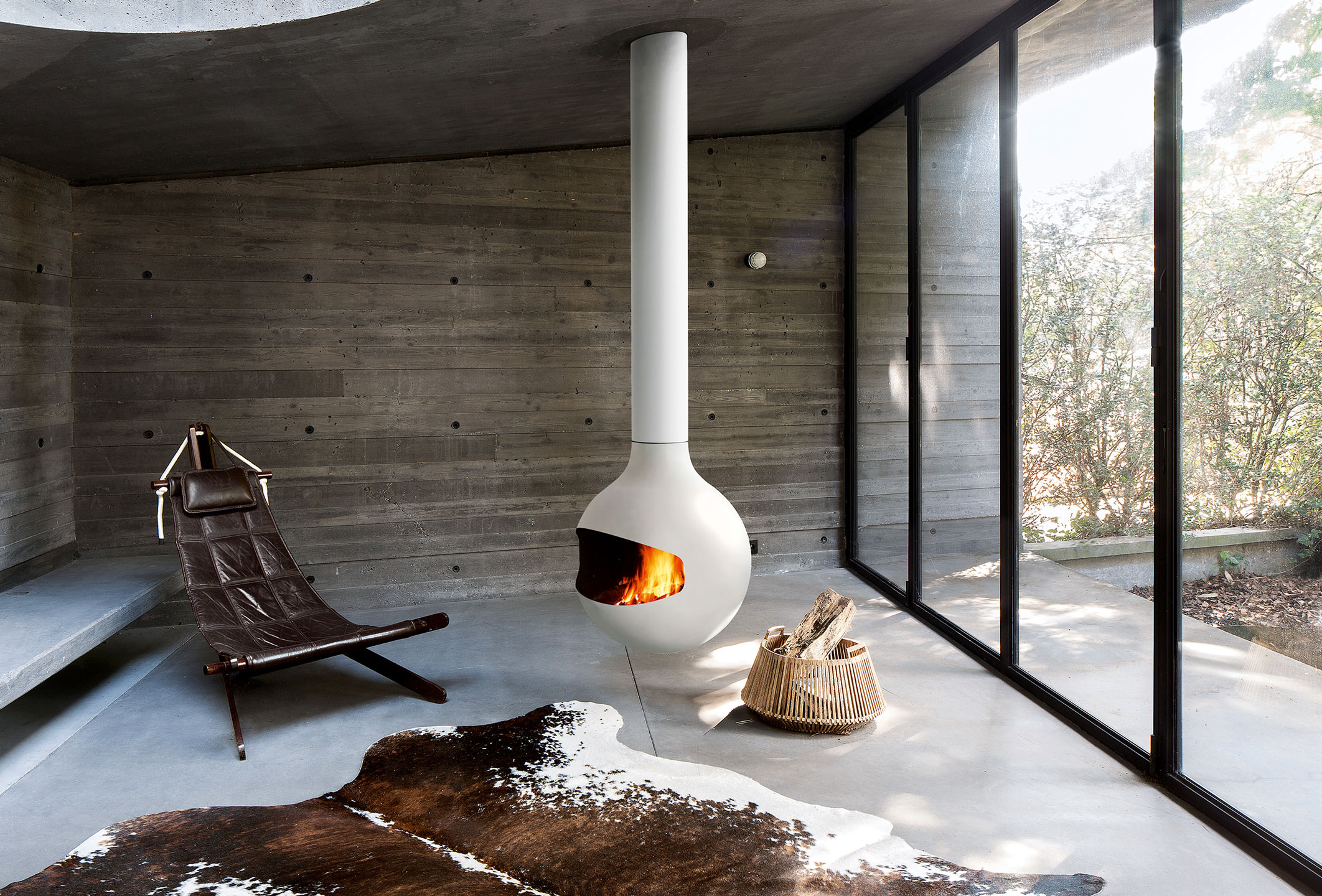 BATHYSCAFOCUS WOOD Central suspended pivoting model
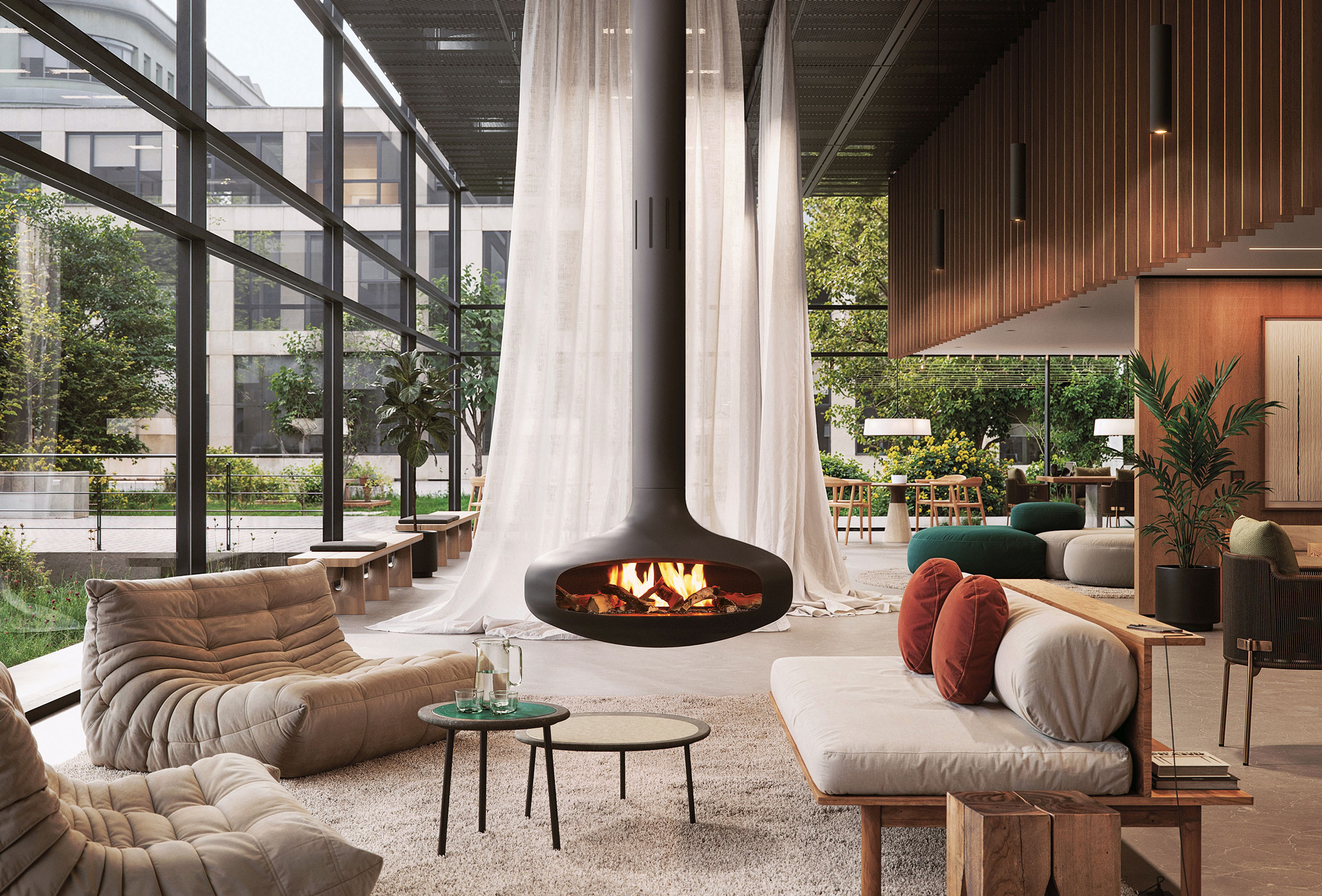 Domofocus bioethanol Central suspended pivoting model
 Gyrofocus Gaz Central suspended pivoting model
 AGORAFOCUS WOOD Central suspended stove
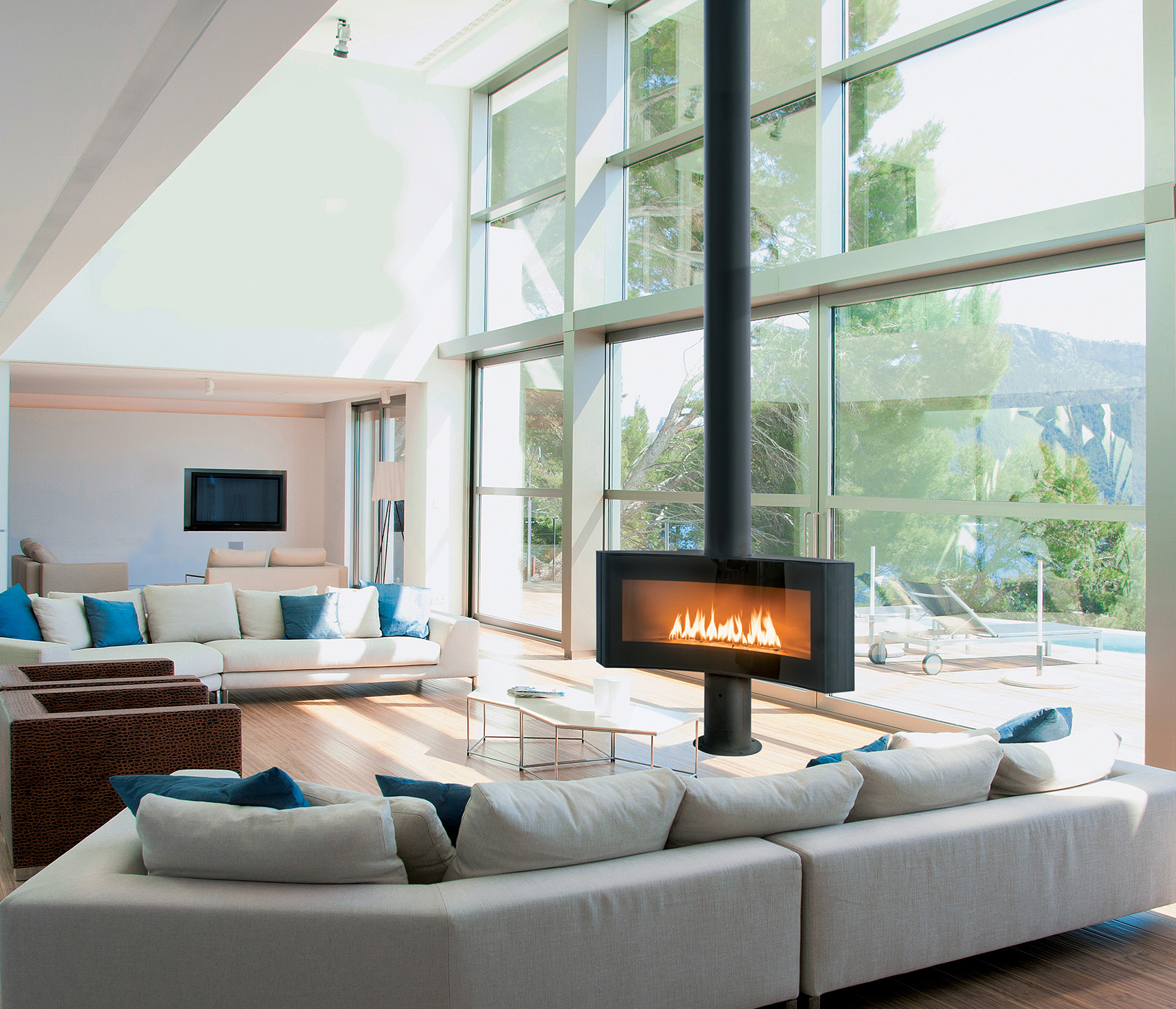 CURVIFOCUS GAS Central stove on a base
 Boafocus gas Central stove on a base
 EMIFOCUS WOOD PORTHOLE Wall-mounted stove (Rear Outlet)
A metal fireplace is defined by its intrinsic design : structure and cladding are one and the same. The form stays visible, unlike a hearth designed to be built into a surrounding cladding, whatever the material.
The creation of the first hearth in 1967 by Dominique Imbert – founder of Focus – illustrates this principle of exposed metal. To heat the ruin he was restoring, he assembled a few salvaged sheets of metal: the Antéfocus was born. Nothing dresses up this first fireplace; the metal forms both its structure and its decoration. Still in production today, it is distinguished by its visible welds and waxed finish.
A masonry fireplace follows a logic of construction: built on site and clad in brick, stone or concrete, it forms a single whole with the building, with the hearth built directly into the structure.
A metal fireplace follows a logic of design. Conceived and manufactured upstream, in a workshop, it is installed as a finished, self-contained object, independent of the building's structure. It is therefore not perceived as an architectural element built into a wall or floor, but as an item in its own right, on a par with a piece of furniture or a design object — chosen for itself as much as for its heating or comfort function.
A central metal fireplace stands at the heart of the space, independent of the walls. Two approaches to installation coexist: a floor-standing central fireplace , or a suspended fireplace attached to the ceiling structure.
This dual possibility comes from a property specific to metal: steel combines mechanical strength with relative lightness, allowing the same structure to stand alone on the floor or to hang from an anchor point in the ceiling. A large suspended fireplace requires a stronger load-bearing point than a compact model.
The choice between the two formats depends on the effect sought , the dimensions of the model chosen, and the building itself. In both cases, the flue remains connected to the ceiling, whether as the anchor point for a suspended model or simply as the connection point for a floor-standing one.
A wall-mounted fireplace offers a frontal view of the fire. Certain models, such as the Emifocus or the Edofocus, are shallower than their suspended central counterparts, so they sit flush against the wall with minimal footprint — an advantage when interior space is limited.
The wall-mounted format relies on the strength of the wall it rests against, which must be compatible with the heat given off by the hearth. Unlike the central format, it makes use of an existing wall rather than standing independently from it — a relevant solution where the walls already play a structural role in the room, and a central installation is not what's sought.
The choice of fuel determines the installation of a metal fireplace. Wood and gas, in a closed hearth, offer high energy and environmental performance, and require a flue. Bioethanol, with a real flame but no smoke, can do without a flue and opens up wider installation possibilities, including in configurations where a roof outlet is not feasible. Electric fireplaces, with Focus's Holographik® technology, involve no combustion at all: no real flame, no smoke — only an electrical connection is needed.
As with any installation, a metal fireplace with combustion must respect clearance distances from surrounding materials, which vary according to the fuel and the power of the hearth.
A project starts with a preliminary study. The Focus-authorized dealer assesses the space, advises on the format and fuel, takes measurements and prepares the plans. This step confirms feasibility before any manufacturing begins.